
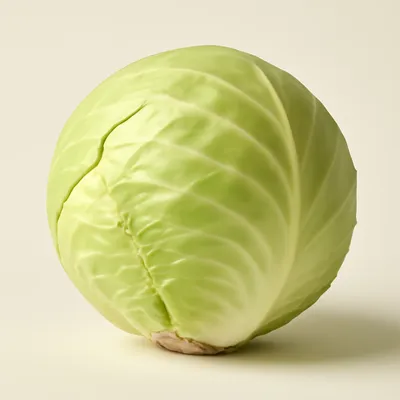
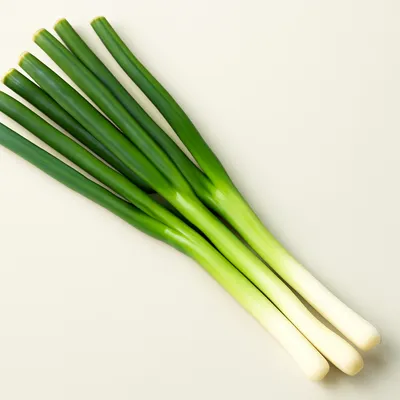
Hiroshima tsukemen is a cold dipping-noodle dish, eaten above all in summer and quite distinct from Tokyo's hot pork-and-fish tsukemen. Cold-rinsed noodles are plated with raw shredded cabbage, negi, boiled egg and slices of boiled pork or chashu, then dipped into a cold, thin sauce that is fiercely hot and sour: a soy base loaded with chili, chili oil, vinegar and sesame. Everything in the bowl is cold, including the sauce, and shops let diners choose how much chili goes in, from mild to punishing. It is a sharp, refreshing, sweat-inducing bowl built for Hiroshima's humid heat.




The style traces to Shinkaen, a Chinese restaurant that opened in 1954 in Hiroshima's Hatchobori district (it later moved to Kawaramachi). Shinkaen did not call the dish tsukemen but reimen ('cold noodles'), and served it only in summer. The format went city-wide after a cook who had trained at Shinkaen opened Reimenya in 1985 in Tokaichimachi, selling it year-round; that is when the name 'Hiroshima tsukemen' took hold. The bowl later drew national attention through television and celebrity mentions, and the cold, chili-and-sesame dipping sauce became Hiroshima's regional ramen signature.
Cold noodles with a clean, slippery snap, heaped beside crunchy raw cabbage and soft pork. The dipping sauce hits sour and salty first, then the chili builds and sits at the back of the throat, with sesame rounding the edges. Because nothing is hot, the heat reads sharp and clear rather than muddy. You finish flushed and reaching for water, then dip again.
Serving everything cold is the whole point, and it changes how the chili behaves. The noodles are boiled, then rinsed and chilled in ice water; the rinse stops the cooking and strips surface starch so the strands stay separate and springy and the thin sauce clings without turning gluey. Keeping the sauce cold suppresses its aroma volatiles but not its capsaicin, so the perceived heat reads sharper and longer than the same chili would in a hot broth — cold dulls sweetness and lets sour and pungent come forward. The vinegar's acidity and the raw cabbage's crunch and water further cut the burn between bites, which is why the bowl stays refreshing even as the chili level climbs.
Variations
Spice is dialed by number at most shops, from no chili up to extreme levels that come with a warning. Garnish varies — some pile on more raw cabbage and negi, others add wood-ear, boiled egg halves, or extra chashu. A few shops let you keep the dish closer to the original cold-only summer form, while others run it year-round. Leftover sauce is sometimes thinned with hot dashi or rice added at the end, though this is less codified than Tokyo's soup-wari.
On the Palate
Where Hiroshima Tsukemen sits in the Japanese flavor cloud
Ingredients
Serves 2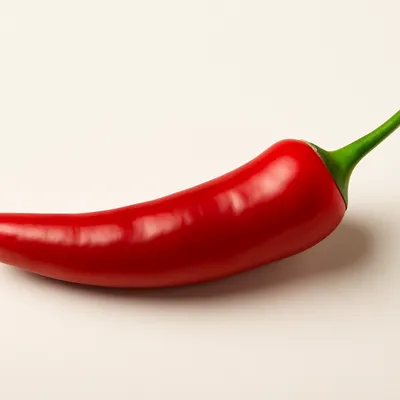

How it's made
6 steps · 30 min
- 110 min
Make the sauce base: combine soy sauce, rice vinegar, a little sugar and sesame, then chill thoroughly.
- 25 min
Stir in chili powder and chili oil to the desired heat, and keep the sauce cold.
Watch outKeep the sauce cold — chilling suppresses its aroma but not its capsaicin, so cold is exactly what makes the heat read sharper and longer.
- 340 min
Boil pork belly until tender, cool, and slice thin.
- 48 min
Shred raw cabbage and slice negi; halve a boiled egg.
- 58 min
Boil the noodles to a firm bite, then rinse and chill hard in ice water and drain well.
Watch outRinse and chill the boiled noodles hard in ice water — the cold shock strips surface starch so the strands stay separate and springy and the thin sauce clings.
- 64 min
Plate the cold noodles with cabbage, negi, pork and egg; serve the cold dipping sauce alongside.
Archive tool suggestions — not reviewed
These legacy suggestions have not been evidence-reviewed and are not presented as required tools.


