
Buckwheat soba topped with tororo — raw mountain yam (yamaimo or nagaimo) grated to a pale, sticky purée. The yam is slippery and mild, almost flavourless on its own, and is meant to coat the noodles so each strand slides. It is served either cold over chilled soba with a soy-dashi dipping sauce, or hot in a warm broth; a raw egg yolk, nori, scallion, grated wasabi and a dash of soy are common additions. The same topping over rice is mugitoro or tororo-gohan, and on soba it is also called yamakake soba.





Tororo — grated raw yamaimo or nagaimo (both East Asian yams of the Dioscorea family) — is a long-standing element of Japanese home cooking, eaten over rice (mugitoro) and over noodles. Its precise beginnings are unrecorded, but grated yam dishes are documented well back into the Edo period, and tororo-jiru appears in the period's travel and food writing, notably associated with the Tokaido road's Mariko (Mariko-juku) tea houses near present-day Shizuoka, a stop long known for tororo-jiru. Tororo soba is the noodle form of this tradition rather than a single invented dish. Because the topping suits the noodle either chilled or in hot broth, it appears year-round, though the digestive yam was particularly valued in summer.
The tororo is glossy and pale, clinging to the soba in a thick, slippery veil. The texture is the point: faintly sticky, almost creamy, so the noodles need barely any chewing and slide down in one pull. Cold, it is clean and refreshing; the raw yam itself tastes of almost nothing, letting the buckwheat's nuttiness and the soy-dashi come through, while wasabi and scallion sharpen the edges. A broken egg yolk makes it richer and silkier still.
Two properties define tororo. Its slipperiness comes from mucin, a glycoprotein-rich mucilage — the same family of slimy 'neba-neba' substances found in okra and natto — released when the cell walls are broken by grating. Its digestibility comes from the yam's amylase (also called diastase), an enzyme that breaks starch down; this is why tororo is eaten raw, since amylase is denatured by heat above roughly 75°C and lost in cooking. Practically: grate against the fine teeth of a suribachi or oroshigane for the smoothest purée, and when serving hot, ladle the broth over the yam at the table rather than boiling it, so the enzyme and the texture survive.
Variations
Yamakake soba is the same dish under another name; over rice it is mugitoro or tororo-gohan. The yam varies — softer, water-rich nagaimo grates loose and runny, while denser yamatoimo or wild jinenjo grate stiff and intensely sticky. Toppings range from a plain pour of yam to the full set of egg yolk, nori, scallion and wasabi. Tororo also tops cold udon and rice bowls, and the grated yam binds okonomiyaki batter.
On the Palate
Where Tororo Soba sits in the Japanese flavor cloud
Ingredients
Serves 1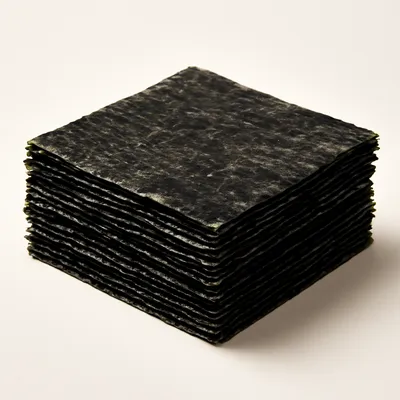

How it's made
7 steps · 15 min
- 15 min
Peel the mountain yam and grate it finely into a smooth, sticky purée using a suribachi or fine grater (rinse hands if the skin or sap irritates).
Watch outGrate the yam raw against fine teeth into a smooth purée and keep it raw — heat above about 75 degrees kills the amylase that makes it digestible.
- 23 min
Make the dipping sauce or broth: combine dashi with soy sauce and mirin; chill it for cold soba, or warm it for hot.
- 36 min
Boil the soba in plenty of water until just tender, then drain.
Watch outBoil the soba just until tender, then for cold soba tighten it in ice water — overcooked or unshocked, the noodles go soft and gummy.
- 43 min
For cold soba, rinse the noodles under cold water and tighten in ice water, then drain well; for hot, warm them and place in a bowl of broth.
- 51 min
Plate the soba and spoon the tororo over the top.
- 62 min
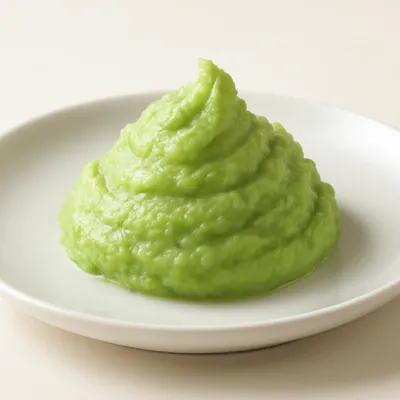
Add the garnishes — a raw egg yolk, shredded nori, sliced scallion and a touch of wasabi — and pour over (or serve alongside) the soy-dashi.
- 71 min
Mix the yam through the noodles at the table just before eating.
Archive tool suggestions — not reviewed
These legacy suggestions have not been evidence-reviewed and are not presented as required tools.


