
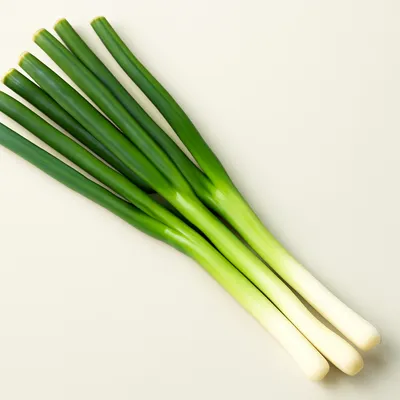
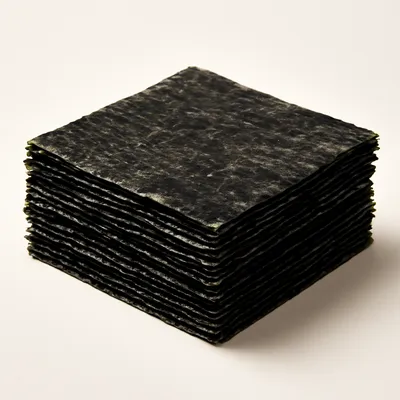
Maguro no yamakake is a small dish in which cubes of raw tuna are draped with tororo, the slippery, foamy puree of grated mountain yam, and finished with a little soy sauce, wasabi and often a raw quail-egg yolk, chopped negi or nori. 'Yamakake' means 'mountain-yam poured over'. It is a classic izakaya starter and a home appetizer—light, cool and savory—eaten by mixing the yam and fish together so the tororo coats each piece. Where plain tuna sashimi stands on the cut of the fish alone, the yam here adds a slick, mild backdrop and a faint nutty sweetness.
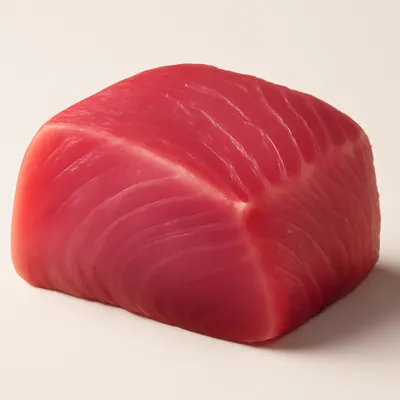



The dish belongs to the broad family of tororo cookery, in which grated mountain yam (nagaimo or the stickier yamatoimo and jinenjo) is used as a slippery topping or sauce; pairing it with raw tuna is a long-standing izakaya and home combination rather than the invention of a single shop. Tuna became a widely eaten and prized fish in Edo and especially after refrigeration spread in the Meiji era, and inexpensive lean cuts (akami) suit this dish well. The exact origin is not documented; it is best understood as a regional everyday pairing that became a standard small plate.
The tuna is cold, soft and faintly iron-rich; the grated yam is cool, slippery and lightly foamy, clinging to the fish with a mild, clean, faintly sweet flavour that lets the tuna lead. A dab of wasabi and a thread of soy give a savory edge, the quail yolk adds richness when broken in, and negi or nori contribute a fresh, toasted note. Eaten well-mixed, it is light and smooth; the yam should be freshly grated and barely seasoned—if it sits too long it loosens and weeps, and over-soying turns the dish flat and salty.
Grated mountain yam owes its texture to a high content of mucilage—soluble polysaccharides and a small amount of protein—that traps air when the yam is grated, giving tororo its slippery, faintly foaming body without any cooking. Yam is one of the few tubers that can be eaten raw because it contains amylase, an enzyme that breaks down some of its own starch, which is part of why it tastes mildly sweet and digests easily. The cold, neutral yam acts as a sauce that coats the tuna and carries the soy and wasabi, while the fish supplies the savory glutamate and inosinate. Grating against a fine surface (ideally a ceramic or metal oroshigane, or a suribachi for a finer puree) maximises the slipperiness.
Variations
Lean akami tuna is usual, but other red-fleshed fish or even maguro offcuts work. Common additions are a raw quail or hen egg yolk, chopped negi, shredded nori, wasabi, and a dash of dashi or mentsuyu to loosen the yam. The same tororo is poured over rice (yamakake-gohan or tororo-gohan), over soba (tororo-soba) and over grilled or simmered fish; with okra grated in it becomes a thicker, greener version, and natto is sometimes added for a sticky, fermented twist.
On the Palate
Where Maguro no Yamakake sits in the Japanese flavor cloud
Ingredients
Serves 2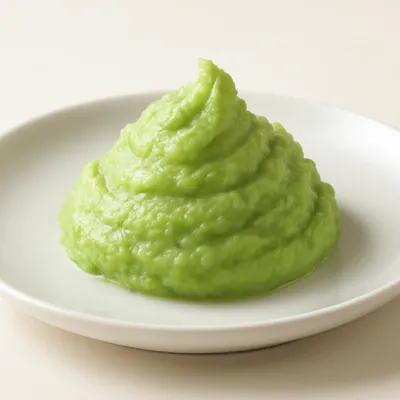
How it's made
5 steps · 15 min
- 16 min
Peel a length of mountain yam and grate it finely into a smooth, slippery puree; loosen with a little dashi or soy if needed.
Watch outGrate the yam fine into a slippery, faintly foaming purée — that air-trapped mucilage is the whole texture; a coarse grate leaves it watery and thin.
- 24 min
Cut very fresh lean tuna into 2 cm cubes.
- 32 min
Mound the tuna in a bowl and pour the grated yam over it.
- 42 min
Top with a raw quail-egg yolk, chopped negi and shredded nori, and add a dab of wasabi.
- 51 min
Drizzle with soy sauce and serve at once, to be mixed before eating.
Archive tool suggestions — not reviewed
These legacy suggestions have not been evidence-reviewed and are not presented as required tools.


