
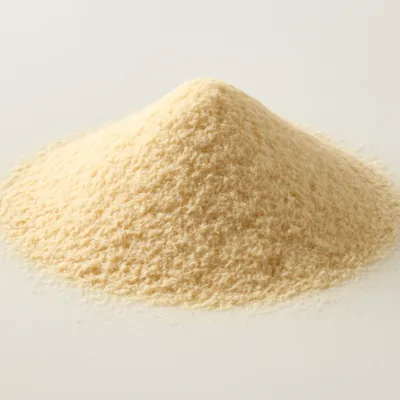
A bowl of hot udon (or soba) in a soy-and-dashi broth, topped with tenkasu — the crisp leftover bits of tempura batter, also called agedama — along with chopped scallion and often a sheet of nori. The crumbs soften as they sit in the broth, lending it a faint fried richness. It is one of the simplest and cheapest standards of the Kanto noodle shop, frequently set against kitsune udon (topped with sweet-simmered fried tofu). One naming caveat matters: the word 'tanuki' shifts by region. In Tokyo and the rest of Kanto it names this tenkasu-topped bowl, but in Osaka 'tanuki' means soba topped with fried tofu, and the tenkasu-topped bowl there is simply called tenkasu udon.




Tanuki udon and tanuki soba belong to the everyday repertoire of Kanto noodle shops, where 'tanuki' designates noodles topped with tenkasu (agedama). The name's literal sense — the tanuki is the Japanese raccoon dog — has no settled explanation; a commonly repeated folk theory holds it derives from 'tane-nuki' (たね抜き, 'without the filling/topping'), since tenkasu is batter with no tempura inside, but this is unverified and best treated as a guess. The more documented and striking fact is regional: the same word names different dishes in Kanto and Kansai. In Tokyo, tanuki = tenkasu-topped, kitsune = fried-tofu-topped. In Osaka, 'kitsune' refers only to fried-tofu udon, 'tanuki' to fried-tofu soba, and a bowl topped with batter crumbs is just 'tenkasu udon' — there, tenkasu often sits free on the counter for diners to add. Kyoto adds yet another reading, where 'tanuki' is a thickened ankake bowl of shredded fried tofu.
Steam off a brown, soy-savory broth. The first mouthful of udon is thick, soft, and slippery; the tenkasu floating on top start crisp at the edges and turn to soft, oil-rich nubs as they drink in the broth, so the bowl shifts from crunchy to mellow as you eat. Scallion cuts the richness; a shake of shichimi adds heat. Eaten too slowly the crumbs go fully sodden — best slurped while some still hold a little crunch.
The broth is a kakejiru — dashi (kombu and katsuobushi) seasoned with soy sauce and mirin — and its depth rests on umami synergy: the glutamate from kombu and the inosinate from dried bonito reinforce each other far beyond either alone. Tenkasu is the byproduct of tempura: loose wheat-batter droplets fried until crisp, so they are essentially fried flour holding pockets of oil. Dropped onto hot broth they do two things — release that oil to enrich and gloss the surface, and progressively absorb liquid and collapse, which is why the topping is deliberately added at the end and the bowl eaten promptly rather than left to stand.
Variations
Tanuki soba swaps udon for buckwheat noodles. Tsukimi tanuki adds a raw egg ('moon-viewing'); a sheet of nori is common. Kitsune udon is the close sibling, topped with abura-age simmered sweet rather than tenkasu, and many shops offer a 'tanu-kitsu' bowl with both. Regionally the word itself is the variation: Osaka's tanuki is fried-tofu soba; Kyoto's tanuki is a kuzu-thickened ankake bowl of shredded fried tofu with Kujo scallion.
On the Palate
Where Tanuki Udon sits in the Japanese flavor cloud
Ingredients
Serves 1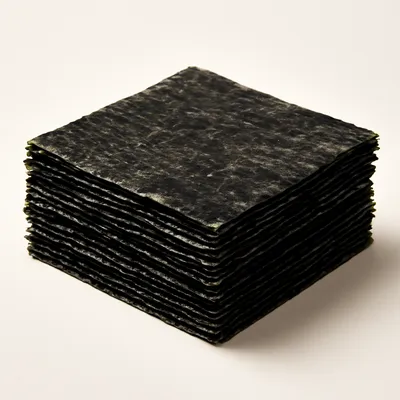

How it's made
7 steps · 15 min
- 18 min
Bring a large pot of water to a rolling boil and cook the udon according to package time, then drain and rinse briefly.
- 26 min
Meanwhile, heat the dashi in a saucepan and season with soy sauce and mirin to make the kakejiru broth.
Watch outSeason the dashi with soy and mirin to a balanced kakejiru — the kombu-glutamate and bonito-inosinate together give a depth neither has alone.
- 32 min
Slice the scallion thinly; have the tenkasu and nori ready.
- 42 min
Warm the cooked udon (a quick dip in hot water or in the broth) and place in a deep bowl.
- 51 min
Pour the hot broth over the noodles.
- 61 min
Scatter the tenkasu generously over the top, add scallion and a sheet of nori.
Watch outScatter the tenkasu on at the very end and eat promptly — the crisp crumbs release their oil to gloss the broth, then go soft fast.
- 71 min
Serve immediately, with shichimi togarashi on the side, before the crumbs go soft.
Archive tool suggestions — not reviewed
These legacy suggestions have not been evidence-reviewed and are not presented as required tools.


