Tsukimi soba is hot soba in dashi-soy-mirin broth with a whole raw egg cracked over the top, the intact yolk standing in for the moon. The name means 'moon-viewing.' It is essentially a kake soba dressed with an egg, often finished with chopped scallion and a sheet or shreds of nori, and sometimes the egg white set against dark nori is read as clouds across the moon. The egg is added raw onto the hot noodles and broth, which gently set the white while the yolk stays soft.




The dish takes its name from tsukimi, Japan's autumn moon-viewing custom centered on the harvest full moon, and from a broader culinary convention in which a round, intact egg yolk stands for the moon. By that logic a raw egg dropped onto noodles turns kake soba into tsukimi soba, the same way it gives tsukimi udon, tsukimi ramen, and the tsukimi burger their names. The naming is a visual pun on the moon rather than a dish with a single recorded inventor, and it applies across many bowls topped with a whole egg.
Before you stir it, the bowl is meant to be looked at: the bright yolk sitting whole in the broth, the white half-set and translucent, nori dark at the rim. Then you break the yolk and fold it through the hot soup, where it thickens the broth into something silkier and rounder, coating the noodles and softening the dashi's edge. The first mouthful before stirring is clean broth and a slip of raw yolk; after stirring it is richer and gentler throughout.
The egg works because of how its proteins set with heat: egg-white proteins begin to coagulate at lower temperatures than the yolk, so the broth's heat firms the white into a soft cloud while the yolk, which sets higher, stays liquid. Stirring the raw yolk into the hot broth then emulsifies it — yolk lecithin disperses its fat through the liquid — which thickens and enriches the soup without curdling it, much as yolk thickens a sauce. Add the egg at the last moment over piping-hot broth; too little heat leaves the white slimy, while boiling it hard turns the yolk to a hard lump and loses the 'moon.'
Variations
Tsukimi udon is the identical idea with wheat udon, and tsukimi ramen and the tsukimi burger borrow the same egg-as-moon name. Some shops crack the egg straight in raw; others slide in a poached or onsen egg, or set the white as a fried 'cloud' under the raw yolk for a clearer moon. Grated yam (tororo) is sometimes added under the egg as 'clouds,' and around the autumn moon-viewing season the dish is sold with seasonal flourishes. The cold version pairs chilled soba and a raw egg with a separate dipping broth.
On the Palate
Where Tsukimi Soba sits in the Japanese flavor cloud
Ingredients
Serves 2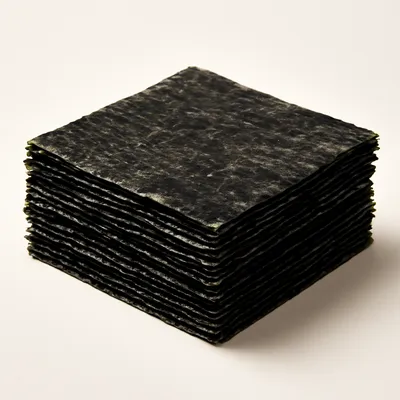

How it's made
8 steps · 15 min
- 15 min
Make the kakejiru: combine dashi with a soy-mirin-sugar base (kaeshi) until savory enough to sip, and bring it to a near-simmer so it is piping hot.
Watch outGet the kakejiru piping hot, right up to a near-simmer — the egg relies on that heat to set the white; a lukewarm broth leaves the white slimy.
- 22 min
Chop scallion and ready a sheet or shreds of nori; have the eggs at room temperature.
- 35 min
Boil the soba in plenty of unsalted water until just tender, then drain and rinse off surface starch.
- 42 min
Dip the noodles back into hot water to rewarm, then divide into warmed bowls.
- 51 min
Pour the very hot kakejiru over the noodles to cover.
- 61 min
Make a small well in the noodles and crack a whole raw egg into the center of each bowl.
Watch outCrack the egg in only at the last moment over the hottest broth and don't boil it — the white should firm to a soft cloud while the yolk stays runny as the 'moon.'
- 71 min
Scatter scallion around the egg and lay the nori at the rim, leaving the yolk uncovered as the 'moon.'
- 81 min
Serve at once with shichimi togarashi; break and stir the yolk into the broth at the table.
Archive tool suggestions — not reviewed
These legacy suggestions have not been evidence-reviewed and are not presented as required tools.