
Shishito no yaki is whole shishito peppers — small, slender, thin-walled green chillies — blistered over a grill or seared in a hot pan until the skins char and the flesh softens, then seasoned simply with salt or a splash of soy. Mostly mild and grassy-sweet, shishito carry a built-in game: roughly one pepper in ten turns out sharply spicy, so each bite is a small gamble. They are a quick, ubiquitous izakaya and home plate, eaten by the stem straight off the heat. The blistering is the whole technique; the appeal is char, salt, and the occasional fiery surprise.




The shishito is a sweet pepper cultivar of Capsicum annuum long grown in Japan, its name — 'lion pepper,' shishitōgarashi — said to come from the wrinkled, blunt tip of the fruit resembling a lion's face, abbreviated to shishitō. Simply blistering the whole pepper and salting it is folk cooking with no single recorded origin; it is one of the most basic ways Japanese kitchens treat a tender summer vegetable. The pepper's famous unpredictability is real and well documented: most shishito sit at a mild 100–200 on the Scoville scale, but roughly one in ten spikes far higher — up to around 1,000 SHU — owing to growing stress, and that lottery is half the fun of eating a plateful. As a chilli native to the Americas, the species reached Japan after the Columbian exchange and was bred there into this mild local form.
Blistered shishito are tender and a little juicy, the thin skin gone soft and smoky-bitter at the charred spots, the flesh inside sweet and grassy with a faint pepper warmth. Salt sharpens that sweetness and the char gives a savoury, almost roasted edge; a splash of soy or a dab of bonito-and-soy deepens it. Then comes the gamble: most are mild, but every so often one delivers a clean jolt of heat that catches you off guard, which is exactly the point. Eaten hot off the fire, stem held in the fingers, the flesh slips off the seeds in one bite.
High, dry heat is what makes the dish: a hot grill or pan blisters the thin pepper skin fast, browning and lightly charring it through the Maillard reaction and giving the smoky, bitter-savoury notes, while the brief cook softens the flesh and concentrates its sugars without stewing it to mush. A little oil and salt help conduct heat and draw out moisture so the skin blisters rather than steams; piercing or slitting each pepper first keeps trapped steam from bursting it in the pan. The heat lottery has a botanical cause: shishito make capsaicin, the compound behind chilli pungency, and although the cultivar is bred to be mild, environmental stress during growing — strong sun, heat, drought, and a low seed count in a given fruit — pushes capsaicin in individual peppers far above the rest, so a minority on any plant come out genuinely hot.
Variations
The plainest version is salt only; common alternatives finish with soy sauce, a dab of bonito flakes and soy, miso, or grated ginger and garlic. Some cooks deep-fry or pan-fry the peppers in more oil (shishito no agebitashi) and then steep them in dashi-soy, or stir-fry them with chirimen-jako (tiny dried fish) and a sweet-soy seasoning. Whole peppers are also threaded onto skewers and grilled yakitori-style. The closely related but larger Italian and Spanish frying peppers (such as Padrón) are prepared almost identically; Padrón shares the same one-in-a-handful heat lottery.
On the Palate
Where Shishito no Yaki sits in the Japanese flavor cloud
Ingredients
Serves 2How it's made
7 steps · 8 min active + 2 min waiting
- 12 min
Rinse and dry the shishito peppers; trim the long stem tips but leave the stems on for handling
- 22 min
Pierce or make a small slit in each pepper so trapped steam can escape and they don't burst
Watch outSlit each pepper before it hits the pan — trapped steam bursts a whole pepper open in the oil otherwise.
- 31 min
Heat a little oil in a pan or set up a hot grill
- 45 min
Add the peppers and cook over high heat, turning, until the skins blister, char in spots, and the flesh softens
Watch outCook over high heat until the skins blister and char in spots — high dry heat is what gives the smoky-savory note; a cool pan just steams them soft.
- 52 min
Season with salt; for a soy finish, add a splash of soy sauce at the end and toss until it sizzles off
- 61 min
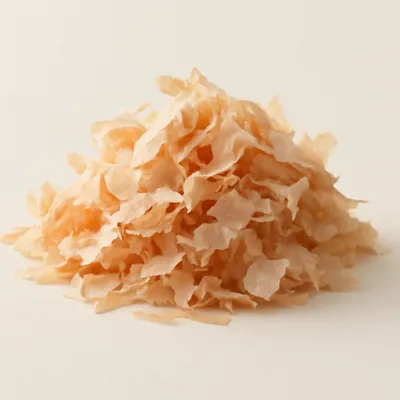
Transfer to a plate and, if liked, top with bonito flakes
- 71 min
Serve hot, eaten by the stem
Archive tool suggestions — not reviewed
These legacy suggestions have not been evidence-reviewed and are not presented as required tools.


