
Jappa-jiru is a hearty winter soup of the Tsugaru region of Aomori, built from the head, bones, skin and innards of cod simmered with vegetables. The cod scraps are cut up and cooked with daikon, carrot and negi in a miso broth, with the fish liver dissolved in at the end to enrich it. The point is thrift turned into flavor: the parts of the fish left after the fillets are taken make a soup deeper and more warming than the lean flesh alone would. Steaming hot and full of marrow and gelatin, it is the home cooking that warms Tsugaru through its hard cold, eaten especially around the New Year.


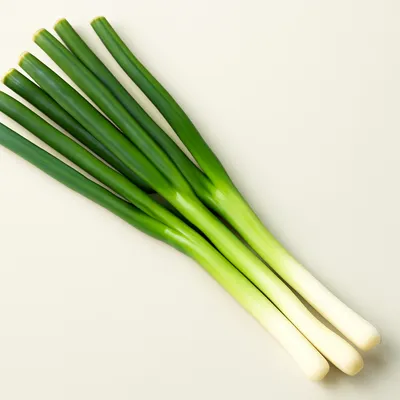
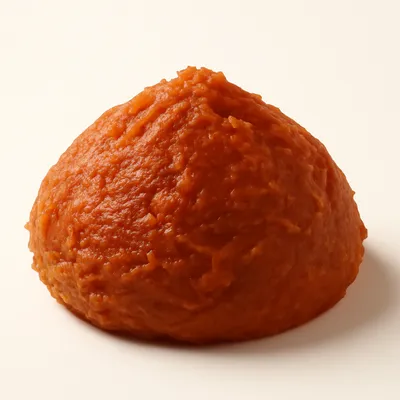
Jappa-jiru is the local soup of Tsugaru in western Aomori, and its name tells its nature: jappa is Tsugaru dialect from zappa, meaning the rough, discarded parts — the fish head, bones, skin and guts left after the flesh is removed. In a cold region where preserving fish was a way of life, households would buy a whole large cod, take the flesh for other dishes, and simmer the remaining scraps into a soup, dried cod and its ara used the same way. Cod holds a special place in the Tsugaru New Year: it is the toshitori-zakana, the fish eaten to see out the old year, so central that locals speak of tara-shogatsu, a cod New Year. Fishermen's families are said to have cooked it at the harbor to celebrate a big catch, using homemade miso, to warm the men coming in from the winter sea.
A rich, briny broth thick with the body that only bones and skin give — faintly sweet, deeply savory, a little slick from the dissolved liver. The cod head and collar yield soft, gelatinous flesh you pick from the bones, the daikon has gone translucent and soaked through with the fishy-miso stock, and the negi adds a sweet fresh edge against the heat. It is rustic and generous, full of bits to nibble off the bone, the kind of soup that warms you from the core on a frozen day.
The dish works because the discarded parts are the flavorful ones. Simmering the cod head, bones and skin extracts gelatin from the collagen in the connective tissue and around the joints, which gives the broth its body and lip-coating richness, while the bones and trimmings release inosinate, the savory nucleotide concentrated in fish, that pairs with the glutamate of the miso for a combined umami far beyond either alone. Stirring the cod liver in at the end emulsifies its fat into the hot broth, adding a deep, slightly sweet richness — the same move that defines the dish's heartiness. Cod is well suited to this: its lean white flesh and large bony head give a clean, gelatin-rich stock without heaviness. Daikon is added early to soften and absorb the stock, the miso late so its aroma is not boiled off.
Variations
Most Tsugaru households season jappa-jiru with miso, but a clear salt-seasoned version is also made, especially when the cod is very fresh. Cooks who like the roe and milt add them to the pot, and the liver may be left out by those who find it too rich. Vegetables follow the season and the kitchen — daikon and negi are constant, with carrot, konnyaku or tofu often joining. The same waste-not idea is applied to salmon and other fish, and the dish has a close sibling in Akita, where jappa-jiru is likewise made from cod scraps.
On the Palate
Where Jappa-jiru sits in the Japanese flavor cloud
Ingredients
Serves 4How it's made
6 steps · 30 min active + 10 min waiting
- 110 min
Cut the cod head, bones, skin and trimmings into manageable pieces, splitting the head lengthwise.
- 25 min
Blanch the scraps briefly in boiling water, then rinse off scum and any clinging blood.
Watch outBlanch the cod scraps and rinse off the scum and blood before building the stock — skip it and the broth turns cloudy and fishy instead of clean and rich.
- 320 min
Simmer the cod parts in water with daikon and carrot to draw out a rich stock.
- 43 min
Cut the negi and add it to the pot once the daikon has softened.
- 55 min
Dissolve miso into the broth, then stir in the cod liver to enrich it, keeping the soup below a hard boil.
Watch outDissolve the miso and stir in the cod liver keeping the soup below a hard boil — the gentle heat emulsifies the liver fat into a rich broth; a hard boil splits it and dulls both the miso aroma and the umami.
- 65 min
Simmer briefly to marry the flavors and serve piping hot, picking the soft flesh from the bones.
Archive tool suggestions — not reviewed
These legacy suggestions have not been evidence-reviewed and are not presented as required tools.


