
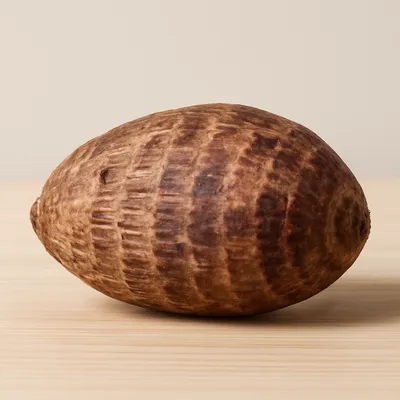
Noppei-jiru, known in Niigata simply as noppe, is a thick simmered soup of root vegetables and taro bound to a soft, clinging body. Diced satoimo taro, carrot, konnyaku, dried shiitake, bamboo shoot, and kamaboko are simmered in dashi seasoned lightly with soy and salt, with salt-salmon, scallop, or ginnan often added for the New Year table. What sets the Niigata version apart from thickened root soups elsewhere is its body: rather than depending on slurried starch, it can thicken from the natural mucilage of the taro itself, and it is eaten warm in winter but also chilled in summer. It is the dish every Niigata household makes for New Year, festivals, weddings, and memorial gatherings.


Noppei-jiru belongs to a family of thick root-vegetable soups eaten across much of Japan, but Niigata's noppe is the best known regional form and a fixture of the prefecture's home cooking. Its history is folk and undocumented in any precise way, rooted in the agricultural and snow-country life of Echigo, where it was cooked in large batches for communal occasions. The deep-snow climate shaped two of its traits: cooks made it in quantity for New Year and for the gatherings — festivals, weddings, Buddhist memorials — at which a Niigata host is expected to set out noppe, and in the cold months the leftover pot was kept outside in the snow, which is offered as the origin of the habit of eating it chilled. The name is usually linked to the soup's thick, sticky consistency, the nuppei or nonpei texture lent by the taro.
The first spoonful is gently viscous, the dashi clinging to lips and to every cube of vegetable rather than running thin. Satoimo gives a slippery, fluffy softness that all but melts; carrot stays sweet and tender, konnyaku springs back with a cool rubbery snap, shiitake and bamboo shoot add chew and woodland savour. The seasoning is restrained and clean, more about the gloss and umami of the dashi than about salt, and when ikura or salt-salmon is folded in there are bright bursts of briny richness against the soft, earthy base.
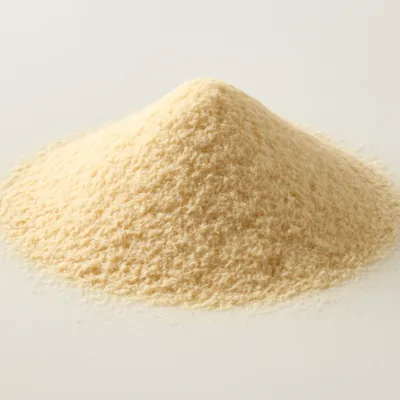
The clinging body of Niigata noppe comes first from the taro. Satoimo is rich in water-soluble polysaccharides — galactan and related mucilage — that disperse into the broth as the corm cooks, raising its viscosity without any added thickener; cut and simmered, the taro effectively thickens its own soup. Where households want a heavier body, or use less taro, a katakuriko or kuzu slurry is stirred in at the end: these starch granules swell and gelatinise in hot dashi to set the same glossy thickness. The flavour base is built on umami synergy — kombu and dried shiitake supply glutamate, bonito or the shiitake itself supply inosinate and guanylate, and the combination multiplies perceived savour far beyond either alone, which lets the soy and salt stay light. Eaten chilled, the dissolved polysaccharides and any added starch firm up as they cool, so the summer version sets noticeably thicker and silkier than when hot.
Variations
The contents shift with the household and the occasion: scallop, salt-salmon, chicken, fried tofu, lotus root, snow peas, and ginnan all appear, and a New Year bowl is often crowned with bright orange ikura, the salmon roe locally called totomame. Some Niigata cooks rely entirely on the taro for body; others finish with katakuriko or kuzu for a firmer set. Outside Niigata the same idea takes many regional names and is usually served hot and clearly starch-thickened, as in the temple-derived kenchin-style and the various noppei-jiru of the Tohoku, Kanto, and Kyushu countryside, so the warm-or-cold, self-thickening Niigata noppe stands somewhat apart within the family.
On the Palate
Where Noppei-jiru sits in the Japanese flavor cloud
Ingredients
Serves 4


How it's made
7 steps · 25 min active + 15 min waiting
- 110 min
Soak 4 dried shiitake in water until soft, reserving the soaking liquid; peel and dice 300g satoimo taro, 1 carrot, and 100g bamboo shoot into bite-size cubes.
- 23 min
Tear or slice 150g konnyaku, parboil it for 2 minutes to remove odour, and slice the softened shiitake.
- 33 min
Bring 800ml dashi (combined with the shiitake soaking liquid) to a simmer and add the taro, carrot, konnyaku, bamboo shoot, and shiitake.
- 415 min
Simmer gently for about 15 minutes until the taro is soft and its mucilage begins to thicken the broth.
Watch outSimmer the taro until soft and its mucilage begins to thicken the broth — that self-thickening is the dish's whole body; underdone taro leaves it thin.
- 53 min
Season with 2 tbsp soy sauce, 1 tbsp mirin, and salt to taste, keeping the flavour light, and add 100g sliced kamaboko.
- 62 min
If a firmer body is wanted, stir in 1 tbsp katakuriko slaked in 2 tbsp water and simmer 1 minute until glossy.
Watch outIf adding katakuriko, slake it in water first and simmer a minute until glossy — tip dry starch into hot dashi and it seizes into lumps.
- 72 min
Serve hot in winter, or chill thoroughly and serve cold in summer, topping each bowl with salmon roe or flaked salt-salmon if desired.
Archive tool suggestions — not reviewed
These legacy suggestions have not been evidence-reviewed and are not presented as required tools.


