
A Japanese home-style rice dish in which raw rice is cooked together with dashi, soy sauce, sake and mirin plus seasonal ingredients — commonly chicken, gobo (burdock), carrot, shiitake and aburaage (fried tofu), sometimes konnyaku. Because the seasonings cook into the rice rather than being spooned on top, every grain is seasoned and tinted tan-brown. This is the defining trait that separates it from mazegohan, where separately seasoned ingredients are folded into plain cooked rice afterward. In the Kansai region the same dish is called kayaku gohan, and a version with five set ingredients is known as gomoku gohan. It is eaten as a main or a side, often with miso soup and pickles.
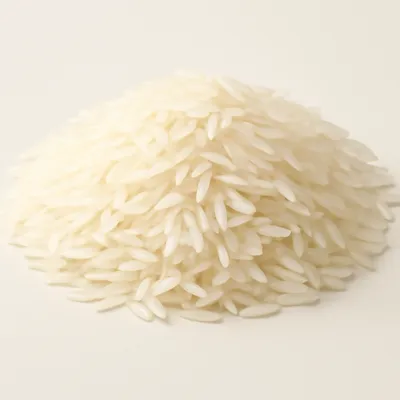

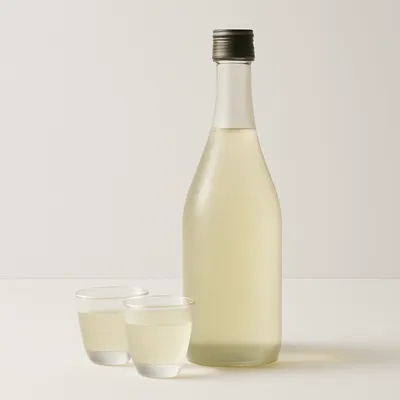


Takikomi gohan descends from rice-stretching cookery: in the Nara-to-Heian periods, when rice was scarce, a little of it was cooked together with millet, foxtail or other grains, wild greens, yam or daikon — additions collectively called 'kate', giving 'katemeshi'. By the Muromachi period these padded rices, now including chestnuts, beans and vegetables, were eaten as 'kawarimeshi'. Versions close to the modern dish — green-pea rice, bamboo-shoot rice, chicken rice, oyster rice — are documented as a way to enjoy the seasons by the Edo period, once rice had become more widely available. The Kansai name kayaku gohan is generally traced to 'kayaku' (加薬), a Chinese-medicine term for an adjunct added to a principal drug; Osaka, a district of drug wholesalers, is said to have borrowed the word for the added ingredients (kayaku) mixed into the rice — though some accounts instead trace it to a medieval temple dish called hohan. The 火薬 ('gunpowder') spelling sometimes seen is a folk mis-writing; the standard form is 加薬.
The grains come out tinted tan-brown and glossy with soy and dashi, seasoned all the way through rather than merely sauced on top — savory and lightly sweet, with a clean dashi backbone. Against the soft rice run the fibrous chew of gobo, the earthy depth of shiitake, and pieces of aburaage that have drunk up the broth and release it as you bite. When the lid lifts, the steam carries soy, sake and mushroom aroma. Cooked in a pot, the prized payoff is the okoge — the thin, lightly scorched, faintly crisp layer caught against the bottom.
Rice cooks by absorbing its surrounding liquid, so when that liquid is seasoned dashi the starch gelatinizes in a flavored medium and every grain is seasoned from within, not just at the surface. The key technique is counter-intuitive: the soy and salt go into the cooking water, but the rice should be soaked in plain water (or drained) first, the seasonings added only just before cooking, and the ingredients laid on top WITHOUT stirring. Salt and soy raise the ionic concentration of the water, which slows the rice's even uptake of water and its swelling — soak the grains in seasoned water and the centers stay hard; stir during cooking and released starch turns the rice gummy. The savor itself rides on umami synergy: glutamate from kombu multiplies with the nucleotides inosinate (from katsuobushi) and guanylate (notably from dried shiitake), so the combined dashi tastes far deeper than any single component.
Variations
Many versions are named for a single seasonal star: kuri gohan (chestnut, autumn), takenoko gohan (bamboo shoot, spring), kinoko gohan (mushroom, autumn), mame gohan (green peas, spring), and tai-meshi (a whole or filleted sea bream cooked over the rice). Gomoku gohan is the five-ingredient everyday form; kayaku gohan is the Kansai name, typically seasoned with lighter usukuchi soy. Kamameshi is the individual-portion form cooked and served in its own small iron pot, prized for the okoge it forms. All of these are takikomi — distinct from mazegohan, where the garnish is mixed into plain rice after cooking.
On the Palate
Where Takikomi Gohan sits in the Japanese flavor cloud
Ingredients
Serves 4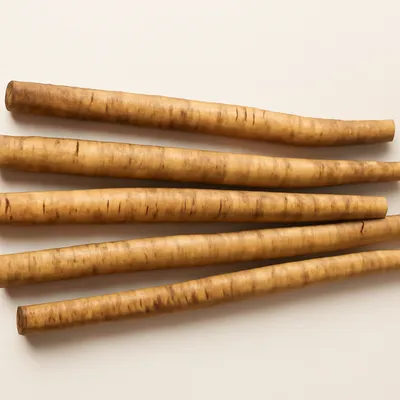


How it's made
7 steps · 20 min
- 133 min
Rinse the rice until the water runs nearly clear, then drain and soak it in plain water for about 30 minutes; drain again so it cooks evenly.
Watch outSoak the rice in plain water, then drain — soak it in the seasoned liquid instead and the salt and soy slow the grains' water uptake so they cook up hard-centered and gummy.
- 212 min
Cut the chicken thigh into small pieces; shave the burdock and soak it briefly in water, julienne the carrot, slice the shiitake, and pour boiling water over the aburaage to remove excess oil, then slice it thin.
- 34 min
Combine dashi, soy sauce, sake and mirin; add the seasoned liquid to the drained rice in the pot and top up with dashi to the correct level for the amount of rice.
- 42 min
Lay all the ingredients evenly on top of the rice and DO NOT stir, so the seasoned water can still soak in evenly and the rice swells without going gummy.
Watch outLay the ingredients on top and do NOT stir — stirring blocks the even soak-in and works the starch so the rice turns gummy instead of fluffy.
- 514 min
Cover and bring to a boil over medium heat, then lower to a gentle simmer and cook until the liquid is absorbed, about 12 to 15 minutes.
- 610 min
Turn off the heat and let it steam, covered and undisturbed, for 10 minutes to finish the grains and set any okoge at the bottom.
- 73 min
Fold gently from the bottom to fluff and distribute the ingredients, then serve hot, often with miso soup and pickles.
Archive tool suggestions — not reviewed
These legacy suggestions have not been evidence-reviewed and are not presented as required tools.


