


The round-pancake form dates to 1914, when Tokyo confectionery Usagiya in Ueno standardized two same-size disks sandwiching anko (earlier Edo versions were single open-faced pancakes folded over). The name comes from dora (銅鑼, gong) — the shape, not a samurai legend. Doraemon's 1969 manga debut cemented dorayaki as the iconic Japanese childhood sweet outside Japan.
Edo-period two-pancake sandwich named for the gong (dora) it allegedly resembles — Ueno's Usagiya claims the modern format from 1914. Tsubuan (whole-bean) vs koshian (smooth) divides households.
Two small honey-pancake disks, deep gold and slightly domed, sandwiching a thick layer of anko (sweet azuki bean paste). The skin is springy, almost cake-like, with the faint caramel of mirin in the batter. The filling is grainy if tsubuan, smooth if koshian. Eat at room temperature; refrigeration kills the skin's bounce.
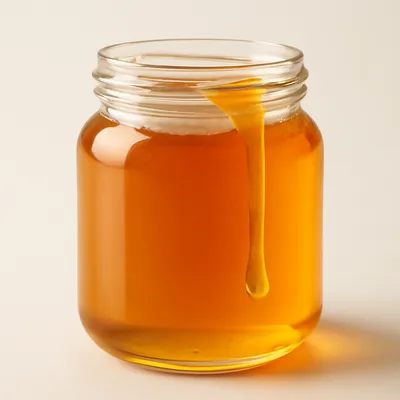
Honey and mirin in the batter do two jobs: they keep the pancake moist for 2–3 days (unlike plain pancake, which goes leathery overnight) and they push browning at lower pan temperature, giving even gold without burnt spots. The skin is cooked one side only on a flat copper or steel plate — flipping kills the dome. Pair the two skins with their domes outward.
Variations
Tsubuan dorayaki (chunky, traditional); koshian (smooth, sweeter); Doraemon-popularized version is the round Usagiya style; mochi-dorayaki sandwiches a slab of mochi with the bean paste; matcha-cream dorayaki is the Kyoto modern.
On the Palate
Where Dorayaki sits in the Japanese flavor cloud
The honey and mirin in the batter are what keep the skins soft for days and brown them evenly at low heat — cook gently on a barely-medium pan so they gild without scorching.
Ingredients



How it's made
5 steps · 18 min
- 15 min
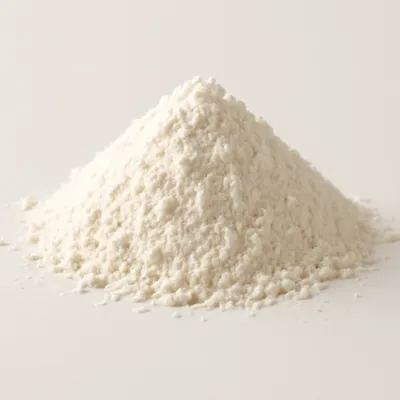
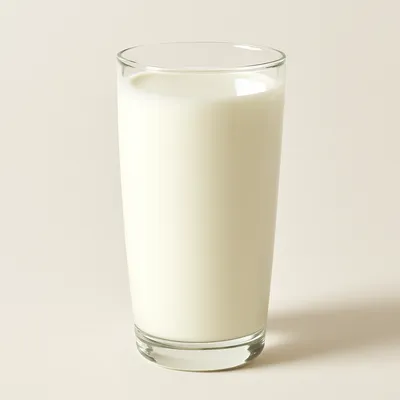
In a bowl, whisk together eggs, sugar, and honey until the mixture is pale and frothy. Gradually add flour and milk, mixing until you have a smooth batter.
Watch outWhisk the eggs, sugar and honey until pale and frothy — that air is what lifts the skin.
- 23 min
Heat a non-stick pan over medium heat. Pour a small ladle of batter to form a pancake about 3 inches in diameter. Cook until bubbles form on the surface and the edges are set.
Watch outWait until bubbles pock the whole surface and the edges look dry and set — only then is the underside gold.
- 33 min
Flip the pancake and cook for another minute until golden brown. Remove from the pan and repeat with the remaining batter.
Watch outWait for bubbles to form before flipping to ensure proper cooking.
- 45 min
Spread a generous spoonful of azuki bean paste on one pancake. Top with another pancake to create a sandwich, pressing gently to seal.
Watch outMound the paste thick in the center and thin at the edge so it doesn't squeeze out when you press the top on.
- 52 min
Serve the dorayaki warm or at room temperature, enjoying the contrast of the fluffy pancakes and sweet bean paste.
Archive tool suggestions — not reviewed
These legacy suggestions have not been evidence-reviewed and are not presented as required tools.