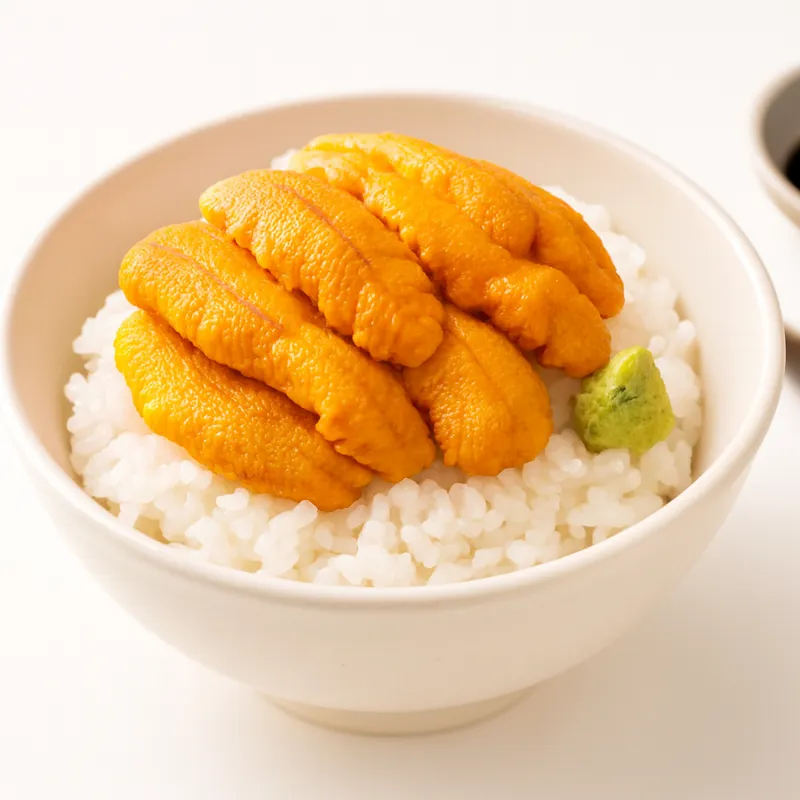
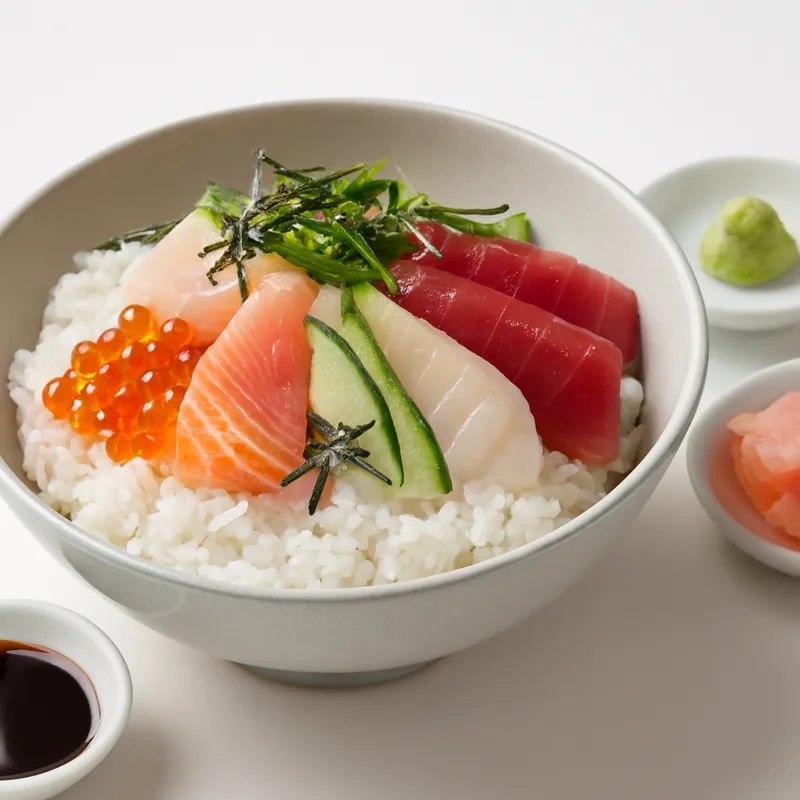
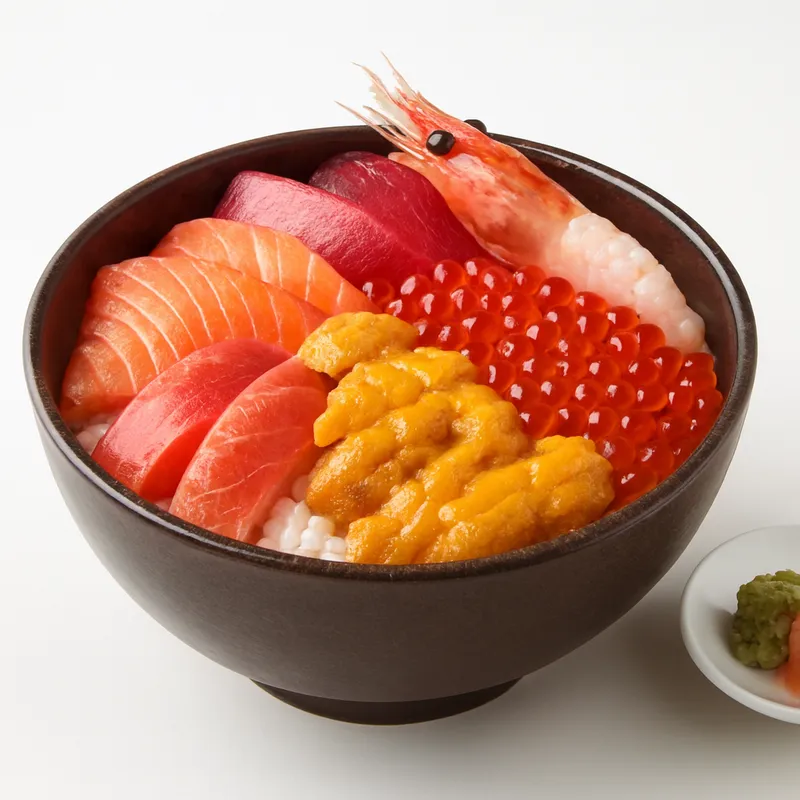
Lustrous salmon roe adorning a bed of sushi rice, with a touch of wasabi.



Hokkaido's coastal fisheries — particularly around Shiretoko and Kushiro — have processed salmon roe since the early 1900s, when Russian and Japanese fishermen exchanged techniques (the separate-grain salting method spread from Russia around the Meiji 40s / 1900s, tied to Kamchatka salmon-fishery development and Russo-Japanese War contact) (the word ikura itself is from Russian икра, meaning roe). The donburi format came later, mid-20th century, as fishing-port lunch counters started serving the roe straight over rice rather than as a sushi topping.
Hokkaido coastal fisheries near Shiretoko and Kushiro have processed salmon roe since the late 1800s — the word ikura is from Russian икра. Shoyu-zuke (soy-mirin-sake cure) is the home-kitchen default; over-curing toughens the membrane and the eggs lose their snap.
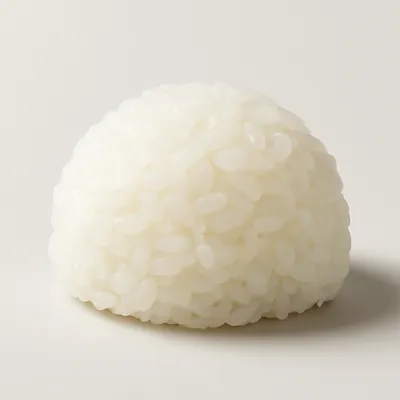
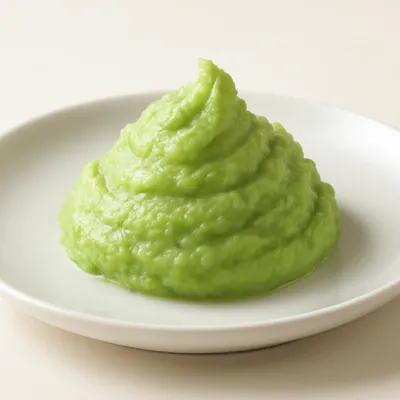
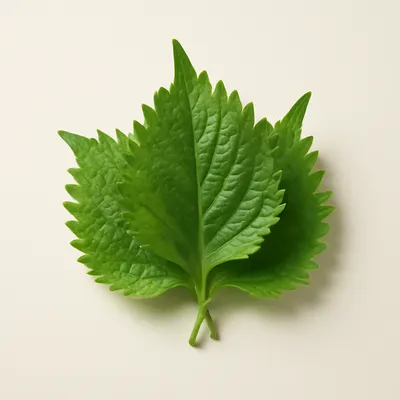
A bowl of vinegared sushi rice topped with a translucent mound of orange salmon roe, each egg the size of a pea. The eggs pop between the teeth and release a salty-briny liquid — soy-cured ikura is sweeter, shio-cured is sharper. A dab of wasabi underneath, a sliver of shiso leaf, sometimes a quail yolk. Eat fast; the eggs go cloudy if they sit.
The cure is everything. Skein-fresh roe is washed in warm salt water to release the eggs from the membrane, then steeped in soy-mirin-sake (shoyu-zuke) or just brine (shio-zuke). Over-curing toughens the membrane and the eggs lose their snap; under-curing leaves a fishy edge. The shoyu version is the Hokkaido home-kitchen default — most port towns cure their own fall catch each September.
Variations
Shiretoko-style shoyu-zuke is the Hokkaido home cure; Kushiro fish-port shops run a saltier shio-zuke; Sushi Zen in Sapporo serves it warm-rice donburi-style; Tsukiji wholesalers grade by egg-diameter (sujiko remains in skein, ikura is separated).
On the Palate
Where Ikura Don sits in the Japanese flavor cloud
Ingredients




How it's made
5 steps · 15 min
- 15 min
Cook sushi rice and let it cool slightly.
Watch outCook the rice, then let it cool to just-warm before it goes in the bowl — roe on hot rice turns cloudy and cooks the eggs cloudy-white.
- 22 min
Season rice with a mixture of vinegar, sugar, and salt.
- 35 min
Place a portion of rice in a bowl.
- 45 min
Generously top with salmon roe.
Watch outPile the roe on gently and generously — each bead should still be plump and pop; slumped, leaking eggs mean it was over-cured or bruised.
- 52 min
Serve with nori, shiso leaves, and a dab of wasabi on the side.
Archive tool suggestions — not reviewed
These legacy suggestions have not been evidence-reviewed and are not presented as required tools.