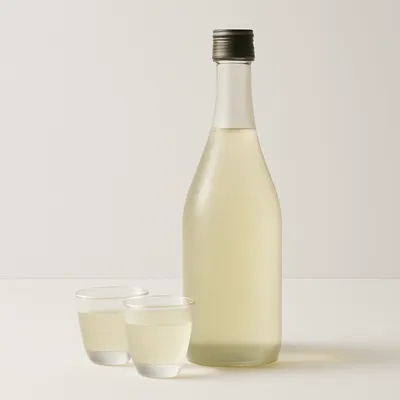
Sake offers a unique umami experience, with a smooth, slightly sweet profile and a hint of rice and floral aromas. This rice-based beverage is both refreshing and versatile, making it a staple in Japanese cuisine.
Where it comes from
Sake has been brewed in Japan for over a thousand years, traditionally associated with cultural and religious ceremonies, and often enjoyed during festivals and family gatherings.
In the kitchen
Sake can enhance marinades and glazes, contributing depth to seafood dishes and even desserts, while also being a wonderful accompaniment to sushi.
Across cuisines
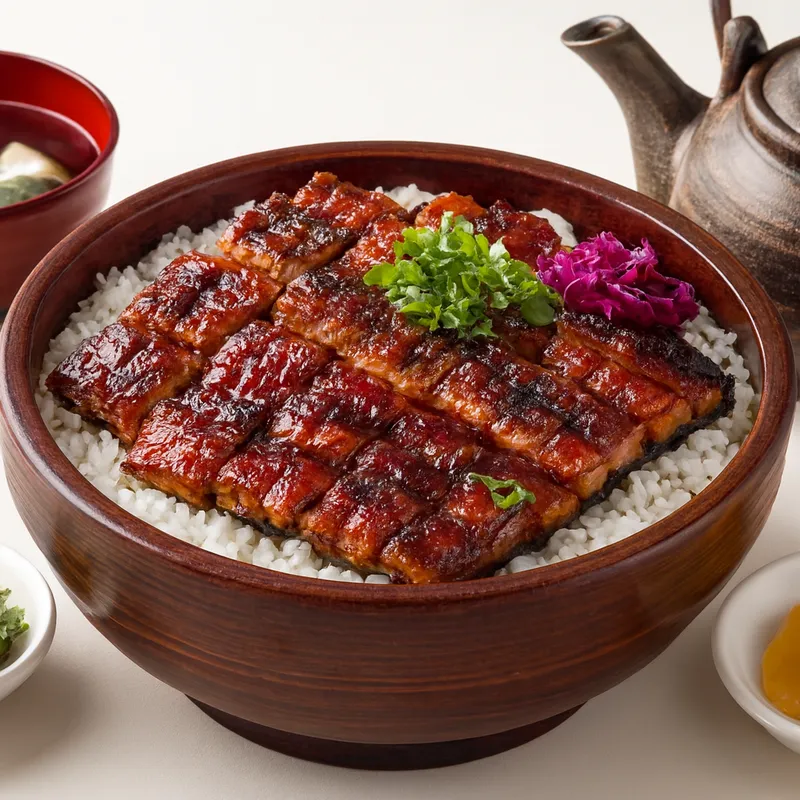
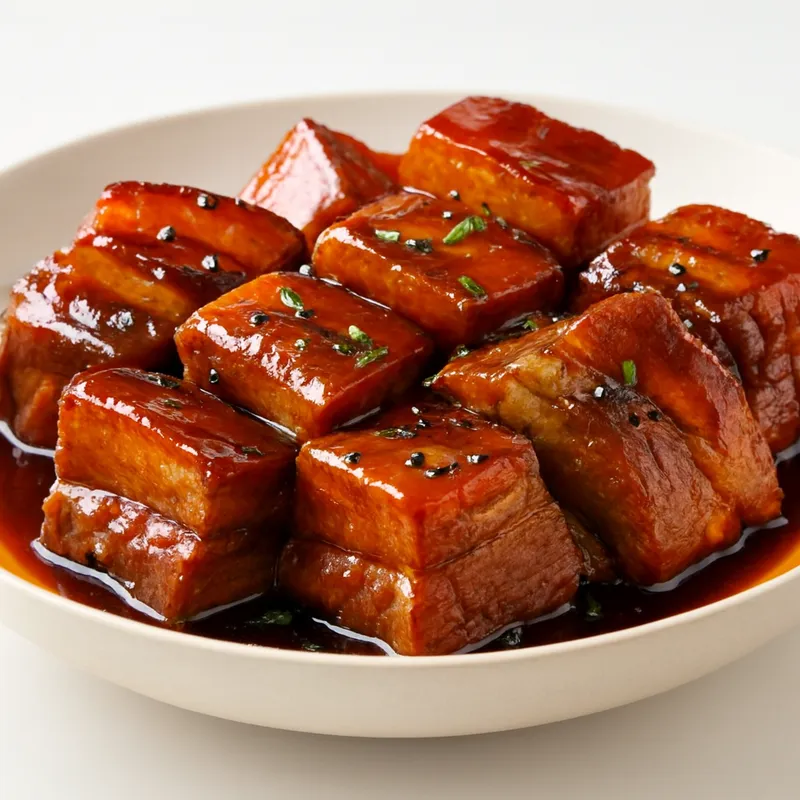
Sake functions in Japanese cooking across three technical roles: (1) deglazing and deodorizing—poured over fish or meat to remove fishiness through alcohol evaporation; (2) adding umami depth to simmered dishes (nimono) like nikujaga and oden; (3) contributing sweetness and shine to glazes (yakitori tare, hitsumabushi eel glaze, rafute braised pork). Kyoto kaiseki uses sake ceremonially in dashi-based sauces. Ryorishi (cooking sake) has added salt to prevent consumption and avoid alcohol taxes.
Notable varieties
No added alcohol or sugar. Earthier, richer umami profile. Preferred for cooking nimono and braises where a fuller flavored sake is desired. Polish ratio 70% or below.
Small amount of distilled alcohol added. Lighter, cleaner aroma than junmai. Works well for deodorizing fish or as a quick-cook deglazing sake. Polish ratio 70% or below.
Industrial grade sake with 2–3% added salt, sold cheaply in supermarkets for cooking only. Not for drinking. Adds salt along with sake's flavor; recipe seasoning must be adjusted accordingly.
Nutrition (per 100g)
AI-estimated; model and run unavailable.
Pairs well with