


Modern sukiyaki dates to the Meiji Restoration (1868), when Emperor Meiji publicly ate beef in 1872 to break the 1200-year Buddhist-influenced ban on four-legged meat. Kansai-style (Osaka) sears the beef in fat first, then adds sugar and soy directly to the pan; Kanto-style mixes warishita beforehand and pours it in. The pan and the table-cooking format come from older gyu-nabe beef hot pots of late Edo.
A 19th-century Meiji-era table cooking — beef became permitted in Japan only in 1872 (Emperor Meiji's edict). The warishita (soy + mirin + sake + sugar) is the broth; the raw-egg dip is the signature toggle.
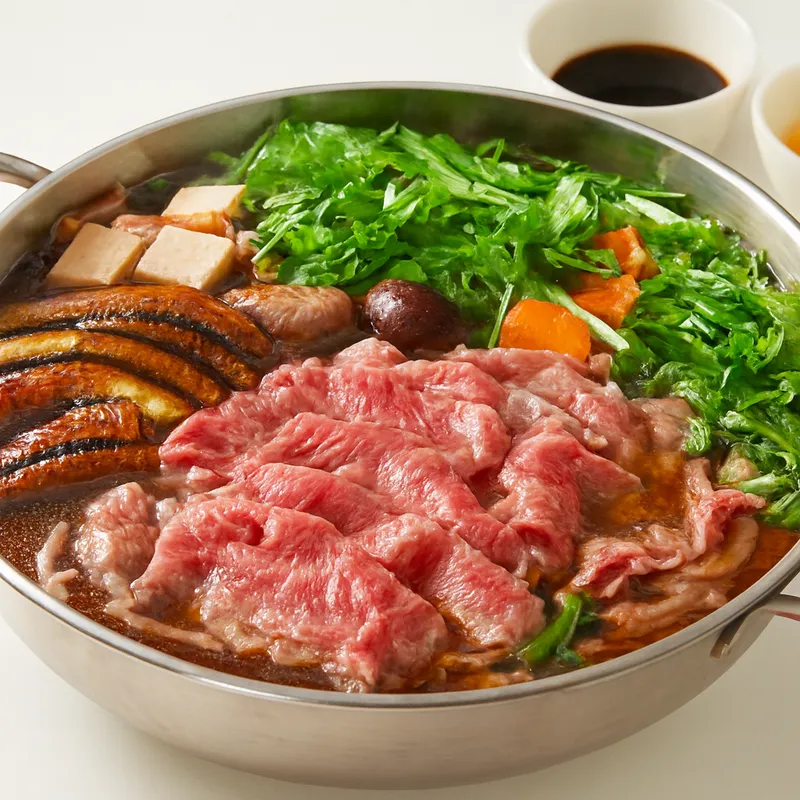
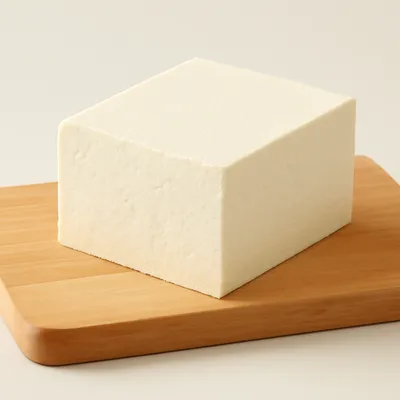
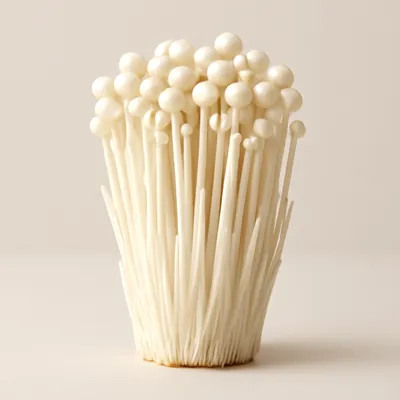
A shallow cast-iron pan at the table, beef slices laid in hot tallow, then warishita (soy, mirin, sugar, sake) poured over. Tofu, shungiku, enoki, leek, shirataki go in around the meat. Each diner cracks a raw egg into a personal bowl and dips the cooked beef through it before eating. The egg cools the meat to mouth temperature and coats it.
Sugar is structural, not just sweetener. It Maillards with the soy on the pan surface, building the brown lacquer that defines sukiyaki against shabu-shabu. The raw egg dip is functional — its lecithin emulsifies the salty-sweet glaze into something that clings to the beef without burning the tongue. Skip the egg and the seasoning reads harsh.
Variations
Kanto-style (cooked in warishita); Kansai-style (sear meat first, add liquid later); Hokuriku version uses ham instead of beef; modern "high-end" sukiyaki uses Wagyu loin and bottled warishita.
On the Palate
Where Sukiyaki sits in the Japanese flavor cloud
Ingredients
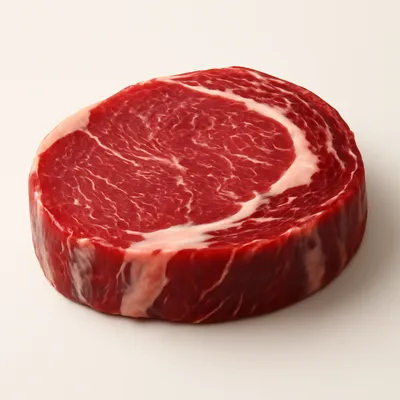


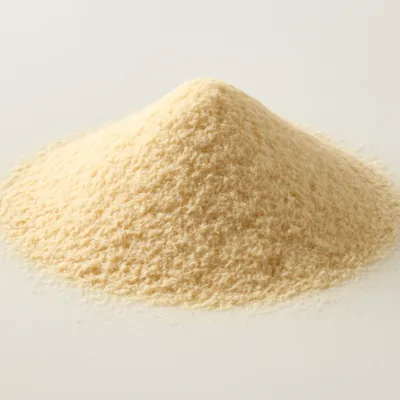

How it's made
4 steps · 22 min
- 15 min
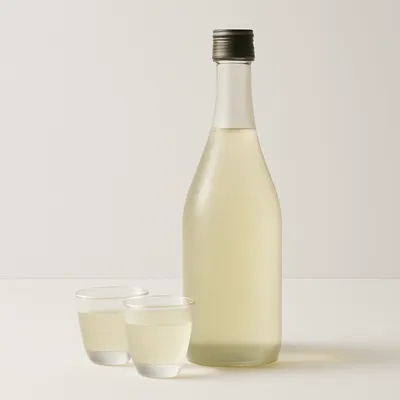
In a large pot, combine sake, soy sauce, sugar, mirin, and dashi to create the warishita. Bring it to a gentle simmer over medium heat, stirring to dissolve the sugar.
Watch outSimmer the warishita just until the sugar fully dissolves and it smells sweet-savory — don't reduce it to syrup yet, the beef and veg will thicken it.
- 25 min
Add thinly sliced meat to the pot, allowing it to cook gently in the simmering warishita. Stir occasionally until the meat changes color and is nearly cooked through.
Watch outThe beef is ready the instant its red fades to brown — it keeps cooking off the heat, so err on the underside.
- 310 min
Add tofu, shiitake, enokitake, and other vegetables to the pot. Simmer gently, allowing the flavors to meld and the vegetables to soften.
Watch outAdd the vegetables in order of how long they take, and give the tofu and shirataki time to drink up the dark glaze before serving.
- 42 min
Crack an egg into a small bowl and beat it lightly. Use this as a dipping sauce for the cooked ingredients, adding a silky texture and rich flavor.
Archive tool suggestions — not reviewed
These legacy suggestions have not been evidence-reviewed and are not presented as required tools.