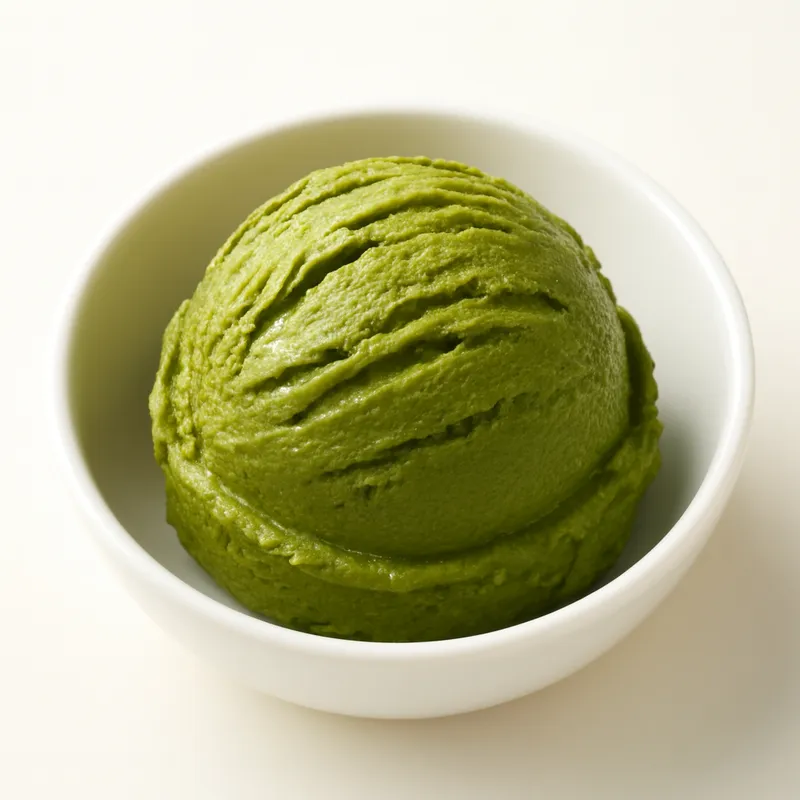
Chanchanyaki is a Hokkaido griddle dish of salmon and vegetables steam-grilled together under a sweet miso glaze. A whole side or thick fillets of autumn salmon are laid skin-down on a hot iron plate over a heap of cabbage, onion, carrot, beansprouts and other vegetables, brushed with a sauce of miso, sake, mirin and sugar, then covered to steam-grill until the fish flakes and the cabbage wilts. A pat of butter melted in at the end is the Hokkaido signature. Diners scrape the fish and softened vegetables together off the communal plate, the salmon breaking into the miso-glazed greens. It is a homely, generous dish tied to the autumn salmon run.
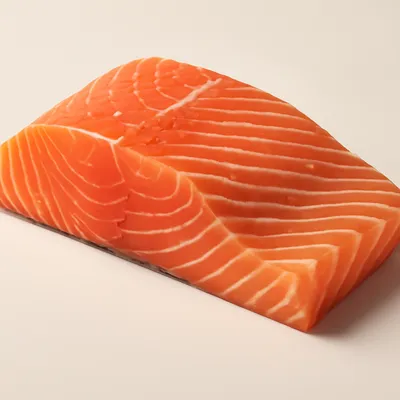
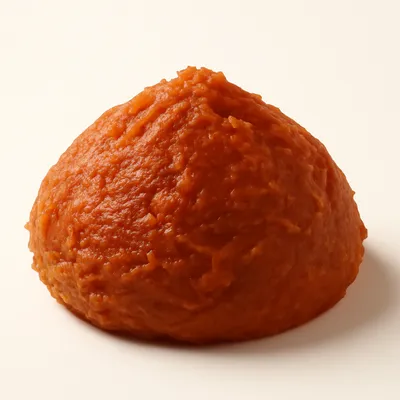
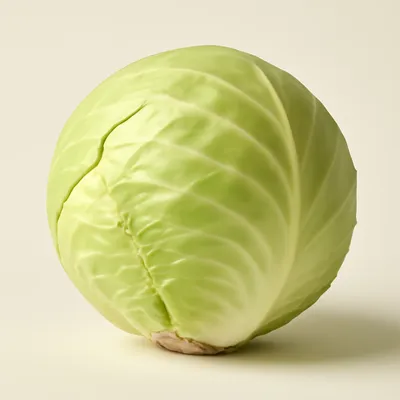


Chanchanyaki is documented as having originated in the fishing towns of the Ishikari area in western Hokkaido. According to the Japanese Ministry of Agriculture's account of the dish, fishermen in Ishikari in the early Showa period (from the late 1920s) grilled freshly caught salmon on iron plates fashioned from cut-open oil drums aboard their boats, eating it on the spot with whatever vegetables were at hand. The name's origin is told several ways and none is settled: that the dish is quick to throw together (chatcha to), that it was the father (otou-chan) who cooked it, or that it imitates the chan-chan clatter of the spatula against the iron plate. Along with Ishikari nabe and Jingisukan, chanchanyaki was selected for the Ministry of Agriculture's 2007 list of one hundred regional dishes of Japan's farming, mountain and fishing villages.
Off a sizzling communal plate: salmon broken into big moist flakes, slicked and sweet-savory from the miso glaze, tangled through a mound of collapsed cabbage and sweet onion that has soaked up the sauce and the salmon's own fat. The butter finish rounds everything with a dairy richness, and the vegetables at the plate's edge crisp and brown where they touched the hot iron. It eats soft and warming, the fish and greens scraped up together rather than plated apart.
The covered iron plate does two jobs at once: the metal sears the salmon skin and the vegetable bottoms, while the lid traps steam from the vegetables' water so the fish above cooks through gently without drying. Miso is the load-bearing seasoning — its glutamate stacks with the inosinate that has built up in the salmon flesh, the two savory compounds together far more intense than either alone, and the sugar and mirin in the sauce caramelize lightly against the hot plate for a glazed, faintly scorched edge. Salmon is laid skin-down and not stirred until it has set, so the flesh stays in large flakes rather than shredding. The butter, added off the heat at the end, emulsifies into the miso liquid and the rendered fish fat, carrying the fat-soluble aromas and giving the Hokkaido richness.
Variations
The classic uses autumn salmon (akizake); restaurant and home versions add corn and butter for the full Hokkaido finish, or scatter shimeji and enoki mushrooms through the vegetables. Some cooks build it on a tabletop hotplate so the whole table cooks together; campsite and riverside versions still use a single large iron plate. A miso-mayonnaise glaze is a sweeter modern variant, and trout (masu) or other firm fish stand in when salmon is out of season.
On the Palate
Where Chanchanyaki sits in the Japanese flavor cloud
Ingredients
Serves 4


How it's made
6 steps · 25 min active + 10 min waiting
- 15 min
Whisk miso, sake, mirin and sugar into a smooth glaze and set aside.
- 28 min
Cut the salmon into large portions; shred the cabbage, slice the onion and carrot, and trim the beansprouts.
- 33 min
Heat a large iron plate or wide pan, oil it lightly, and lay the salmon skin-down to sear briefly without moving it.
Watch outLay the salmon skin-down and don't move it until it sets — disturb it early and the flesh breaks into small pieces instead of staying in large flakes.
- 42 min
Heap the vegetables around and over the salmon, pour the miso glaze across everything, then cover and steam-grill over medium heat.
Watch outCover and steam-grill so the vegetables' steam cooks the fish gently — the lid is what keeps the salmon moist while the plate sears the bottoms.
- 510 min
Cook until the salmon flakes and the cabbage has wilted, about 10 minutes, lifting the lid only to baste once.
- 62 min
Turn off the heat, add the butter to melt into the sauce, and serve straight from the plate, scraping fish and vegetables up together.
Archive tool suggestions — not reviewed
These legacy suggestions have not been evidence-reviewed and are not presented as required tools.