
Anago-meshi is the signature rice dish of Hiroshima's Miyajima (Itsukushima) area: fillets of anago (conger or sea eel) that are simmered, then grilled with a sweet soy glaze and laid over a bed of rice cooked in the eel's own broth. Unlike unagi-don, which uses fatty freshwater eel, anago is a leaner saltwater fish, so the dish is markedly lighter, with a clean sweetness rather than a heavy, oily richness. The glaze (tare) is typically built from the stock left after simmering the bones and trimmings, and the rice is steamed in a soy-seasoned anago dashi so the flavor runs top to bottom. It is served both as a sit-down donburi and, famously, as a station bento. The course is a main.




Anago-meshi is documented to the Miyajima area of Hiroshima, where abundant conger eel in the Itsukushima straits had long supported a local anago-don. Its modern form is closely tied to the shop Ueno (うえの): founded in 1901 (Meiji 34) by Ueno Tanikichi, it sold an anago-meshi bento at Miyajima Station (now Miyajimaguchi Station) on the newly opened Sanyo Railway, and the dish spread along the line as a celebrated ekiben (station bento). Ueno is generally credited with popularizing the boxed form rather than inventing eel-over-rice outright, since a conger-eel rice bowl already existed locally. The shop is still in operation near the Miyajima ferry crossing, and anago-meshi remains the area's defining specialty.
The eel is silky and tender, almost custard-soft, with a clean, slightly sweet flavor and none of the heavy oiliness of unagi; the lacquer-dark glaze adds a savory-sweet edge while the broth-cooked rice underneath carries its own faint eel umami. A dusting of sansho pepper brings a bright, citrusy-numbing lift that cuts the sweetness.
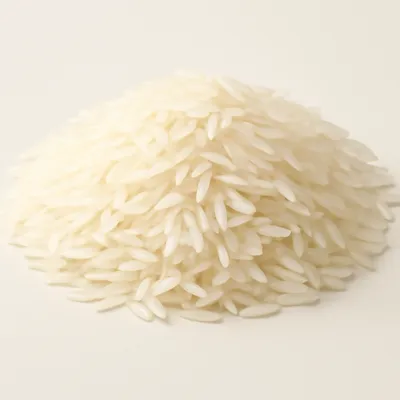
Anago is lean — roughly 166 kcal per 100g against about 551 for fatty unagi — so it can dry out and toughen on direct heat. Simmering first gently sets the proteins and keeps the flesh moist and gelatinous, after which a short grill drives off surface water and triggers Maillard browning with the sugars and amino acids in the soy-mirin tare, building aroma and a glossy lacquer. The tare is reduced from the simmering stock, concentrating gelatin and glutamate so it clings and reads deeply savory. Cooking the rice in a soy-seasoned anago dashi (from bones, heads and kombu) seasons every grain from within and reinforces umami through glutamate-inosinate synergy, so the dish tastes unified rather than topping-on-plain-rice.
Variations
The closest siblings use freshwater eel: unadon (unagi over rice in a bowl) and unaju (the same in a lacquer box) are richer and oilier. Hitsumabushi, the Nagoya specialty, serves chopped grilled unagi eaten in three stages — plain, with condiments, then as ochazuke with dashi or tea. Within anago-meshi itself, the main split is the sit-down donburi versus the famous Ueno-style station bento, which is built to taste good once cooled. Some shops grill only (no pre-simmer) for a firmer, more charred bite, or vary the sweetness and darkness of the tare.
On the Palate
Where Anago-meshi sits in the Japanese flavor cloud
Ingredients
Serves 2

How it's made
8 steps · 30 min
- 110 min
Clean the anago fillets: remove any slime by rubbing with salt or pouring over hot water, then scrape and rinse; reserve the bones and head.
- 220 min
Make the anago dashi: simmer the bones and head with kombu and water for about 20 minutes, then strain; season part of it with soy sauce for the rice.
- 315 min
Cook the rice in the soy-seasoned anago dashi instead of plain water, so each grain absorbs the eel umami.
- 415 min
Simmer the anago fillets gently in a mixture of dashi, soy sauce, mirin, sake and sugar until just tender, then lift out carefully.
Watch outSimmer only until the flesh just turns opaque and firms up; lift it out gently before it flakes apart.
- 510 min
Reduce the simmering liquid into a glossy tare, skimming and cooking until it lightly coats a spoon.
Watch outThe tare is ready when it darkens, turns glossy and leaves a thin coating on the back of a spoon.
- 68 min
Grill the simmered fillets skin-side first, brushing repeatedly with the tare, until the surface is fragrant, browned and lacquered.
Watch outGrill skin-side first and keep brushing tare in layers until the surface is fragrant, browned and shiny like lacquer.
- 73 min
Fluff the cooked rice and pack it into a bowl or bento box; lay the glazed anago over the top, cut to fit.
- 82 min
Brush the eel with a final coat of tare, spoon a little over the rice, and finish with a dusting of sansho pepper.
Archive tool suggestions — not reviewed
These legacy suggestions have not been evidence-reviewed and are not presented as required tools.


