
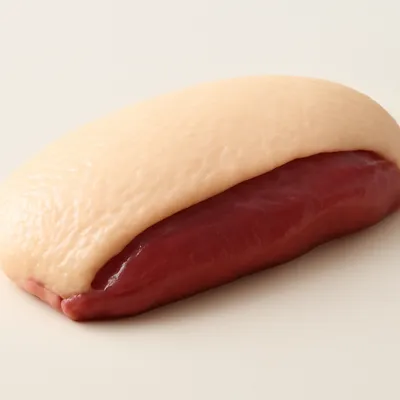
Harihari-nabe is an Osaka hot pot built on a great mound of mizuna greens simmered with thinly sliced meat in a light kombu-and-bonito dashi seasoned with soy sauce, sake, and mirin. Historically it was made with whale meat; as whale grew scarce, duck breast or pork belly became the common substitutes. The greens are added in generous handfuls and cooked only briefly, so they collapse just enough to slurp while keeping their crunch. Diners lift the meat and mizuna from the broth and eat them with a dab of grated ginger, ground sansho, or shichimi, and the pot is often finished by cooking udon or rice in the meat-rich dashi. The name is onomatopoeia for the crisp sound the mizuna makes between the teeth.





Harihari-nabe is documented as a creation of Tokuya, a restaurant in Osaka's Sennichimae district; Japanese sources credit the proprietress Mutsuko Ohnishi with devising it, and the shop is said to have been established around 1967. Osaka had ready access to whale meat because of its proximity to Taiji in Wakayama Prefecture, one of Japan's foremost whaling bases, and during the whaling era whale was among the cheapest meats and a staple protein for ordinary people. The dish paired this affordable whale with mizuna, a leafy green long cultivated around Kyoto and across the Kansai region. After commercial whaling was suspended in the 1980s, whale meat became a scarce luxury, and households and restaurants began substituting duck or pork.
The first impression is the mizuna: even after a brief simmer it snaps cleanly between the teeth, releasing a faint peppery-mustard sharpness that cuts the richness of the meat. The duck or pork comes off tender and just-set, its rendered fat coating each bite, while the dashi underneath is clear, hot, and savory rather than heavy. A dab of ginger or a dusting of sansho lifts the whole spoonful. Done well, the greens stay bright and crisp; overcooked, they wilt to a dull, stringy mush and the broth turns muddy.
The broth's depth comes from dashi's classic umami synergy: glutamate from the kombu and inosinate from the bonito flakes amplify each other, producing a savoriness several times stronger than either alone. Mizuna is added last and cooked only briefly because heat above roughly 80°C quickly breaks down the cell walls and pectin that give the leaves their snap; a short bath wilts them just enough to eat while preserving the crisp 'harihari' texture, whereas prolonged boiling collapses them and leaches out their sharp glucosinolate compounds. Slicing the meat thin lets it cook in seconds and renders its fat into the broth, where it carries fat-soluble aroma and adds body; duck and pork belly are favored precisely because their fat enriches the otherwise lean, clear dashi much as whale once did. Grated ginger and sansho are added off the heat so their volatile aromatics are not driven off.
Variations
The defining split is the meat: the original whale version (kujira) uses lean red meat or fattier cuts such as 'whale bacon' from the belly, while modern home and restaurant versions lean on duck breast or thinly sliced pork belly. Beyond mizuna the pot may carry little else, or add aburaage, negi, or tofu depending on the household. Condiments vary by preference between grated ginger, ground sansho, and shichimi togarashi, and some diners lift the cooked pieces into a ponzu dip. Once the meat and greens are gone, the savory broth is typically finished by simmering udon in it or cooking rice down into a zosui porridge.
On the Palate
Where Harihari-nabe sits in the Japanese flavor cloud
Ingredients
Serves 4



How it's made
8 steps · 20 min
- 125 min
Wipe a piece of kombu and soak it in cold water in the pot for 20-30 minutes, then heat slowly and remove the kombu just before the water boils.
Watch outPull the kombu right before the water boils — let it boil in and the dashi turns slimy and bitter.
- 25 min
Add a handful of bonito flakes to the just-off-the-boil water, let them steep for a few minutes, then strain to leave a clear dashi.
- 32 min
Season the dashi to taste with soy sauce, sake, and mirin to make a light, savory broth.
- 48 min
Slice the duck breast or pork belly thinly across the grain; rinse the mizuna and cut it into roughly 5 cm lengths.
Watch outSlice the meat thin across the grain — thin enough to cook in seconds when it hits the simmering broth.
- 54 min
Bring the broth to a gentle simmer and slip in the meat a few slices at a time, skimming any foam, until just cooked.
- 62 min
Pile in a generous handful of mizuna and cook only briefly, until it wilts but still has crunch.
Watch outAdd the mizuna last and cook only briefly — a short bath wilts it just enough while keeping the crisp 'harihari' snap; long boiling collapses it.
- 76 min
Serve from the pot into bowls, eating the meat and greens with grated ginger, ground sansho, or shichimi to taste.
- 88 min
When the meat and greens are finished, simmer udon in the remaining broth, or add cooked rice to make a zosui to end the meal.
Archive tool suggestions — not reviewed
These legacy suggestions have not been evidence-reviewed and are not presented as required tools.


