
Onomichi ramen is the soy-sauce (shoyu) ramen of the old port town of Onomichi on Hiroshima's Seto Inland Sea coast. The broth is a clear, double-stock of chicken bones and small dried sardines (iriko) drawn from the local fishery, seasoned with a dark shoyu tare and never clouded into tonkotsu. Over this lie flat, low-hydration noodles and the dish's signature: coarse lumps of melted pork back-fat (se-abura) floating on the surface, which give a clean broth a sudden, glossy richness. It eats lighter than a tonkotsu bowl but coats the mouth with fat and Seto-sea umami.


The dish traces to the postwar yatai (street-stall) trade around Onomichi port. Onomichi was a shipbuilding town, and as the wartime yards declined, returnees and immigrants took up pulling chuka-soba carts. The most-cited origin is the Taiwan-born Shu Ashun, who began selling chuka-soba from a yatai in 1947 and later raised the sign of Shukaen; he served a dark-shoyu broth with flat noodles topped with minced pork back-fat. Through the late 1950s and 60s the now-classic style settled: a clear chicken-bone broth carrying the Seto Inland Sea's small-fish dashi, finished with floating back-fat. Shukaen anchored Onomichi's ramen fame until it closed in 2019 after 72 years.
A clear amber broth that smells of soy and the sea, dotted with white-gold beads of softened back-fat. The first sip is light and savory; then the fat coats the lips and the bowl turns rich. The flat noodles are firm and a little dry, drinking up the shoyu rather than going slippery. Iriko gives a low, dried-fish hum under the chicken's roundness.
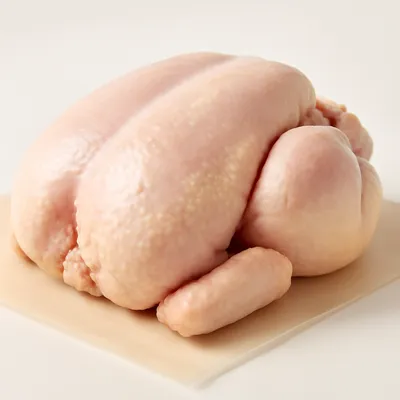
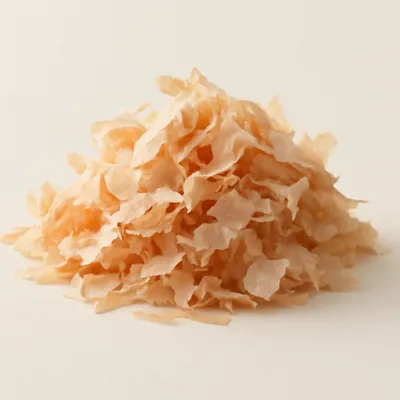
Two things keep the broth clear while making it taste rich. The stock is simmered gently, not boiled hard, so chicken bones and iriko release gelatin and glutamate/inosinate umami without emulsifying fat into the water — that is what separates a clear shoyu broth from cloudy tonkotsu. The richness is added back on top: pork back-fat is rendered and chopped, and at about 40 percent fat it melts at mouth temperature, so the lumps stay visible in the bowl yet dissolve into gloss as you eat. The flat, low-hydration noodle has more surface and a denser bite, so it carries the dark tare and the floating fat instead of sliding clean.
Variations
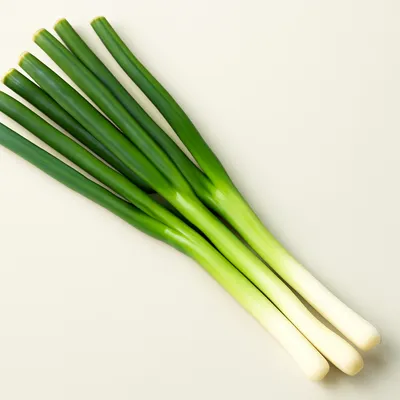
Some shops blend a touch of pork bone into the chicken stock for a fuller body; others lean harder on iriko for a fishier, leaner bowl. Back-fat amount ranges from a light scatter to a heavy crown. Toppings stay simple: menma (bamboo), thin chashu, negi, and sometimes a slice of naruto. Modern Onomichi shops sell dried take-home kits, and the style is widely copied across Japan as 'Onomichi-style' shoyu ramen.
On the Palate
Where Onomichi Ramen sits in the Japanese flavor cloud
Simmer the stock gently and never let it reach a rolling boil — a bare simmer pulls gelatin and umami from the chicken bones and iriko while keeping fat from emulsifying, which is what keeps a shoyu broth clear instead of cloudy.
Ingredients
Serves 2

How it's made
6 steps · 40 min
- 160 min
Soak iriko (head and guts removed to cut bitterness) in cold water with kombu for an hour.
- 2210 min
Add chicken bones and simmer gently — never a rolling boil — skimming scum, for 3 to 4 hours to keep the broth clear.
Watch outHold the surface at a bare shiver with only a few bubbles breaking; if it rolls, the broth clouds.
- 330 min
Render chopped pork back-fat in a little water until soft and translucent; reserve the fat lumps.
Watch outRender the back-fat in a little water only until soft and translucent — don't brown it, or it turns hard and greasy.
- 420 min
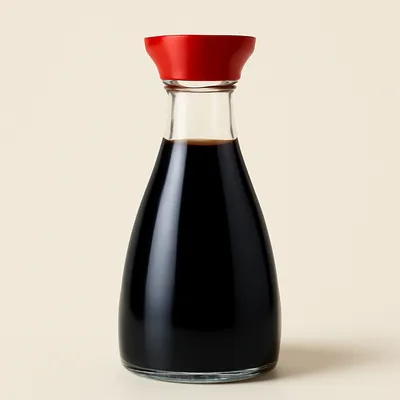
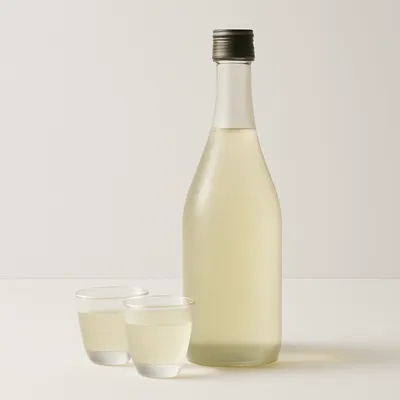
Make the tare: simmer dark soy sauce with mirin and sake, then balance into the hot clear broth.
- 58 min
Boil the flat noodles to a firm bite, drain hard, and lay them in the seasoned broth.
- 63 min
Top with thin chashu, menma and negi, then spoon the rendered back-fat lumps over the surface.
Watch outThe rendered fat lumps should sit visible on the surface; they'll melt to gloss as you eat, so don't stir them in.
Archive tool suggestions — not reviewed
These legacy suggestions have not been evidence-reviewed and are not presented as required tools.


