
Wafu hamburg is the Japanese-style version of the hamburg steak, finished not with a Western demi-glace but with a light, soy-based sauce, a heap of grated daikon (daikon-oroshi) and usually ponzu and chopped green onion or shiso. The patty itself is the familiar hambagu—ground meat bound with sauteed onion, egg and milk-soaked panko, seared and cooked through—but the 'wafu' (Japanese-style) dressing makes it a leaner, brighter, more refreshing plate than the rich brown-sauced original. The mound of cold grated radish over the hot patty is its defining feature.




The hamburg steak entered Japan as a yoshoku (Western-style) dish in the Meiji era and became a household staple in the postwar decades. The wafu treatment—dressing the patty with grated daikon, ponzu and soy instead of a brown demi-glace—developed as Japanese cooks adapted the dish to local tastes, applying the same daikon-oroshi-and-ponzu finish long used for grilled fish and other foods. It is now one of the two standard ways to serve hamburg, offered alongside the demi-glace version in family restaurants and home kitchens; the radish-and-ponzu form is not credited to a single inventor but is a well-established Japanese adaptation.
The patty is the same juicy, tender hambagu—soft enough for chopsticks, releasing clear hot juices when pressed—but the finish is lighter and sharper. The cold grated daikon is watery, peppery and clean, the ponzu adds a citrusy tang, and the soy gives a savoury thread, so the whole dish tastes brighter and less heavy than the demi-glace version, the radish cutting the richness of the meat. A good one balances juicy patty against fresh, sharp dressing; a poor one is either a dry, crumbly patty or so much watery radish that the plate turns thin and bland.
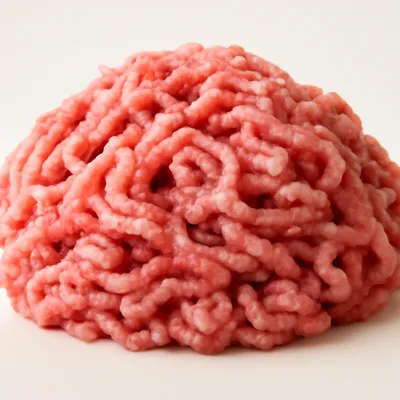
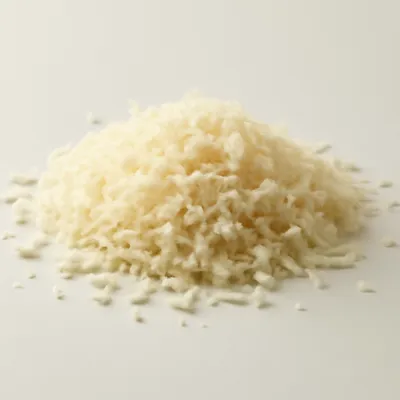
The patty is built for softness and juiciness the same way as any hambagu: panko soaked in milk swells into a paste that traps juices and steam so the meat stays moist, egg sets to help bind, the meat is kneaded cold until tacky to develop just enough myosin to hold, and a central dimple keeps it from doming. It is seared to brown the surface, then finished gently—often covered—so the centre cooks through without squeezing out the juices. The wafu element works by contrast: grated daikon is cold, watery and contains mustard-oil compounds and the enzyme that makes it taste sharp and peppery, so spooned over the hot patty it lightens the dish and refreshes the palate, while ponzu's citrus acidity and soy's glutamate balance the fat without the weight of a reduced brown sauce.
Variations
The basic wafu finish is grated daikon with ponzu or a soy-mirin-dashi sauce, but versions add grated ginger, shiso leaf, nori, a poached or fried egg, or a knob of butter melted into the sauce, and some swap in a simmered mushroom-and-soy ('kinoko') sauce or a teriyaki-style glaze and still call it wafu. An 'oroshi hambagu' names the radish explicitly. The same patty served instead with demi-glace or a brown sauce is the standard Western-style hamburg, and the patty itself is identical to that used in cheese hambagu and over rice as a loco moco.
On the Palate
Where Wafu Hamburg sits in the Japanese flavor cloud
Ingredients
Serves 2


How it's made
5 steps · 25 min active + 10 min waiting
- 18 min
Saute finely chopped onion until soft and sweet, then cool it completely.
- 26 min
Knead ground meat with the cooled onion, egg, panko soaked in milk, salt and pepper until tacky.
Watch outKnead the cold meat until it turns tacky and clings to your hand in a sticky mass — that stickiness is the protein binding, and without it the patty cracks and dries as it cooks.
- 34 min
Shape into oval patties about 2 cm thick with a dimple pressed into the centre of each.
- 410 min
Sear both sides in a hot pan, then lower the heat, add a splash of sake or water, cover and cook through.
Watch outSear both sides to a brown crust first, then drop the heat, add liquid and cover — if the pan cooks it hot all the way through, it squeezes the juices out and the patty goes dry.
- 52 min
Top each patty with a mound of grated daikon and chopped green onion, and pour over a sauce of ponzu and soy.
Archive tool suggestions — not reviewed
These legacy suggestions have not been evidence-reviewed and are not presented as required tools.


