
Gori ryori is a Kanazawa delicacy built around the gori, a small bottom-dwelling river fish of the clear Sai and Asano rivers that thread the old castle town. In Ishikawa the name points specifically to a freshwater sculpin of the Cottidae family, though across Japan "gori" loosely covers several small gobies and sculpins. Only 7 to 15 centimetres long, the fish is too small and bony to fillet, so it is cooked whole — most classically as tsukudani, simmered down in soy and mirin until sweet, dark, and chewy, but also deep-fried as kara-age or floated in a clear soup called gori-jiru. A long-standing item of Kaga cuisine and the teahouse banquet table, it was prized by the Kanazawa-born novelist Muro Saisei, who called the gori an ugly but refined and elegant fish.




Gori has been eaten in Kanazawa since at least the Edo period, when the castle town's two clear rivers, the Sai and the Asano, ran thick with the fish and it entered the refined repertoire of Kaga cuisine. The catch was famous for its method: the gori-oshi, a two-person net-push in which one fisher drove the quick, rock-hugging fish out from under stones with a push-board while the other waited with a triangular bamboo scoop, a sight that became a seasonal emblem of the city. By one widely repeated account the Japanese idiom gori-oshi, to force something through by brute persistence, derives from this strenuous fishing technique, though dictionaries note a rival theory tracing it to the mimetic word gorigori and treat the fishing origin as uncertain. The prized fish in Ishikawa is the river sculpin, distinct from the gobies sold as gori elsewhere; the small, clean-tasting catch supplied teahouse banquets and was celebrated in writing by the Kanazawa novelist Muro Saisei.
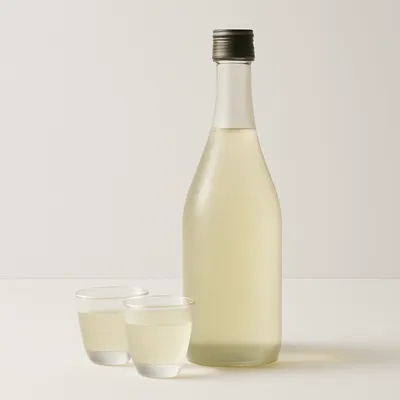
Tsukudani gori arrive glossy and near-black, each tiny fish soft enough to eat whole, head, bones, and all. The first taste is forthright sweet-salty soy, deepened by mirin into something almost caramel, then comes the concentrated savour of the river fish itself and a faint, clean bitterness from the head. The texture is dense and lightly chewy, sticky with reduced glaze, a few fish at a time with rice or warm sake. Fried as kara-age instead, they shatter crisp with a sweet, faintly muddy freshwater note and no fishiness at all.
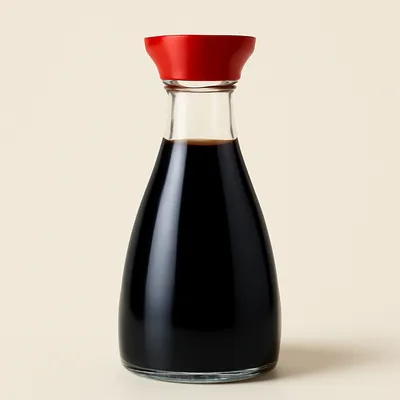
Tsukudani is preservation by simmering: the whole fish is cooked slowly in a soy-and-mirin bath until much of its water is driven off and the sugars and salt concentrate. Salt and the high osmotic pressure of the reduced sauce draw moisture from the flesh, while prolonged gentle heat hydrolyses collagen in the fine bones and skin into gelatin, which is why even the bones turn tender enough to eat. Mirin contributes both sweetness and glucose that, with the amino acids of the fish and the soy, drive Maillard browning and a glossy, sticky glaze as the liquid reduces. The river sculpin is naturally rich in free glutamate and the nucleotide inosinate that builds in the flesh after death; cooked with glutamate-bearing soy, the two umami compounds reinforce each other, the synergy that gives so small a fish such depth. For kara-age the live or very fresh fish is dusted in starch and fried hot so the fins splay and the thin body crisps through before the delicate flesh can dry out.
Variations
Beyond tsukudani, gori is fried whole as kara-age — often from live fish so the fins fan out as if still swimming — and simmered in a clear gori-jiru, in Kanazawa traditionally finished with white miso. It also appears as arai, the just-killed fish chilled in ice water to firm the flesh. The same tsukudani treatment is given to other small river catches and is classically paired in Kanazawa with kurumi no tsukudani, walnuts simmered in the same sweet soy. Because true Ishikawa river sculpin has grown scarce, restaurants increasingly use related gobies or farmed fish, and the dish now reads as a seasonal luxury of Kaga cuisine rather than the everyday riverside food it once was.
On the Palate
Where Gori Ryori sits in the Japanese flavor cloud
Ingredients
Serves 4
How it's made
7 steps · 30 min active + 10 min waiting
- 13 min
Rinse 200g whole fresh gori (or substitute small whole freshwater fish such as smelt or goby) and drain well on paper.
- 23 min
For tsukudani, parboil the fish in lightly salted water for 1 minute, or briefly sear them dry, to firm the bodies and reduce surface moisture.
- 32 min
In a wide pan combine 100ml soy sauce, 100ml mirin, 2 tbsp sake, and 1 tbsp sugar, and bring to a simmer.
- 45 min
Add the fish in a single layer, lower the heat, and simmer gently, spooning the liquid over them, for about 25 minutes.
Watch outSimmer the fish gently in a single layer, spooning the liquid over — keep it a bare simmer so the small fish stay whole and the collagen in the bones slowly turns to gelatin.
- 515 min
Add 1 tbsp grated ginger partway through, and keep simmering until the liquid reduces to a glossy, syrupy glaze that coats the fish.
Watch outReduce until the liquid turns glossy and syrupy and coats the fish — that sticky glaze is where the Maillard browning and keeping quality come from; stop too soon and it's watery and won't keep.
- 68 min
Let the gori cool in the pan so they absorb the glaze and firm up, then lift out and arrange in a small mound.
- 72 min
Serve at room temperature in a small dish as a starter or rice companion, optionally with simmered walnuts alongside.
Archive tool suggestions — not reviewed
These legacy suggestions have not been evidence-reviewed and are not presented as required tools.


