
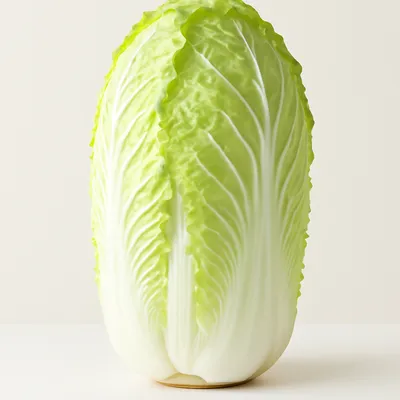
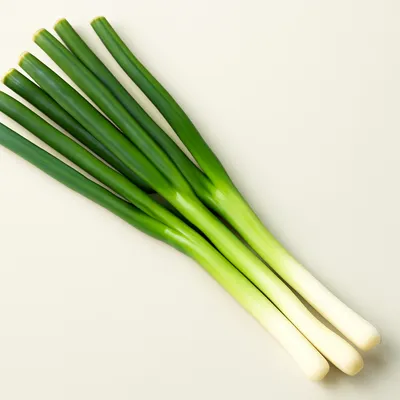
The Osaka light hot pot of fugu (pufferfish) — locally called tetchiri. Bone-in pieces and slices of fugu are simmered briefly at the table with napa cabbage, negi, shungiku, mushrooms and tofu in a plain kombu dashi, and each piece is lifted out and dipped in ponzu (citrus-soy) with grated daikon and chives. It is the cooked-pot counterpart to tessa, the famous paper-thin fugu sashimi. 'Tetchiri' is the fugu version of chiri-nabe, a broader family of white-fish hot pots (sea bream, cod and other white fish) cooked the same plain-broth, ponzu-dipped way. Fugu carries the lethal nerve toxin tetrodotoxin in its organs, so it may only be prepared and served by chefs holding a fugu-handling license; the edible flesh is safe.




Fugu eating in Japan was long banned: Toyotomi Hideyoshi prohibited it around 1598 after soldiers gathering for the Korean campaigns died of poisoning, and the ban held through the Edo period. It was lifted in Yamaguchi Prefecture under Japan's first prime minister, Itō Hirobumi: while staying at the Shunpanrō inn in Shimonoseki in late 1887, he was served fugu (the sea being too rough for other fish) and, impressed, had the prefecture's prohibition repealed the following year, 1888 — Shunpanrō is remembered as the first officially licensed fugu restaurant of the modern era. Shimonoseki and the wider Kansai region, Osaka above all, became Japan's centers of fugu cookery; Osaka is widely cited as eating the most fugu in the country. The Kansai nicknames come from teppō ('gun'), slang for fugu because it 'could shoot you dead': fugu sashimi is tessa (teppō no sashimi) and the hot pot is tetchiri (teppō no chiri), 'chiri' itself being a contraction of chiri-nabe.
A clay pot of clear kombu broth set to a gentle simmer; the fugu pieces go in and turn from translucent to firm white in a couple of minutes, the bone-in chunks curling slightly. The flesh is lean, springy and quietly sweet — closer to a fine white fish than to anything rich — and its character is best read against the dipping ponzu, whose citrus sharpness and the bite of grated daikon and chives lift the clean fish. There is no heavy sauce or fat to hide behind; the pleasure is the texture and the freshness. By the end the broth has taken on the fish's sweetness and is finished as zosui, often the high point of the meal. Overcook the fugu and the springy flesh turns dry and stringy.
Two things define tetchiri: an intentionally bare broth and a very short cook. The broth is kombu only — kombu's glutamate gives a clean savory backbone without competing with the fish, so the fugu's own delicate flavor leads rather than being buried under bonito or seasoning, the same logic as the kombu-only broth of shabu-shabu. The cook is brief because fugu is lean and low in fat: held too long in the simmer, its muscle proteins contract and squeeze out moisture, turning springy flesh dry and fibrous, so pieces are lifted the moment they firm up. The ponzu does the seasoning work the broth deliberately omits — its acidity and the enzymes and pungency of grated daikon cut and brighten the clean fish. As in any nabe, density dictates order: bone-in pieces and firm vegetables go in early, the leaf vegetables and the finishing rice last, when the broth has absorbed the fish's sweetness.
Variations
Tetchiri is one branch of chiri-nabe, the plain-broth, ponzu-dipped white-fish hot pot: tai-chiri uses sea bream, tara-chiri uses cod, and other white fish are cooked the same way — so 'chiri-nabe' is the general dish and tetchiri its fugu form. Within fugu cookery, tetchiri (the pot) sits alongside tessa (paper-thin sashimi), fugu kara-age (fried), and hire-zake (toasted fugu fin steeped in hot sake). Tora-fugu (tiger pufferfish) is the prized species, much of it now farmed, with wild Shimonoseki fugu the famous brand. The finishing zosui is near-universal; some cooks add a beaten egg to it at the end.
On the Palate
Where Tetchiri (Fugu-chiri) sits in the Japanese flavor cloud
Ingredients
Serves 4


How it's made
8 steps · 30 min
- 15 min
Use fugu that has been cleaned and portioned by a licensed fugu chef; never trim or handle the fish's organs at home.
- 210 min
Soak a piece of kombu in water in a donabe, then warm gently and remove the kombu just before it boils to make a clear, plain broth.
Watch outPull the kombu out just before the water boils — let it hit a rolling boil and the broth turns cloudy and slimy instead of clear.
- 312 min
Prepare the vegetables and tofu — napa cabbage, negi, shungiku, mushrooms, cubed tofu — and mix a dipping ponzu with grated daikon, chives and citrus.
- 44 min
Bring the kombu broth to a gentle simmer at the table and add the firm, bone-in fugu pieces and the denser vegetables first.
- 53 min
Add the fugu fillet slices and simmer only until they turn from translucent to firm white, a couple of minutes — do not overcook.
Watch outFugu is lean — lift the slices the instant they turn from translucent to firm white, a couple of minutes; hold them longer and the flesh squeezes dry and stringy.
- 62 min
Add the tofu, mushrooms and leafy greens last and cook just until tender.
- 75 min
Lift each piece into the ponzu dipping bowl and eat as it is cooked, replenishing the pot in small batches.
- 86 min
To finish, skim the broth, stir in cooked rice and a beaten egg for zosui, and simmer briefly into a porridge.
Archive tool suggestions — not reviewed
These legacy suggestions have not been evidence-reviewed and are not presented as required tools.


