
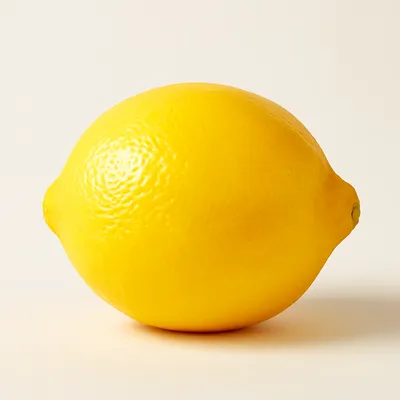
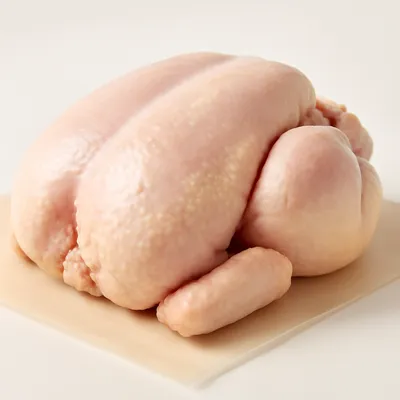
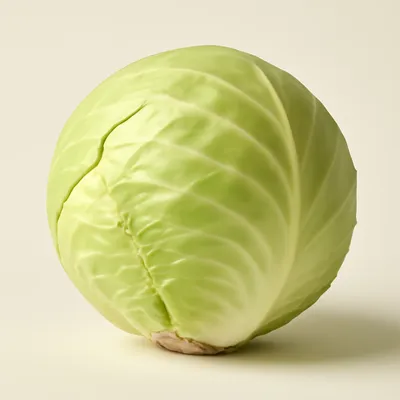
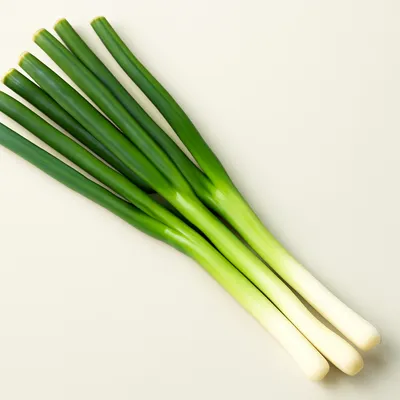
Hiroshima lemon nabe is a modern Setouchi hot-pot built around the prefecture's signature crop: thin rounds of whole, skin-on lemon laid in an overlapping ring across the surface of a light kombu-and-chicken dashi. Beneath the citrus float chicken or thin pork belly, cabbage, negi, mushrooms and tofu, simmered just until done, while the lemon perfumes the broth with bright acidity and a faint, pleasant bitterness from the peel oils. Hiroshima grows the great majority of Japan's domestic lemons — much of it on the Setouchi islands around Setoda on Ikuchijima, the documented birthplace of Japanese lemon cultivation — and the fruit is largely low-agrochemical and wax-free, so the slices are eaten peel and all. It is a contemporary regional-promotion dish (a goto-chi nabe) of the 2010s rather than an old folk tradition, popularised by Hiroshima restaurants and tourism campaigns to showcase the Setouchi lemon brand.


The dish is recent and commercial, built on a genuinely deep agricultural history. Japanese lemon cultivation is conventionally traced to 1898 (Meiji 31), when a few lemon seedlings, mixed into a shipment of navel-orange stock brought from Wakayama, were trial-planted in Hiroshima; Ocho in present-day Kure is named as the cradle of the prefecture's lemon growing, and the craft soon took root on the Setouchi islands around Setoda on Ikuchijima. After the wartime and postwar collapse and the 1964 liberalisation of citrus imports nearly wiped the orchards out, low-agrochemical 'eco-lemon' growing and a branded Setouchi-lemon revival from the 1990s onward rebuilt Hiroshima into Japan's leading producer, supplying roughly 60 percent of the domestic crop, with Setoda alone close to a third. The lemon nabe grew out of this branding push as one of several goto-chi (local-specialty) dishes of the 2010s. A widely reported version is the lemon nabe of the Chidori eatery in Setoda, said to have been devised when a young girl asked the owner to 'make a hot-pot with Japan's best lemons'; commercial lemon-nabe soup bases sold across Hiroshima have since spread it further. There is no single, securely documented inventor or founding year for the dish as a whole, and it is best understood as a 2010s Setouchi-lemon regional creation rather than a centuries-old folk pot.
The first thing is the smell: lift the lid and the steam carries a clean, sharp lemon top-note before a spoonful ever reaches the lips. The broth is light and clear, savory from chicken and kombu but lifted by a fresh, ringing acidity, with a thin, agreeable bitterness trailing behind it from the peel oils. The simmered lemon rounds go soft and yielding, sweeter and rounder than a raw squeeze, their bitterness mellowed; a slice eaten whole, peel and all, is tender with just a faint citrus-pith edge. Against this brightness the chicken or pork tastes cleaner and less heavy, its fat cut by the acid, and the cabbage and tofu come through fresh rather than flat.
The dish works by acid and aroma rather than long cooking. Lemon's sharpness is citric acid, and most of its perfume lives not in the juice but in the peel: the flavedo, the yellow outer skin, is studded with oil glands rich in limonene, the terpene that gives lemon its bright top-note. Brief simmering releases these volatile peel oils into the steam and broth, which is why whole skin-on slices are used and why low-agrochemical, wax-free fruit matters — the peel is meant to be eaten and infused, not discarded. Heat also tames the raw fruit: it volatilises some of the sharpest aromatics and slowly leaches limonin and naringin, the bitter limonoid and flavonoid of the pith and seeds, so a brief steep gives fragrance and a pleasant edge while a long, hard boil would turn the broth harsh and dull the fresh top-note. The acid itself does kitchen work, brightening the kombu-and-chicken dashi — whose glutamate and inosinate carry the savory base — and cutting the fat of the meat, so the pot tastes lighter than its richness.
Variations
The protein swings between chicken and thin pork belly, and many Setouchi versions lean on the sea — local oysters, octopus, sea bream, or their tsumire — to play against the citrus. The broth ranges from a plain kombu-and-chicken dashi to a shio-koji or salt-tare base in the commercial soup packets, and some cooks add a little soy or a splash of sake. A related, lighter variant is the lemon mizore-nabe, where grated daikon is added so the broth looks like soft sleet, often with oysters and pork. Vegetables follow the season — cabbage, negi, mizuna, shungiku, mushrooms and tofu — and the finish, as with most nabe, is rice cooked into the lemon-scented broth for zosui or a tangle of udon, both carrying the citrus through to the last bite.
On the Palate
Where Hiroshima Lemon Nabe sits in the Japanese flavor cloud
Ingredients
Serves 4

How it's made
7 steps · 25 min
- 122 min
Soak a 10g piece of kombu in 1.2L water for 20 minutes, then heat slowly with bone-in chicken and remove the kombu just before it boils, skimming any scum, to make a light dashi.
Watch outPull the kombu just before it boils and skim the chicken scum — that keeps the dashi light and clear under the lemon.
- 25 min
Wash 2 whole low-agrochemical, wax-free lemons well and slice into thin rounds, flicking out any seeds.
- 38 min
Cut 300g chicken thigh or thin pork belly, 1/4 cabbage, 1 negi, a handful of mushrooms and 1 block of tofu into hot-pot pieces.
- 43 min
Season the dashi lightly with salt or a little soy and sake, and bring it to a gentle simmer in a pot at the table.
- 58 min
Add the meat, then the firmer vegetables and tofu, and simmer until the meat is cooked through and the vegetables are tender.
- 63 min
Lay the lemon rounds in an overlapping ring across the surface and simmer just 2 to 3 minutes, until the peel softens and the broth turns fragrant and bright, without boiling hard.
Watch outSimmer the lemon rounds just 2 to 3 minutes until the peel softens and the broth turns fragrant — boil them hard and the pith turns the soup bitter.
- 78 min
Serve at once, eating the lemon slices peel and all, and finish by cooking rice in the remaining broth for zosui or adding udon.
Archive tool suggestions — not reviewed
These legacy suggestions have not been evidence-reviewed and are not presented as required tools.


