
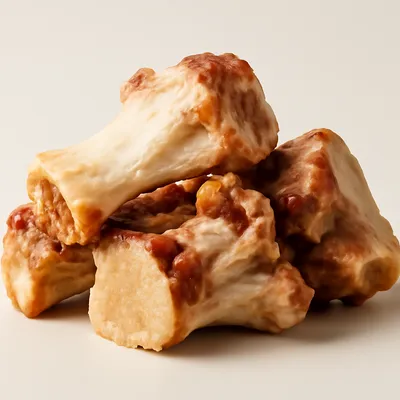
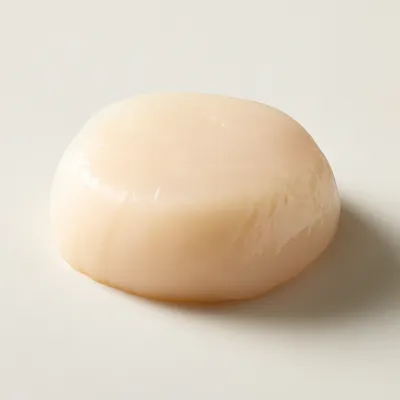
Hakodate shio ramen is the salt-seasoned ramen of Hakodate, a port city at the southern tip of Hokkaido, and the salt member of the island's three great ramen alongside Sapporo's miso and Asahikawa's shoyu. Its signature is a clear golden broth you can see the bottom of: pork bones and chicken carcasses are drawn together with a seafood dashi of kombu, dried fish, and sometimes scallop, then seasoned only with a pale salt tare, never soy or miso. The kelp is typically the local ma-kombu of the Hakodate coast — Japan's premier kombu ground — whose sweet, mellow glutamate is the broth's backbone. Over it lie thin, straight, low-hydration noodles and a restrained crown of toppings: sliced chashu, menma, scallion, and often a slice of pink-and-white kamaboko. It is the lightest and cleanest of Hokkaido's ramen, an elegant counterpoint to the rich miso and lard-capped bowls inland.



Hakodate was one of the first Japanese ports opened to foreign trade in 1859, and Chinese cooks and merchants who settled there brought a clear, salt-seasoned noodle dish then called nankin soba (Nanjing noodles). The most-cited landmark is an advertisement run in the Hakodate Shimbun on 28 April 1884 by Yowaken, a Western-style restaurant whose proprietor was a Cantonese immigrant who had cooked for the British Consulate; it offered nankin soba for 15 sen, and is widely cited as among the oldest documented references to a Chinese noodle dish — a ramen ancestor — in Japan. No recipe survives to prove a direct line, so the bowl is treated as the prototype rather than literally the country's first ramen, but Yowaken's clear, lightly salted broth and Chinese noodles match exactly the clear-broth, thin-straight-noodle style that became Hakodate's house flavour. Salt suited the seafood-rich local palate and the prized ma-kombu of the surrounding coast, and the city has held to shio ever since, anchoring its corner of the Hokkaido ramen trinity.
A pale golden broth so clear you can read the bottom of the bowl, smelling faintly of the sea rather than of soy or fat. The first sip is clean and saline, light-bodied, with a sweet, round kombu umami that lingers without weight; chicken and pork sit underneath as quiet depth. The thin, straight noodles are firm and a touch dry, lifting the broth cleanly instead of going slippery. Roasted chashu is lean and gently smoky, menma crunches, kamaboko is mild and bouncy, and the scallion gives a fresh green snap. It is a bowl that tastes restorative — there is nowhere for an off-flavour to hide.
Salt tare is the barest of the ramen seasonings, so it hides nothing: the broth itself has to be genuinely clear and clean. That clarity is a matter of heat control. Pork bones, chicken carcasses, kombu, and dried fish are held at a bare, trembling simmer for eight to ten hours rather than a hard boil, so collagen and umami dissolve slowly while the fat and emulsifying proteins stay un-churned — exactly the opposite of the rolling boil that whips tonkotsu cloudy and white. With nothing emulsified the soup stays transparent and golden. The salt then sharpens the broth's own glutamate-inosinate umami without adding flavour of its own: the glutamate of the sweet local ma-kombu multiplies with the inosinate of chicken, pork, and dried fish, so the two together read far more savoury than either alone, where a coat of soy or miso would simply mask that delicate marine sweetness. The thin, low-hydration straight noodle is chosen to match — dense and quick to cook, it carries the light broth without clouding it or dragging it down.
Variations
Hakodate's bowl is the canonical shio, and within the city each old shop guards its own salt tare and its own balance of land and sea. Some lean on scallop, dried fish, or extra kombu for a more pronounced marine edge; others keep a quieter chicken-and-pork line. Beyond Hakodate, salt tare anchors lighter, often chicken-forward modern bowls across Japan, where it has become the seasoning of choice for showing off a delicate seafood or poultry stock. The same clear broth seasoned with soy becomes shoyu ramen; thickened by hard-boiling pork-bone collagen it edges toward tonkotsu; loosened with fermented bean paste it becomes miso. Toppings stay restrained, though some bowls add menma, a soft egg, spinach, or a second slice of kamaboko.
On the Palate
Where Hakodate Shio Ramen sits in the Japanese flavor cloud
Ingredients
Serves 2


How it's made
8 steps · 40 min
- 160 min
Soak the kombu and dried fish in cold water for an hour to begin drawing a clear seafood dashi.
- 22 min
Blanch the pork bones and chicken carcasses in boiling water for a minute, then drain and rinse off the scum.
- 310 min
Cover the bones with fresh cold water, bring to a bare simmer, and skim off every trace of foam.
Watch outBring to a bare simmer and skim off every trace of foam — clarity starts here, and the barest shio tare hides nothing.
- 4540 min
Hold at a gentle, never-boiling simmer for eight to ten hours, watching the heat so the broth stays clear, adding the soaked kombu and dried fish for the last hour.
Watch outHold at a gentle, never-boiling simmer for eight to ten hours — a rolling boil churns the fat and proteins in and turns the soup cloudy instead of clear gold.
- 510 min
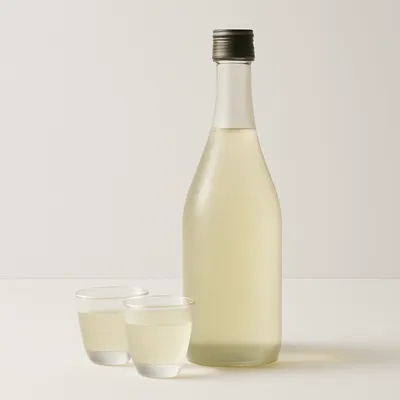
Make the shio tare: warm sea salt with a little sake and mirin, steep with a piece of kombu and a pinch of dried scallop, then strain.
- 65 min
Strain the finished stock through a fine sieve so it stays transparent, and keep it hot.
Watch outStrain through a fine sieve to keep it transparent — any solids clouding it defeat the whole clear-broth style.
- 78 min
Boil the thin straight noodles to a firm bite, drain hard, and slice the chashu and prepare the toppings.
- 82 min
Spoon the shio tare into each warmed bowl, pour in the clear hot stock, lift in the noodles, and top with chashu, menma, scallion, and a slice of kamaboko.
Archive tool suggestions — not reviewed
These legacy suggestions have not been evidence-reviewed and are not presented as required tools.


