
Sano Ramen is the signature clear shoyu ramen of Sano, a small city in Tochigi Prefecture north of Tokyo, in the Kanto region. The broth is a light, almost translucent soy ramen built on chicken stock (sometimes with a little pork bone), tasting even cleaner and gentler than nearby Kitakata. What truly sets it apart is the noodle: aodake-uchi, kneaded by hand under a long green bamboo pole. The maker straddles the pole and rocks their whole body weight along it to press and fold the high-hydration dough, producing flat, irregular, wavy strands with a soft yet springy chew. Sano is a designated ramen town, and locals credit the area's soft spring water for both the noodles and the limpid broth. The bowl is finished simply with chashu, menma, naruto fish cake, scallion, and often a little spinach.




Sano's noodle tradition is traced to the Taisho era, when a Chinese cook working at a Western-style restaurant in Sano (recorded as Ebisu Shokudo) is said to have introduced the bamboo-pole noodle method, adapting a Chinese hand-noodle technique. A local cook who learned the craft is credited with opening one of the first dedicated ramen shops around the early Showa years. The dish took root through the town's textile boom, when busy mill workers relied on ramen delivery, and by early Showa a town of some fifty thousand people supported well over a hundred ramen shops. In 1986 the Sano Ramen Association was formed, and the city has since promoted the bamboo-pressed noodle as its emblem; a 2022 national local-ramen poll named Sano Ramen the country's favorite. The exact name of the original Chinese cook is not firmly documented across sources and is best left unstated.
First comes the noodle: flat, wavy and uneven, the strands fluttering like wonton skin and catching the broth in their folds. The chew is soft and yielding yet bounces back, never hard or brittle. The soup is the opposite of heavy: a clean, limpid soy broth, the umami restrained and layered rather than punchy, leaving no weight behind after the bowl is done. Chashu, menma, naruto and scallion sit lightly on top. Done well it is balanced and refreshing; done poorly it slides into thin and watery, because the appeal here is in delicacy, not richness.
The noodle is the science. Hand-pressed Sano dough runs to an unusually high hydration of 45-50 percent water (against 37-38 percent for an ordinary noodle), so the gluten network is slack and the starch fully wetted, giving a strand that boils up springy and supple instead of stiff. Riding the bamboo pole laminates and folds the dough under heavy body weight, working air pockets into it; because the moisture and trapped air conduct heat fast, the noodles cook through far quicker than their thickness suggests, before they can overhydrate and turn soft. The deliberately irregular width gives each strand a mix of firmer cores and thinner ribbon edges, so a single mouthful carries several textures. The clear soy broth leans on umami synergy: glutamate from the soy tare meeting inosinate from chicken (and any pork) bones, the two multiplying to a savor far beyond either alone. Because the broth is kept light and low in fat, that glutamate-plus-inosinate backbone has to carry the bowl, and the local soft water, low in the calcium and magnesium that mute extraction and cloud a stock, lets the broth stay clear and the flavors read clean.
Variations
While the clear chicken-shoyu broth and bamboo-pressed noodle define the style, individual shops vary the balance: some lean almost wonton-thin and fluttery in the noodle, others cut a slightly sturdier strand; some add pork bone or a touch of niboshi to the stock, others keep it purely chicken. Many modern shops now use a noodle machine rather than the bamboo pole, though dozens of Sano makers still press by hand. Toppings can extend to a soft egg or extra spinach, and the same broth and noodle appear in chilled summer bowls and tsukemen dipping form.
On the Palate
Where Sano Ramen sits in the Japanese flavor cloud
Ingredients
Serves 4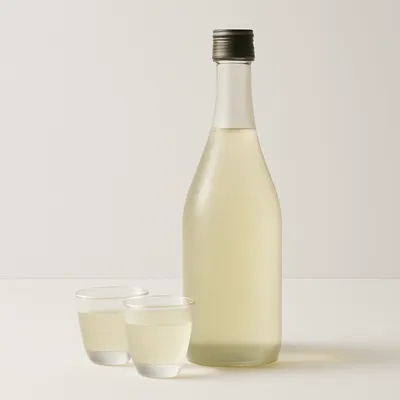


How it's made
8 steps · 1 hour 30 min
- 1240 min
Make the broth: blanch chicken bones (and pork bones if using) in boiling water, rinse off the scum, then simmer with kombu and a little scallion in fresh soft water for about 4 hours, keeping it at a bare tremble so the soup stays clear; strain.
Watch outKeep the broth at a bare tremble for the whole four hours — a hard boil emulsifies the fat and clouds the soup; barely-simmering is what keeps this shoyu broth clear.
- 210 min
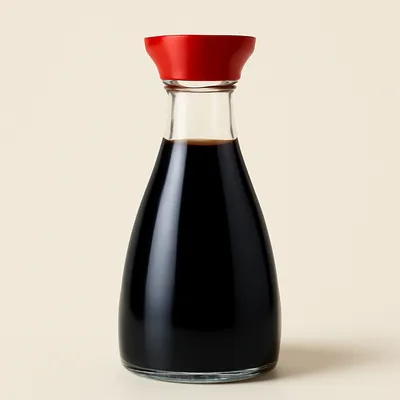
Make the soy tare: gently warm soy sauce with mirin and sake until the alcohol cooks off, then set aside to season each bowl.
- 325 min
Make the aodake-uchi dough: mix bread flour with salted water to a very high hydration, bring it into a stiff mass, then press and fold it repeatedly under a long bamboo pole (or a heavy rolling pin), riding your weight along it until smooth and elastic.
- 415 min
Rest the dough briefly, roll it out flat, fold and hand-cut into deliberately irregular, flat wavy strands; dust with flour.
- 515 min
Prepare toppings: slice the chashu, drain the menma, slice the naruto, blanch the spinach, and finely chop the scallion.
- 65 min
Combine soy tare with hot broth in each warmed bowl and taste for balance.
- 73 min
Boil the fresh noodles in plenty of hard-rolling water for about 1 to 2 minutes until springy, then drain well.
Watch outBoil the high-hydration noodles only one to two minutes until springy — the slack, wet, air-worked dough cooks through fast, and past that it over-hydrates and goes soft.
- 82 min
Settle the noodles into the broth, arrange chashu, menma, naruto, spinach and scallion on top, and serve at once.
Archive tool suggestions — not reviewed
These legacy suggestions have not been evidence-reviewed and are not presented as required tools.


