
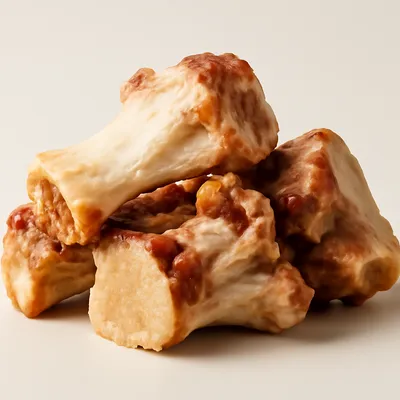
A regional shoyu ramen from Kitakata, a small city in Fukushima Prefecture, counted alongside Sapporo and Hakata as one of Japan's 'three great ramen.' The defining feature is the noodle: a flat, broad, curly strand about 4 mm wide, made with high water content and aged before cooking (hira-uchi jukusei taka-suimen), which gives it a soft-yet-springy chew. The broth is a clear soy-sauce soup, most often built on niboshi (dried sardines) with pork bones, lighter and gentler than the city's noodle would suggest. Toppings are spare and traditional: chashu, menma bamboo shoots, scallion, and naruto fish cake. Kitakata is also known for its asa-ramen, the local custom of eating ramen first thing in the morning.




Kitakata's ramen is traced to Genraiken, a Chinese eatery opened in the city in the 1920s, whose founder, a Chinese immigrant, is generally credited with introducing the wheat-noodle 'shina soba' that local shops adapted. The city's soy-sauce industry — Kitakata is also a storehouse and brewing town — gave the broth its natural seasoning base. The flat, high-water, aged noodle became the regional signature as shops multiplied; at the 1980s peak the town of roughly 30,000 people supported over 120 ramen shops, among the highest per-capita figures in Japan. The asa-ramen (morning ramen) habit is said to have grown up naturally among night-shift and farm workers who ate a bowl before or after their shift, and survives today in shops that open at dawn.
The first thing you notice is the noodle — wide, wavy, slithery ribbons that hold the light soy broth in their curls and chew with a soft, almost mochi-like give rather than a hard snap. The soup is restrained and clean: soy savoriness up front, a quiet dried-sardine depth underneath, very little fat. Chashu, menma, and scallion sit lightly on top. A good bowl tastes balanced and refreshing; a poor one tastes flat and watery, because the broth leans on subtlety rather than richness.
The noodle is the engineering. A high water ratio (taka-suimen) plus a long rest (jukusei) lets the dough's gluten relax and the starch fully hydrate, so the flat strand cooks up springy and slippery and clings to broth in its curls rather than going limp. The clear broth relies on umami synergy: glutamate from the soy-sauce tare meeting inosinate from the niboshi (dried sardine) and pork bones, the two compounds amplifying perceived savoriness far beyond what either gives alone. Because the soup is deliberately low in fat, that glutamate-inosinate backbone is what carries the flavor — which is why a thin niboshi stock or a careless tare leaves the bowl tasting hollow.
Variations
Although shoyu (soy) is the classic base, individual shops range widely: some lean harder on niboshi for a sharper dried-fish edge, others add more pork bone for body, and a few make a richer back-fat 'chacha-kei' bowl with floating pork fat. Miso and shio versions exist but are minority. The flat aged noodle, however, is the constant that marks a bowl as Kitakata, whatever the soup. Kitakata's style sits within Japan's 'three great ramen' beside the miso-and-lard richness of Sapporo and the cloudy pork-bone tonkotsu of Hakata.
On the Palate
Where Kitakata Ramen sits in the Japanese flavor cloud
Ingredients
Serves 4


How it's made
8 steps · 45 min
- 130 min
Make the noodles (or buy fresh flat curly ramen): mix wheat flour with a high ratio of water and kansui alkaline solution, knead, then rest the dough cold for several hours to a day so it matures and the gluten relaxes.
Watch outRest the high-water dough cold for hours to a day — the long rest lets the gluten relax and the starch hydrate, so the flat strand cooks up springy and slippery.
- 220 min
Roll the dough flat and cut into broad, roughly 4 mm wide ribbons; crimp lightly to encourage the curl, then set aside.
- 3240 min
Build the broth: simmer pork bones with a generous handful of niboshi (dried sardines), plus aromatics, skimming, for a clear light stock; strain.
- 410 min
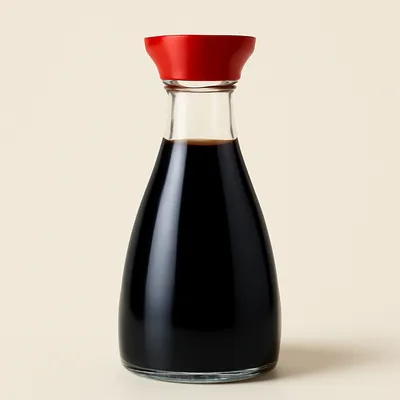
Make the tare: combine soy sauce with a little mirin and sake and warm gently to round it off.
- 515 min
Prepare toppings: slice chashu, ready the menma bamboo shoots, slice naruto fish cake, and finely chop scallion.
- 65 min
Spoon tare into each warmed bowl, then fill with the hot strained broth and taste for balance.
- 75 min
Boil the flat noodles briefly until springy, drain well, and lift into the bowls.
Watch outBoil the flat noodles only briefly until springy, then drain well — this broth is deliberately lean, so limp overcooked noodles have nothing to hide behind.
- 83 min
Arrange chashu, menma, naruto, and scallion on top and serve immediately.
Archive tool suggestions — not reviewed
These legacy suggestions have not been evidence-reviewed and are not presented as required tools.


