
Asahikawa ramen is the soy-sauce (shoyu) ramen of Asahikawa, a cold inland city in central Hokkaido, and one of the island's three great ramen styles alongside Sapporo's miso and Hakodate's shio. Its defining trait is a thick film of melted lard sealing the soup surface, a deliberate answer to winters that fall well below -20 degrees C — the fat caps the heat so the bowl stays scalding to the last mouthful. The broth is a 'double soup' that marries pork and chicken bones with a seafood dashi of niboshi (dried sardine and horse mackerel) and kombu, blending land and sea umami in a way that became the local signature. The noodles are low-hydration, wavy medium-thin strands that drink up the oily, dark broth rather than going slippery.




Asahikawa's ramen grew out of the postwar street-stall trade in this railway and garrison town, and two shops founded in 1947 (Showa 22) are repeatedly named as its fountainhead. Hachiya opened that December under Kato Edanao — the name carried over from his earlier honey ice-cream stall — and built its bowl on a 'double soup' of pork bone and horse-mackerel niboshi crowned with scorched lard (kogashi lard), made by browning backfat and bonito-family flakes until tar-dark for a smoky depth. Aoba began the same year from a yatai and is credited as the trailblazer that fixed the dark-shoyu profile as Asahikawa's signature. The low-hydration wavy noodle, suited to clinging to an oily broth in the cold, is attributed to Kato Edanao and his elder brother Kato Kumahiko; from these stalls the style spread across the city. Asahikawa's bone-chilling winters are usually given as the reason the lard cap and the heat-trapping design took hold here.
A dark, glossy broth with no steam rising — the lard cap holds it down — that hits the lips searing hot and stays that way. The flavor is layered: a deep, slightly smoky shoyu richness from pork and lard up front, then a low briny hum of dried fish underneath. The wavy medium-thin noodles are firm and a touch chewy, dragging up oil and dark tare with every pull. Chashu, menma and scallion ride on top of a surface that gleams like lacquer.
Three pieces make the bowl work in deep cold. First, heat retention: a thick layer of melted lard floats on the soup and physically caps convection and evaporation at the surface, so a bowl carried through a sub-zero shop loses heat far more slowly than a bare broth — the same insulating trick as fat on a stew. Second, depth from a double soup: pork and chicken bones contribute inosinate and gelatin while niboshi and kombu add glutamate, and because glutamate and inosinate together amplify perceived umami far beyond either alone (umami synergy), the meat-plus-seafood blend tastes rounder than the sum of its stocks; Hachiya's lard is further scorched so browned, fat-soluble Maillard compounds lend a smoky note. Third, the noodle: at a low hydration of roughly 27 to 32 percent the dough is dense and firm, giving a denser bite that resists going soggy and a rougher surface that clings to the oily, dark broth instead of sliding clean.
Variations
Within the city the balance shifts shop to shop: Hachiya leans on heavily scorched lard for a smoky punch, while Aoba keeps a cleaner, lighter shoyu line; some bowls push the pork side, others the fish side of the double soup. Beyond the classic shoyu, Asahikawa shops also serve shio and miso versions, and many sell dried take-home kits that have carried the style nationwide. The lard layer can run from a thin slick to a heavy seal, and toppings stay simple — chashu, menma, negi, sometimes a slice of naruto.
On the Palate
Where Asahikawa Ramen sits in the Japanese flavor cloud
Ingredients
Serves 2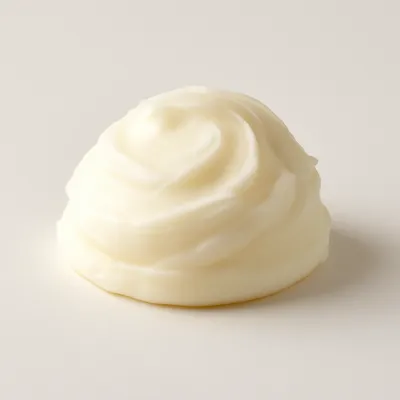


How it's made
7 steps · 40 min
- 160 min
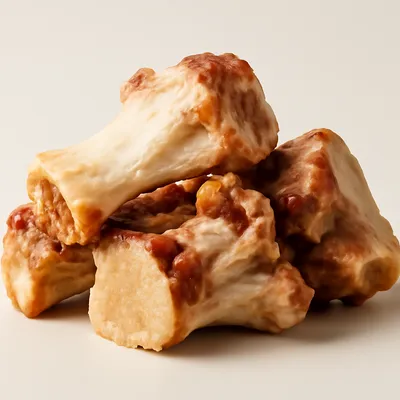
Soak niboshi (heads and guts removed to cut bitterness) and kombu in cold water for an hour to draw a seafood dashi.
- 2480 min
Simmer pork and chicken bones for about 8 hours, skimming scum, to build a rich base stock.
Watch outSimmer the bones about eight hours, skimming scum — a long low cook is what dissolves the gelatin that later carries the bowl's body.
- 315 min
Combine the bone stock with the niboshi-kombu dashi to make the double soup, and warm together.
- 420 min
Render chopped backfat, then brown it hard with a little bonito flake until dark and smoky to make scorched lard.
Watch outBrown the backfat hard with bonito until dark and smoky — that scorched lard is the whole point; it caps the bowl and slows heat loss in the deep cold.
- 515 min
Make the tare by simmering dark soy sauce with mirin and sake, then season the hot double soup to taste.
- 68 min
Boil the low-hydration wavy noodles to a firm bite and drain hard.
Watch outBoil the low-hydration wavy noodles to a firm bite and drain hard — soft noodles go limp fast under that fatty cap.
- 73 min
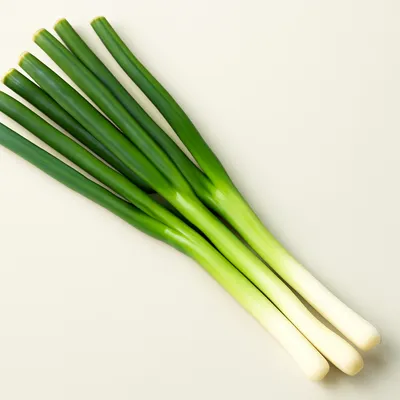
Lay the noodles in the seasoned broth, top with chashu, menma and negi, and float a generous ladle of the scorched lard over the surface.
Archive tool suggestions — not reviewed
These legacy suggestions have not been evidence-reviewed and are not presented as required tools.


