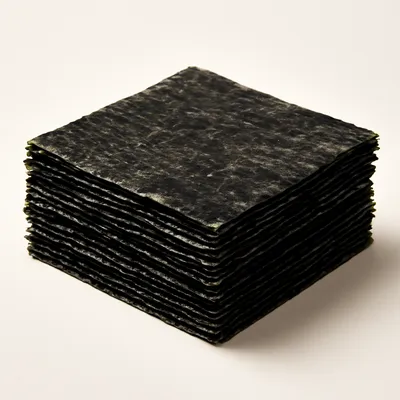
Kumamoto ramen is a Kyushu tonkotsu ramen built on a long-boiled pork-bone broth, usually cut with chicken bones so it lands milder and rounder than Hakata's pure pork funk. Its signature is mayu, a black burnt-garlic oil floated over the bowl, backed by a scatter of crisp fried garlic chips that give the soup a deep toasted aroma. The noodles are a medium-thick, fairly straight type with more chew than Hakata's hair-thin strands, and they hold the heavier broth well. Standard toppings are sliced chashu, kikurage wood-ear, soft egg, scallion, and a sheet of nori. The black oil slick and roasted-garlic smell are the things that tell a Kumamoto bowl apart at a glance.




Kumamoto ramen branches off the Kurume tonkotsu line, the Fukuoka style usually treated as the birthplace of pork-bone ramen. The pivot was Tamana: in 1952 a Kurume yatai called Sankyu was moved into Tamana City, and three young men from Kumamoto were so struck by it that they opened shops of their own back in the city. Kimura Hajime started Shoyoken in 1953, Yamanaka Yasutoshi opened Komurasaki in 1954, and Keika followed in 1955, the three founding houses usually named for the style. The defining black garlic oil, mayu, is credited to Liu Tan Hsiang, a Taiwan-born cook working at Keika around 1955, who adapted a Taiwanese seasoning oil; Komurasaki is separately credited with first pairing fried garlic chips with roasted garlic. Liu later left to found the Ajisen chain, and the burnt-garlic profile spread with it.
The first thing you get is the burnt-garlic smell, smoky and almost coffee-dark, riding on a thick, glossy broth that coats the lips with pork collagen. The soup is rich but rounded, less sharp than Hakata, and the crisp garlic chips add crackle against the slippery noodles. The medium-straight noodles chew with real spring, and the chashu and soft egg pull the saltiness back toward sweet.
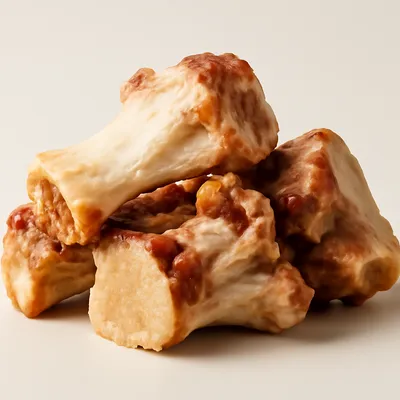
The broth's body comes from boiling pork bones hard for hours: collagen hydrolyzes into gelatin while marrow fat and crushed bone are churned into a stable oil-in-water emulsion, the same mechanism that turns the liquid opaque and white. Blending in chicken bones lowers the proportion of the strong-smelling pork compounds, which is why Kumamoto reads milder than an all-pork Hakata broth. Mayu is the signature: garlic is fried in lard or oil until parts of it scorch, driving Maillard browning and pyrolysis of the sugars and sulfur compounds in garlic into dark, bitter-roasted, deeply aromatic molecules; ground to a near-paste, it floats as a black slick that the hot broth carries into every sip. Frying also tames raw garlic's allicin, trading pungency for toasted depth.
Variations
Nearby Tamana ramen is treated as the older, more rustic cousin, with a stronger raw-garlic hit and often no mayu. Within Kumamoto, shops differ on how dark to burn the garlic oil, from a light toasted brown to a near-black bitter slick. Keika is known for a tare-kumamoto build and for a tarou version topped with a layer of stir-fried pork and greens; many bowls add bean sprouts or menma, and some use ground or grated raw garlic alongside the fried chips.
On the Palate
Where Kumamoto Ramen sits in the Japanese flavor cloud
Ingredients
Serves 4

How it's made
8 steps · 40 min
- 112 min
Blanch pork and chicken bones in boiling water for ten minutes, then scrub off any dark blood and scum and rinse clean.
- 2480 min
Cover the bones with fresh water and boil hard at a rolling boil for at least eight hours, topping up water and skimming, until the broth turns opaque and milky.
Watch outBoil the bones hard at a rolling boil for hours until the broth turns opaque and milky — a gentle simmer stays clear and thin, never emulsifying white.
- 390 min
While the broth cooks, braise the chashu pork low and slow in soy sauce, mirin, and aromatics, then let it rest and slice.
- 420 min
Make the mayu: gently fry minced garlic in lard until golden, pull out half for chips, keep frying the rest until dark and scorched, then blend the dark garlic with its oil into a black paste.
Watch outFry the mayu garlic until dark and scorched, just short of burnt — that near-burnt bitterness is the whole smoky-black signature; too pale and it's flat.
- 515 min
Soft-boil the eggs for about six and a half minutes, chill, peel, and steep in a little of the chashu soy liquid.
- 65 min
Cook the medium-straight ramen noodles in plenty of boiling water until just firm, then drain well.
Watch outCook the noodles just firm and drain well — they keep softening in the hot broth, so a shade under is right.
- 73 min
Season each bowl with tare and a ladle of hot broth, add the drained noodles, and float a spoon of mayu on top.
- 83 min
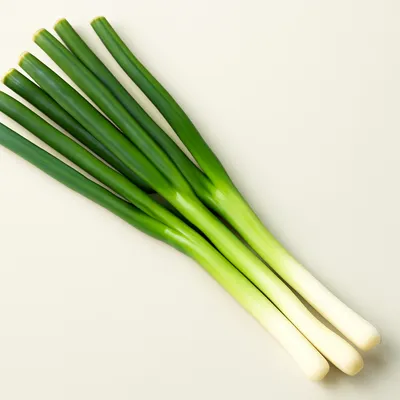
Arrange chashu, kikurage, halved egg, scallion, fried garlic chips, and nori, and serve at once.
Archive tool suggestions — not reviewed
These legacy suggestions have not been evidence-reviewed and are not presented as required tools.