Shippoku udon is Kagawa Prefecture's winter way with udon: hot noodles in a niboshi (dried sardine) broth, ladled over with a simmered medley of autumn and winter root vegetables — daikon, carrot, taro (sato-imo), burdock — together with shiitake, aburaage, and usually chicken or fish kamaboko. It is the seasonal counterpoint to the cold, sauce-dipped Sanuki udon of summer: where summer udon is bare and chilled, the winter bowl is warming and crowded with vegetables, cut from one simmered pot of stock and ladled over the noodles together. In Kagawa it is a standard menu from autumn through about March, and in some households it stands in for the year-end soba. The name is written 卓袱, the same characters as Nagasaki's shippoku banquet style, from which the dish is generally said to take its name.


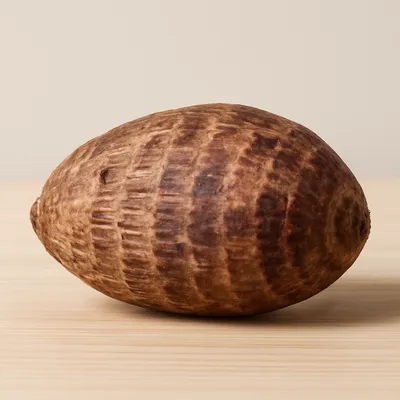
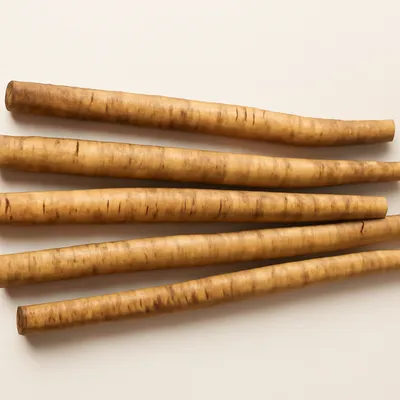
Sanuki — present-day Kagawa — has long been Japan's foremost udon country, with little rainfall, a warm climate suited to wheat, abundant salt, and the dried sardines of nearby Ibuki Island for stock; an Edo-period folding screen of the Kompira festival procession already shows udon shops, marking how early the noodle took hold here. Shippoku udon is the cold-season form of that culture, eaten from early autumn into winter when daikon, carrot, taro and other roots are in season and can be simmered down together into one pot. The name is written with the characters 卓袱; it is most commonly traced to Nagasaki's shippoku-ryori, the shared-table banquet style whose abundant noodle dishes are said to have lent the bowl its name, though other accounts circulate locally, including one tracing shippoku to shippoko, an old hunters' word for the long-tailed pheasant once used as a topping. The etymology is not settled.
The broth is light and clear but deeply savory, sweet with simmered root vegetables and salty-fragrant from dried sardine; the noodles beneath are the thick, smooth Sanuki kind, firm and chewy. Each spoonful carries something different — soft daikon that has drunk the stock, earthy taro turned silky, a slip of sweet carrot, the give of shiitake, the soak of aburaage. It eats warm and homely, a whole bowl of winter vegetables loaded over noodles rather than a spare summer dish.
The bowl rests on two things. First, the dashi: the signature Sanuki base is iriko, the dried sardine, whose dominant savory compound is inosinic acid (inosinate); simmering the autumn roots into that stock layers in glutamate, and the two nucleotide-and-amino-acid umami sources multiply each other rather than merely adding, the synergy that makes a thin, fat-free broth taste full. Root vegetables suit long simmering because their cell walls, stiffened by pectin and structural sugars, soften slowly and turn the dense flesh of daikon and taro yielding while letting their sugars diffuse out into the liquid. Second, the noodle: Sanuki udon's chew, its koshi, comes from gluten — wheat protein worked into an elastic network by kneading and the traditional foot-treading of the dough, tightened further by salt and developed by a rest, so the strand holds a firm, springy bite even after it sits in hot broth.
Variations
Composition varies widely by household and shop: common additions and swaps include chicken (kashiwa) or, in some kitchens, a little beef, fish kamaboko, fried tofu, Sakaide's deep-red kintoki carrot, konnyaku, and greens. The dashi may be made from iriko, bonito, kombu or a blend. As a cold-weather, vegetable-heavy udon it sits alongside Sanuki's other bowls — kake and bukkake in warmer months, and the chilled, dip-style summer Sanuki udon to which it is the seasonal opposite.
On the Palate
Where Shippoku Udon sits in the Japanese flavor cloud
Ingredients
Serves 4


How it's made
7 steps · 30 min active + 15 min waiting
- 115 min
Make the dashi: soak a handful of niboshi (dried sardines) in water, then bring slowly to a gentle simmer and let infuse; strain out the fish (remove heads and guts first if you prefer a cleaner stock).
Watch outBring the niboshi up slowly to a gentle simmer, never a hard boil — a rolling boil pulls bitterness and fishiness out of the dried sardines and muddies the clear stock.
- 210 min
Peel and cut the daikon, carrot, taro and burdock into bite-size pieces; soak the cut burdock briefly in water. Rehydrate and slice the shiitake; cut the aburaage into strips and the chicken into bite-size pieces if using.
- 312 min
Simmer the firmer roots — daikon, carrot, taro, burdock — in the dashi until just tender.
Watch outSimmer the firmer roots first until just tender — daikon and taro take longer, so starting them early lets everything finish together without turning to mush.
- 48 min
Add the shiitake, aburaage and chicken and continue to simmer until everything is cooked through.
- 52 min
Season the broth with soy sauce, a little mirin and salt to a light, savory kake-style balance.
- 68 min
Boil the udon in a separate large pot of water until tender, then drain.
- 72 min
Divide the hot noodles among bowls, ladle over the simmered vegetables and broth, and finish with chopped negi.
Archive tool suggestions — not reviewed
These legacy suggestions have not been evidence-reviewed and are not presented as required tools.