
Toyama Black is a ramen defined by its colour: a jet-black, intensely salty soup built on a very dark soy-based tare, shocking against the pale noodles. It is finished with a heavy snow of coarse black pepper, thick slices of chashu, raw chopped white onion or scallion, and sometimes menma, and it is built to be eaten with a bowl of plain white rice on the side. The broth itself is comparatively light; it is the tare and pepper that carry the punch, making the dish more of a savoury topping for rice than a sip-the-soup bowl. It is the soul food of Toyama city and one of Japan's most recognisable regional ramen.




Toyama Black traces to the shop Nishicho Taiki in central Toyama city, opened in 1947 by founder Takahashi Seikan in the lean reconstruction years after the wartime air raids that had levelled much of the city. Manual labourers rebuilding Toyama carried packed rice and rice balls to work, so Takahashi devised a deliberately strong, dark, chashu-laden chuka soba meant to be an okazu (a savoury side for rice) and to replenish the salt those workers sweated out. The blackness and aggressive salt were the whole point. The dish stayed a local quirk for decades; the name Toyama Black is said to have stuck only around the year 2000, after a Tokyo television crew filmed and broadcast it under that label, after which black-soup shops multiplied across the prefecture.
The smell hits first: toasty soy and a sharp bite of black pepper. The soup is startlingly salty and savoury, almost briny, with the dark roasted edge of long-reduced soy, and it is meant to be chased with rice that instantly tames it. Coarse pepper crunches and prickles on the tongue; raw onion adds a sweet, sharp crackle; the chashu is fatty and tender, the noodles thick and chewy enough to stand up to the punishing tare. On its own it is almost too much, which is exactly why the bowl of rice is non-negotiable.
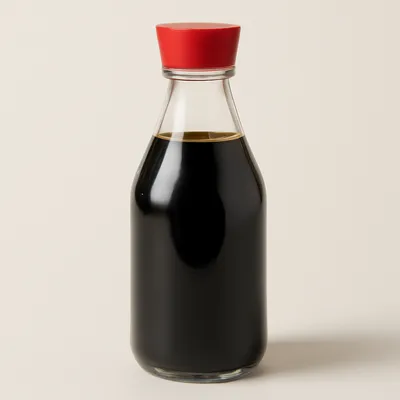
The colour and force come almost entirely from the tare, not from long bone-boiling. The tare is a dark soy sauce cooked down and concentrated, sometimes deepened with caramelised soy solids, so the bowl reads black and delivers a heavy hit of sodium and the roasted, slightly bitter notes of reduced shoyu and Maillard browning. A relatively light chicken-and-pork or chuka soup is then poured over a generous pool of this tare, which is why the broth tastes far saltier than it looks thin. Coarse black pepper layers in piperine heat and aroma on top, and the high salt load is precisely calibrated to be neutralised by plain rice, the way a salty side dish is.
Variations
The original Nishicho Taiki style is famously austere and brutally salty, almost a seasoning to be eaten with rice; many newer shops soften it, balancing the soy with more body so the soup can be drunk on its own. Common additions and tweaks include extra raw onion, a soft-boiled egg, more menma, and ramping the black pepper up or down. Beyond the bowl, Toyama Black has spawned a small industry of spin-offs: instant cup noodles, black fried rice, black gyoza, and even black-soy snacks and soft-serve sold around the prefecture as local novelties.
On the Palate
Where Toyama Black Ramen sits in the Japanese flavor cloud
Ingredients
Serves 2

How it's made
7 steps · 40 min active + 50 min waiting
- 125 min
Make the black tare: simmer dark soy sauce with mirin, a little sugar and aromatics until reduced and glossy-dark, then let it sit so the flavour deepens.
Watch outThe tare is ready when it turns glossy-dark and coats a spoon; let it rest to deepen.
- 260 min
Simmer a light stock from chicken bones and pork, skimming the surface, for about 1 hour; keep it clean and not too rich.
- 350 min
Braise a rolled pork-belly chashu in soy, mirin and sake until tender, then slice it thick.
- 48 min
Boil thick, firm ramen noodles to a chewy bite, then drain them well.
- 52 min
Ladle a generous pour of the black tare into each bowl, then fill with the hot stock and stir to combine.
Watch outPour a generous ladle of tare first, then the hot stock, and stir so it doesn't sit at the bottom.
- 63 min
Add the noodles, then top with thick chashu, a heavy pinch of coarse black pepper, raw chopped white onion or scallion, and menma.
- 71 min
Serve immediately with a separate bowl of plain hot white rice for chasing the salty soup.
Archive tool suggestions — not reviewed
These legacy suggestions have not been evidence-reviewed and are not presented as required tools.


