
A bracing udon of the Sakaki area in northern Nagano, dipped not in dashi broth but in the raw, pungent juice wrung from grated spicy daikon, into which miso and aromatics are stirred. The radish used is the local nezumi-daikon, a small, knobby, fiercely hot variety; its squeezed juice (the oshibori, literally the wrung liquid that gives the dish its name) is sharp and clearing, with a sweetness that follows the burn. Cut off from the sea and from cheap sugar, old Shinshu kitchens leaned on local miso and this hot radish for flavor instead of kombu-and-bonito stock.



Oshibori udon comes from Sakaki-machi (Hanishina district) and its surroundings, where the prized nezumi-daikon grows. The combination of spicy radish juice and Shinshu miso (rice miso) spread between the Edo and Meiji periods. The reasoning was practical: landlocked Shinshu had poor access to the kombu and bonito needed for dashi, and sugar and mirin were expensive luxuries, so the cook reached instead for Shinshu miso and the squeezed juice of locally grown nezumi-daikon to build a dipping sauce. Locals describe the radish's flavor as amamokkura — a sharp heat that turns to lingering sweetness.
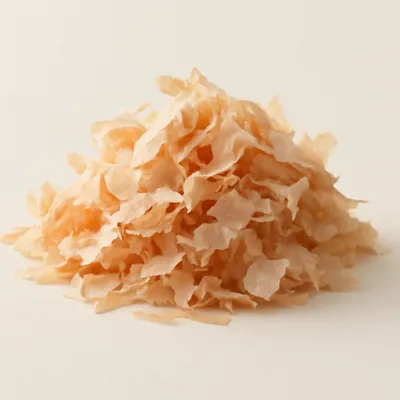
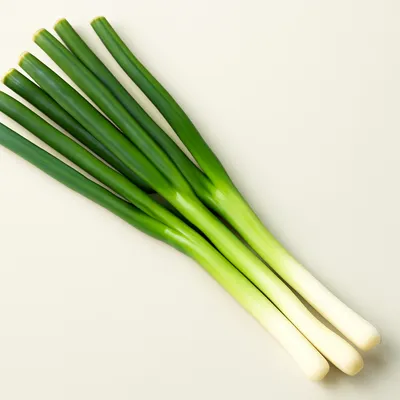
The first dip is a shock of clean radish heat that rushes up the nose, quickly tempered by the salty depth of miso and a sweetness that rises behind the burn. The udon itself is plain, firm, and chewy, a neutral foil for the assertive sauce. Bonito flakes and chopped negi soften and round the edge. It is invigorating rather than comforting, a cold-weather dish that warms from the inside.
Everything rides on the radish: nezumi-daikon, like all daikon, generates its heat only when grated, as cell damage lets the enzyme myrosinase convert glucosinolates into the volatile isothiocyanate that stings the nose — so the oshibori must be freshly grated and wrung just before eating, since that compound degrades within minutes and the juice goes flat and merely sweet. Dissolving miso into the raw juice adds salt, glutamate umami, and body to a sauce that uses no cooked stock at all; the result is a dipping liquid built entirely from raw enzyme chemistry and fermented soybean.
Variations
The sauce is sometimes made with oshibori soba instead of udon, dipping cold buckwheat noodles into the same radish-miso juice. Proportions of miso to juice vary by household and by how hot the radish runs that season; bonito flakes, negi, and sometimes toasted sesame are standard add-ins. Where nezumi-daikon is unavailable, another hot karami-daikon is substituted, though locals insist the Sakaki radish is essential.
On the Palate
Where Oshibori Udon sits in the Japanese flavor cloud
Ingredients
Serves 2How it's made
7 steps · 20 min active + 10 min waiting
- 15 min
Wash the nezumi-daikon (or other hot daikon) and grate it finely on a fine grater, skin and all.
Watch outGrate the daikon fresh and fine just before eating — its nose-stinging heat forms only on grating and fades within minutes into flat sweetness.
- 23 min
Gather the grated radish in a cloth and wring out the juice into a bowl; this squeezed liquid is the oshibori.
- 32 min
Stir miso into the raw radish juice until dissolved into a dipping sauce; do not heat it.
Watch outDissolve the miso into the raw juice without heating it — any heat kills the pungency this cooked-stock-free sauce depends on.
- 43 min
Stir in bonito flakes and finely chopped negi; taste and balance the heat with a little more miso if very sharp.
- 58 min
Boil the udon until tender, then drain (and shock in cold water if serving cold).
- 61 min
Serve the noodles with the radish-miso dipping sauce, made fresh just before eating.
- 71 min
Dip each mouthful of udon into the sauce; eat promptly while the radish is still pungent.
Archive tool suggestions — not reviewed
These legacy suggestions have not been evidence-reviewed and are not presented as required tools.


