Small, bite-size Japanese sponge cakes baked in castella style — eggs, sugar, flour, and honey — in individual mini-loaf or fish shapes. A kissaten (old-style café) and dagashi-ya (cheap-sweet shop) classic, often served warm with tea. Baby castella are softer and lighter than full-size castella, with a more pronounced honey-egg flavor.


Baby castella emerged in the Showa era as a kissaten (old-style café) and dagashi-ya (cheap-sweet shop) treat. Full-size castella — a Portuguese import dating to Nagasaki in the 16th century — was the inspiration; bakers scaled the recipe down to bite-size portions for casual, individual consumption. The dish became a defining sweet of kissaten culture and of street festivals (matsuri), where mini castella are sold warm in paper bags. The distinctive shape (often a small fish or loaf) comes from the specialized molds used.
A baby castella is a small, golden sponge cake — soft, slightly springy, with a fine even crumb. The flavor is gentle: egg and honey dominant, with a hint of vanilla. The surface is often slightly caramelized. Eaten warm out of hand, often with green tea or coffee at a kissaten. The mini shape is part of the charm — fish-shaped versions are particularly iconic.
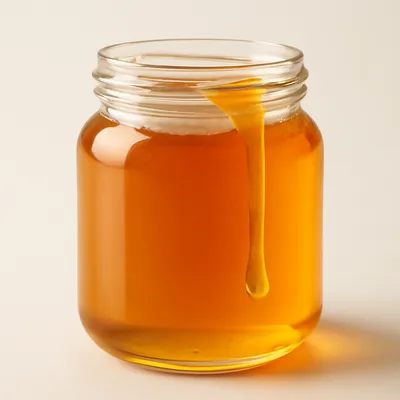
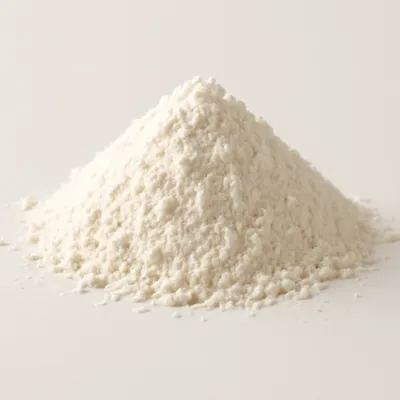
Baby castella's texture depends on foam-aeration. Eggs and sugar are beaten extensively until pale, thick, and tripled in volume — incorporating air that provides the cake's lift. Flour is folded in gently to preserve the air bubbles. Honey (and sometimes milk) adds moisture and tenderness, and contributes the characteristic golden color. The batter is poured into individual molds (often fish-shaped) and baked; the small size means quick, even baking. The result is softer and more delicate than full castella because the higher surface-to-volume ratio means the crust doesn't dominate.
Variations
Fish-shaped (taiyaki-style) and round versions are common; matcha and chocolate flavors exist.
On the Palate
Where Baby Castella sits in the Japanese flavor cloud
Ingredients
Serves 6How it's made
6 steps · 10 min
- 13 min
Preheat oven to 180°C; prepare mini-cake molds (greased).
- 28 min
Beat eggs and sugar extensively until pale and tripled in volume.
Watch outBeat the eggs and sugar extensively till pale and tripled in volume — all the lift comes from that whipped-in air; stop too soon and the cakes bake flat and dense.
- 32 min
Warm honey slightly; fold into the egg mixture.
- 43 min
Sift flour; fold gently into the batter until just combined.
Watch outFold the sifted flour in gently, just till combined — stir hard and you knock out the air you just beat in, and the crumb turns tough.
- 52 min
Pour batter into molds, filling about 70% full.
- 67 min
Bake 12-15 minutes until golden and a toothpick comes out clean; serve warm.
Archive tool suggestions — not reviewed
These legacy suggestions have not been evidence-reviewed and are not presented as required tools.


