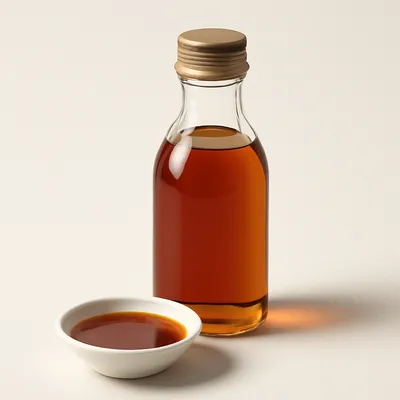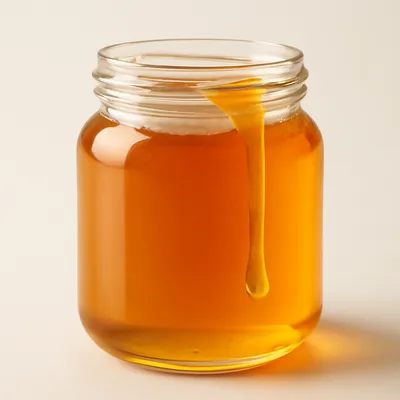
Liquid gold that sweetly binds flavors together.
Golden, viscous, and delightfully sweet; honey captivates with its floral notes and rich, syrupy texture. This natural sweetener brings warmth and depth, enhancing both sweet and savory dishes.
Where it comes from
Honey has been harvested since ancient times across diverse cultures, symbolizing sweetness and prosperity, and is often featured in religious and culinary traditions.
In the kitchen
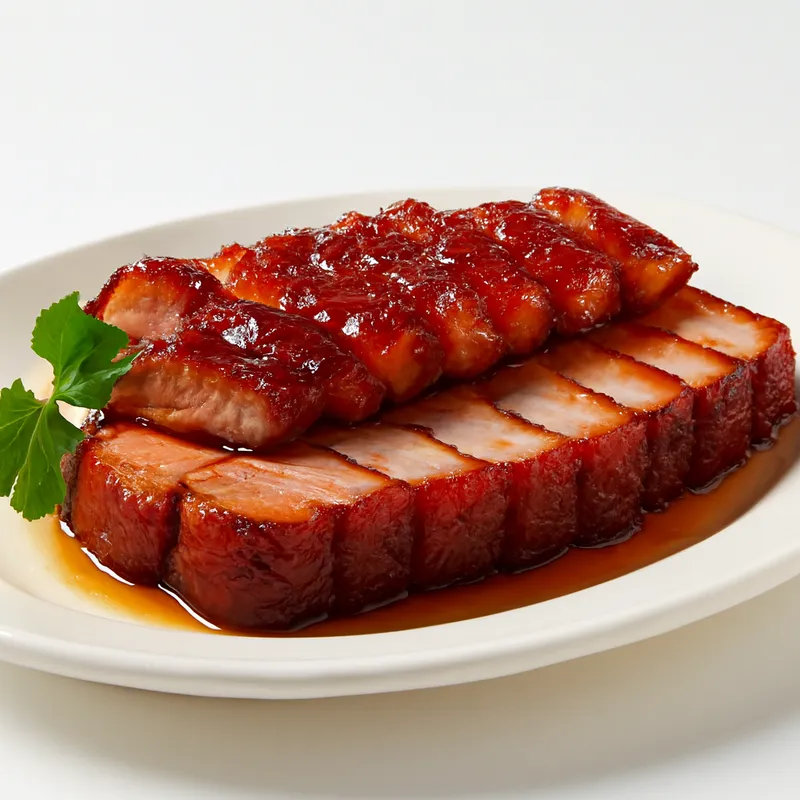
Used as a sweetener, glaze, or marinade, honey adds complexity and moisture to dishes, enhancing flavors while providing a natural sweetness.
Across cuisines
In Moroccan cuisine, honey is often combined with spices and used in preserving meats. Mrouzia, a lamb dish, is simmered with honey, saffron, and cinnamon, creating a sweet and aromatic profile. This method of using honey for preservation and flavoring is traditional in Moroccan cooking.
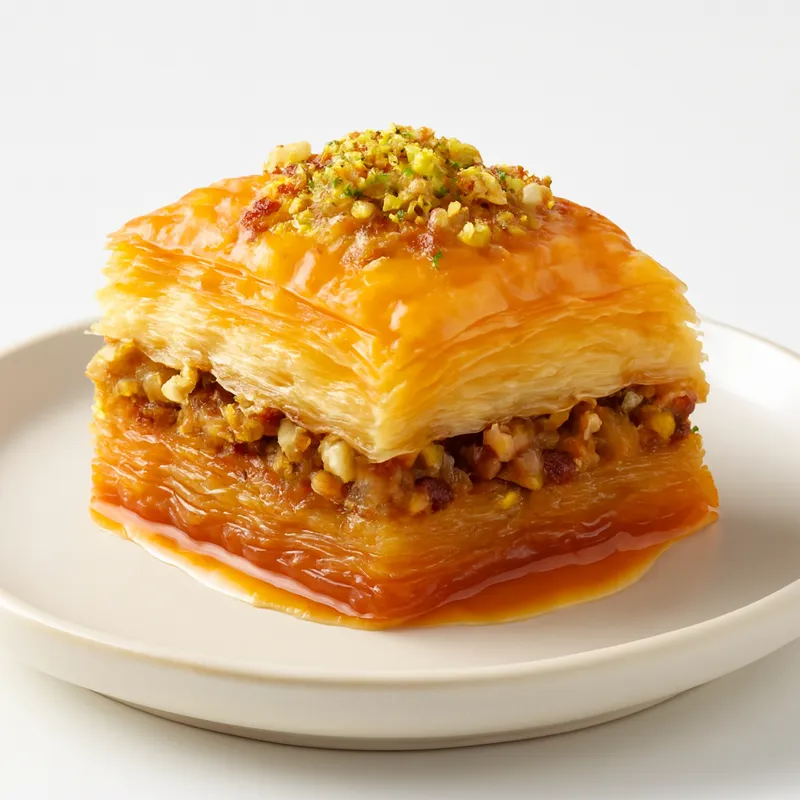
Middle Eastern desserts frequently use honey as a syrup, often infused with floral or spice notes. Baklava is drenched in a honey syrup that may include rose water or orange blossom, enhancing its sweetness and fragrance. The syrup is essential for the dessert's texture and flavor.
Middle Eastern desserts frequently use honey as a syrup, often infused with floral or spice notes. Baklava is drenched in a honey syrup that may include rose water or orange blossom, enhancing its sweetness and fragrance. The syrup is essential for the dessert's texture and flavor.
Nutrition (per 100g)
AI-estimated; model and run unavailable.
Pairs well with