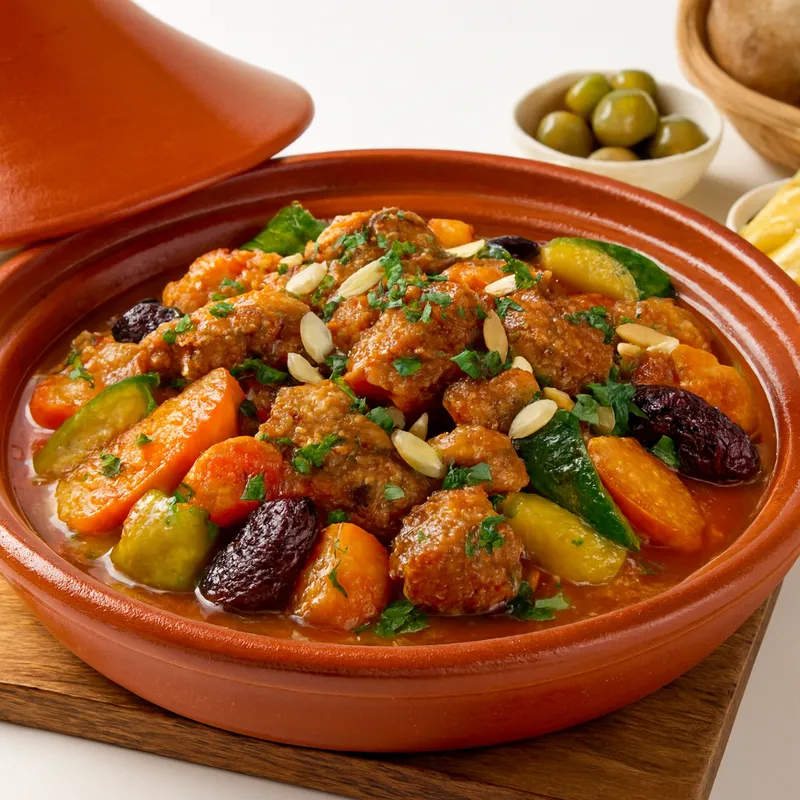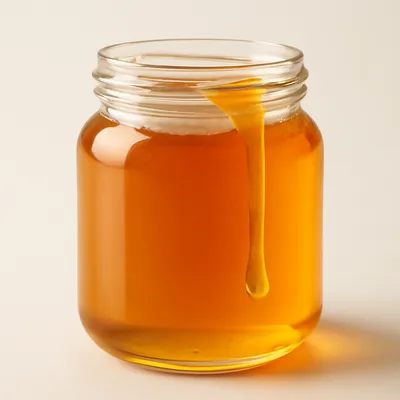


A preservation dish from pre-refrigeration Morocco, traditionally cooked at Eid al-Adha (the sacrifice festival) when families had to use up large quantities of lamb in autumn heat. Honey and heavy spice were preservatives — sugar binds water, ras el hanout is antimicrobial. A properly made mrouzia keeps unrefrigerated for weeks; bedouin and rural Moroccan families relied on it as travel food. First documented in the 13th-century Anonymous Andalusian cookbook, which records it as a dish from Ifriqiya and Egypt that reached Morocco via Andalusia; it began as a sikbaj-style sweet-sour vinegar stew (originally with chicken) and only later evolved into the lamb-and-honey tagine known today.
A pre-refrigeration preservation dish from Eid al-Adha — sugar binds water, ras el hanout is antimicrobial, and a properly made mrouzia keeps for weeks unrefrigerated. Documented in 13th-century Hispano-Maghrebi cookbooks.
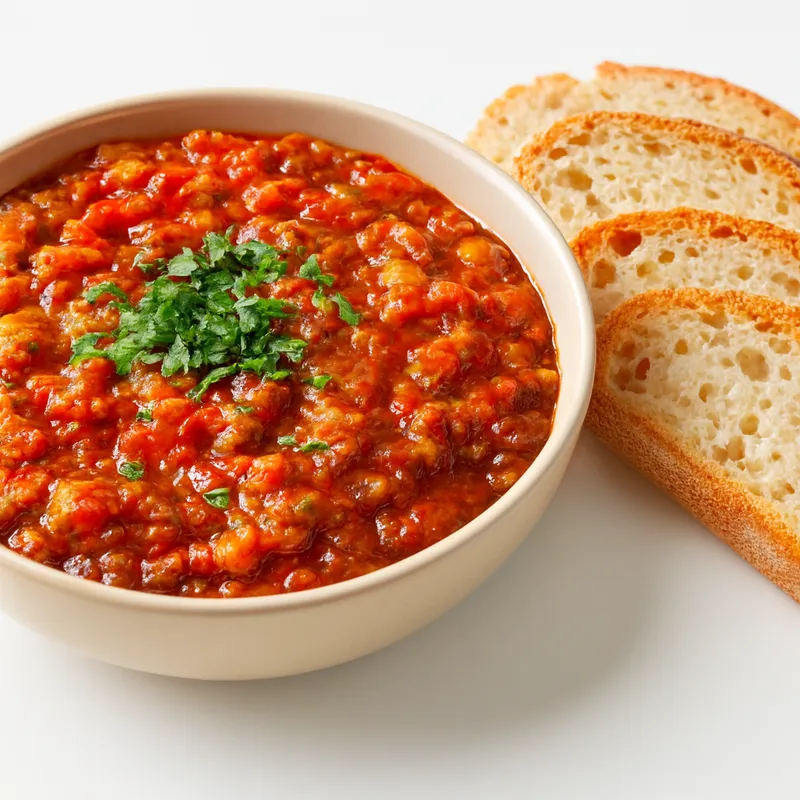
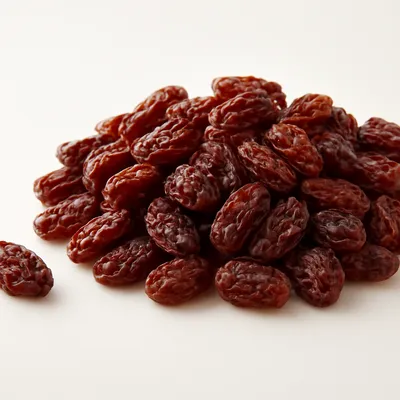
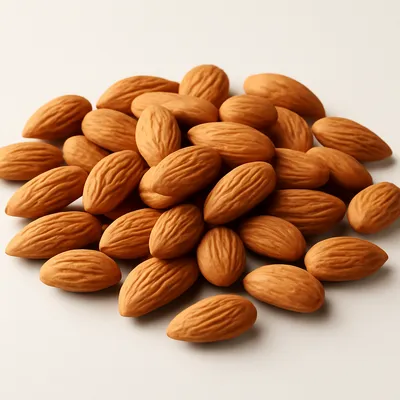
Lamb tagine pushed into sweet territory: shoulder cooked four hours with honey, raisins, blanched almonds, and a heavy hand of ras el hanout, until the sauce reduces to a sticky mahogany glaze that clings to the meat. The honey is not a finish — it goes in early and caramelizes through the long cook. Raisins plump up to the size of grapes. Eaten with bread; one piece of meat eaten alone is overwhelmingly sweet, but folded in bread with sauce, it lands.
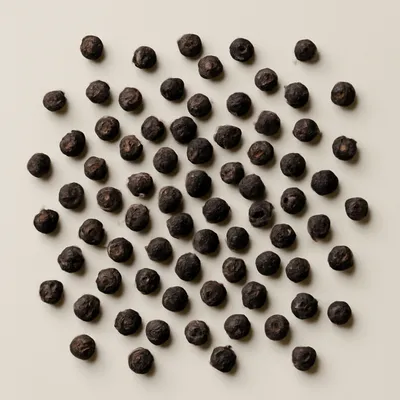
Ras el hanout is the load-bearing element here, not the honey. Authentic mixes contain 20-30 spices — including unusual ones like grains of paradise, cubeb pepper, dried rosebuds, galangal — and the high spice load is what stops the dish reading as cloying. Honey alone with lamb is dessert; honey plus a complex bitter-aromatic spice base balances out. Modern jarred ras el hanout with 6-8 spices won't do it; the dish goes flat-sweet.
Variations
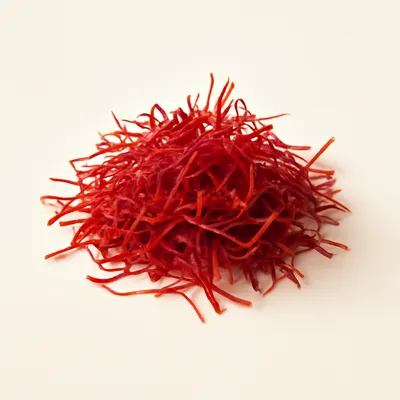
Fes wedding version pushes the almonds and saffron heavier; rural Atlas-Berber form leans on argan oil instead of olive; Andalusi-revival kitchens in Tetouan add quince to balance the honey.
On the Palate
Where Mrouzia sits in the Moroccan flavor cloud
The load-bearing element is a real, complex ras el hanout — twenty-plus spices — not the honey; that bitter-aromatic depth is the only thing that stops lamb-and-honey from collapsing into pure dessert.
Ingredients





How it's made
6 steps · 3 hours
- 160 min
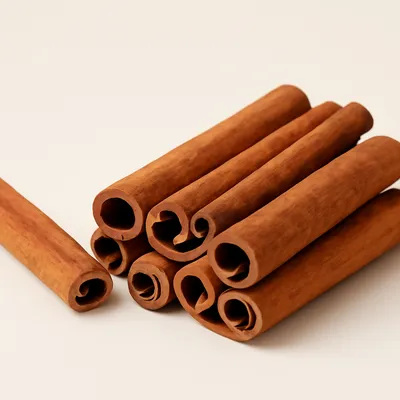
Marinate lamb with ras el hanout, ginger, cinnamon, and saffron.
Watch outMassage the spice into the lamb until every piece is coated a deep rust-red and the saffron perfume comes through.
- 25 min
In a tagine, heat olive oil and brown the lamb.
- 35 min
Add sliced onions and cook until soft.
- 43 min
Incorporate honey, raisins, and almonds, and mix well.
Watch outThe honey should melt into the pan and start glazing the meat glossy before the raisins and almonds go in.
- 515 min
Cover and simmer until lamb is tender.
Watch outDone when the lamb yields to a spoon and the sauce has reduced to a thick, glossy, syrup-like coating.
- 62 min
Adjust seasoning and serve with couscous.
Archive tool suggestions — not reviewed
These legacy suggestions have not been evidence-reviewed and are not presented as required tools.