

Moroccan
Spice and steam — the tagine is both vessel and verb.
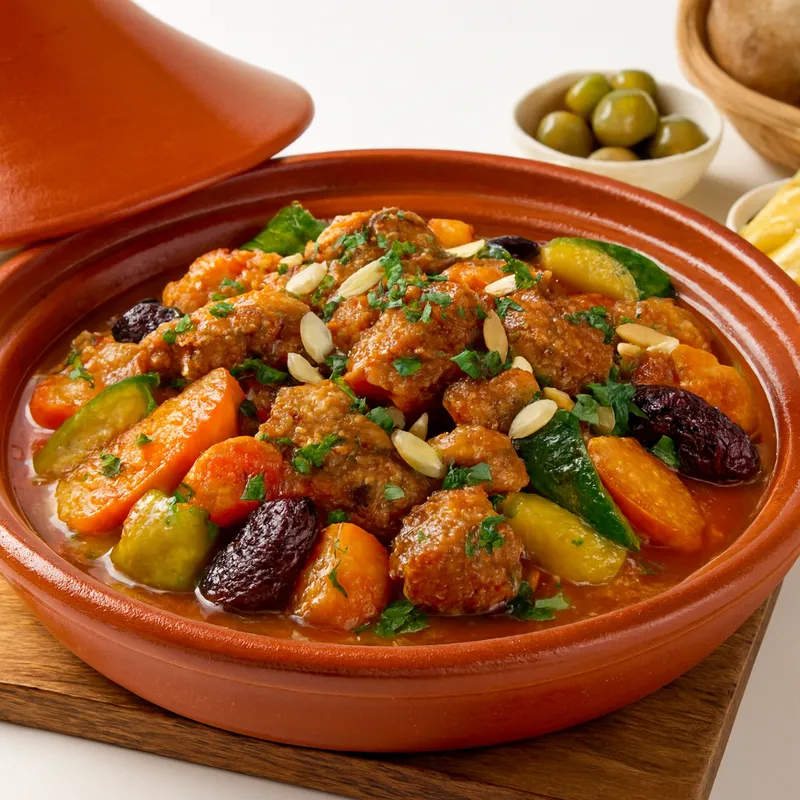
Tagine
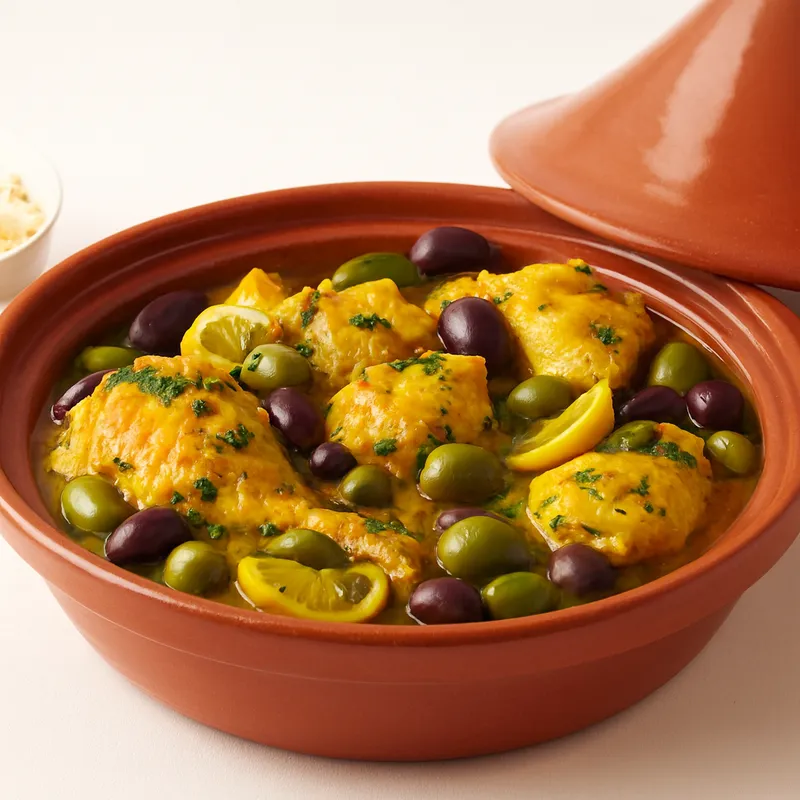
A slow-cooking method using a conical clay pot, resulting in tender, flavor-infused stews with aromatic spices.
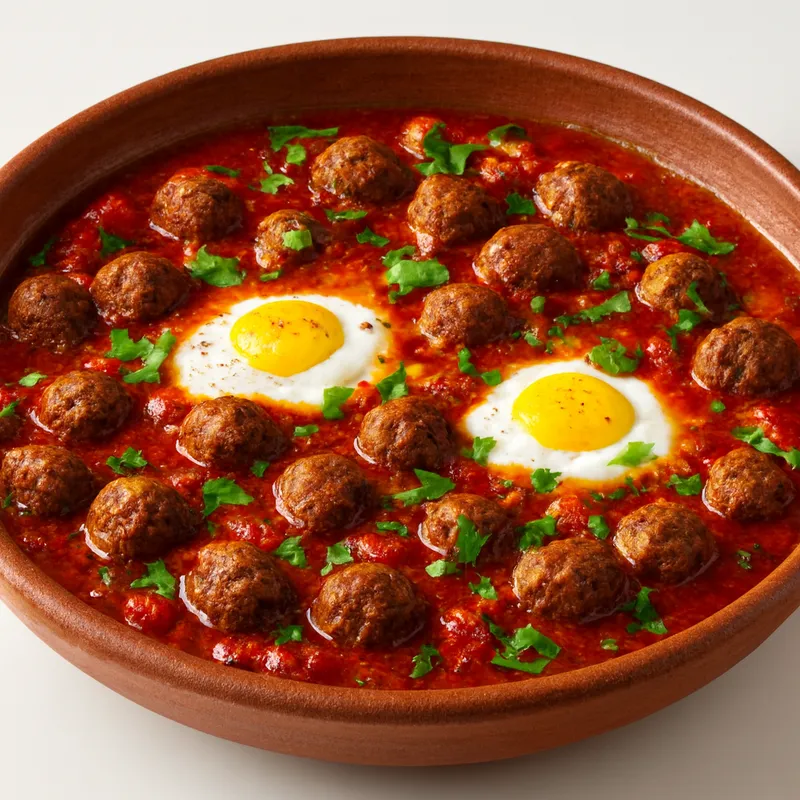
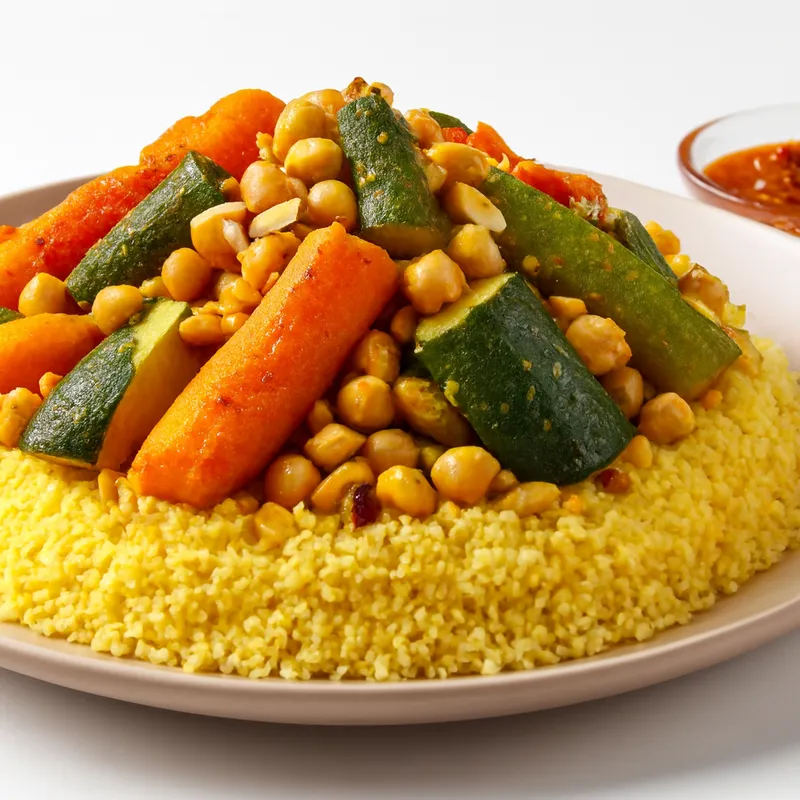
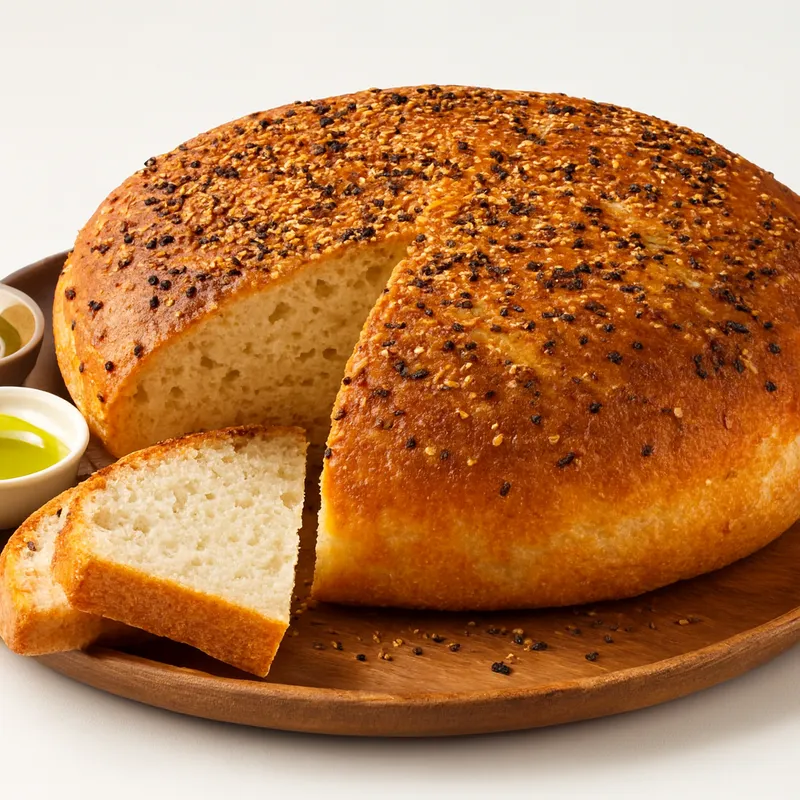
View page →Moroccan cooking plays sweet against savory and leans on warm spices — cumin, coriander, ginger, saffron, and the blend ras el hanout. The signature vessel is the tagine, the cone-lidded clay pot that gives its name to the slow-cooked stews inside it, classically lamb with prunes and almonds, or chicken with preserved lemon and green olives. The other staple is couscous, steamed semolina traditionally served on Fridays under a mound of vegetables and meat. Soups and breads anchor the everyday: harira, a tomato, lentil, and chickpea soup eaten to break the fast during Ramadan, and round flatbread for scooping. Two specialties stand out — pastilla, a pigeon or chicken pie wrapped in thin warqa pastry and dusted with cinnamon and sugar, and merguez, the spiced lamb sausage. Mint tea, poured tall and sweet, is served all day and signals hospitality.
The Palate
Start Here
Tagine is at the heart of Moroccan cooking, with its slow-cooked meats and vegetables, delicately spiced and often sweetened with dried fruits, creating a rich, complex flavor.
Why start here · Starting with a Tagine introduces you to the heart of Moroccan flavors and cooking techniques.
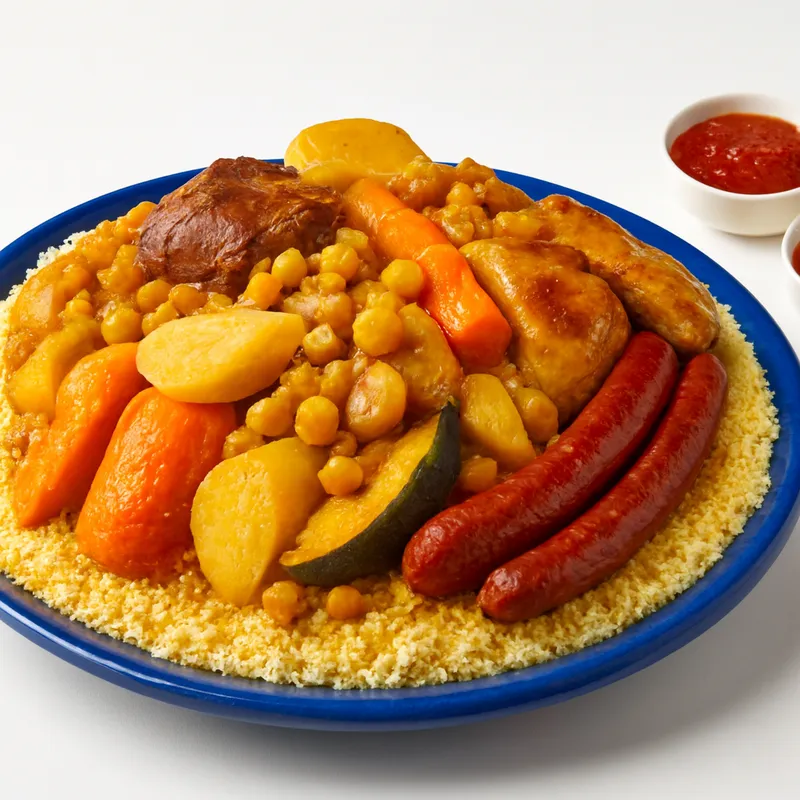
Couscous Royal is a celebratory dish that showcases the versatility of couscous, topped with a variety of meats and vegetables, and seasoned with a blend of spices that highlights the Moroccan love for aromatic complexity.
Why start here · Couscous Royal is the perfect introduction to the communal and festive nature of Moroccan dining.
Harira is a warming soup, central to Moroccan cooking and especially Ramadan, combining lentils, chickpeas, and tomatoes with a blend of spices.
Why start here · Harira is a warming, flavorful window into Moroccan soup culture.
Pastilla balances sweet and savory: flaky pastry envelops a filling of spiced pigeon or chicken, almonds, and cinnamon, topped with a dusting of sugar.
Why start here · Pastilla offers a unique taste of Morocco's penchant for combining contrasting flavors in a single dish.
Cook First
The easiest way in


The Pantry





See all 147 ingredients›


















Grains & Staples









Sauces & Condiments








Other

Regional Kitchens
Four regional kitchens, from imperial Fez to the Atlantic coast. Tap a region to see its table.
Imperial Fez cuisine — Andalusian-Arab inheritance, pastilla under powdered sugar, sweet-savory tagines with prunes and almonds.
Mountain Berber (Amazigh) kitchen — fava-and-barley soups, communal couscous, argan oil, slow-cooked tagines over wood fires.
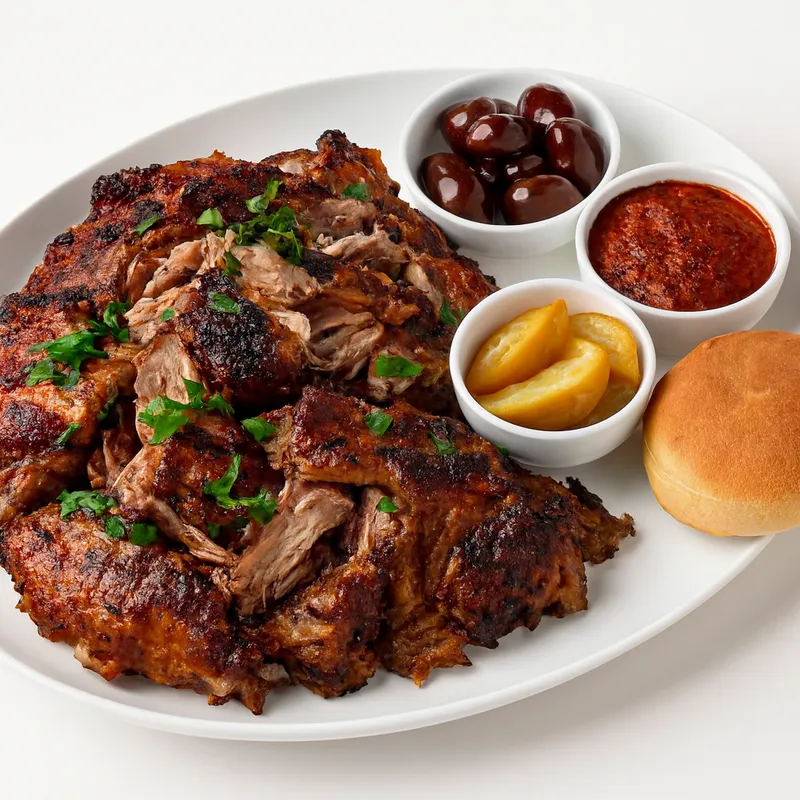
Marrakech imperial canon — clay-jug tanjia from the medina, charcoal-roasted mechoui, the Jemaa el-Fna grill at midnight.
Atlantic seafood — chermoula-marinated grilled fish, octopus tagines from Essaouira, stuffed sardines on the Casablanca corniche.
How They Cook
Techniques that define this cuisine
Braising
Braising in Moroccan cooking is a slow, tender process that infuses meats with spices and fruits, epitomized by the iconic tagine.
Simmering
Simmering is central to Moroccan soups and stews, allowing spices and ingredients to meld into a cohesive, flavorful broth.
Baking
In Moroccan cuisine, baking is often used to create both sweet and savory pastries, such as the delicate pastilla, that rely on layers of intricately folded dough.
See 16 more techniques›
Steaming is a gentle technique in Moroccan cuisine, often used to cook couscous perfectly, allowing each grain to remain separate and fluffy.
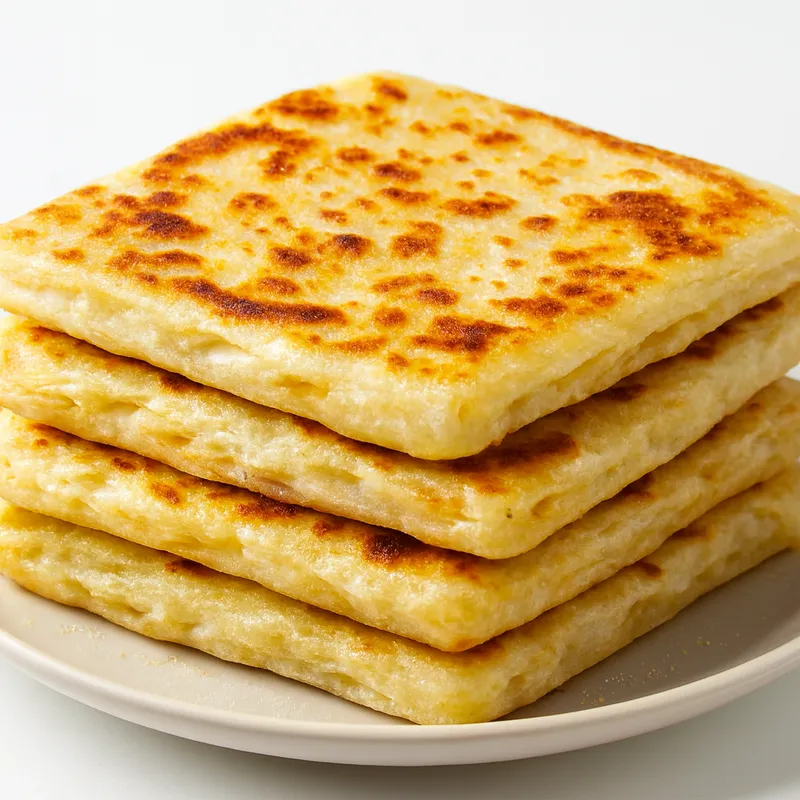
Kneading is a fundamental technique in Moroccan bread making, essential for achieving the right texture in msemen or khobz.
Sauteing in Moroccan cooking is often used to quickly blend spices with vegetables, enhancing their natural flavors.
Roasting in Moroccan cuisine brings out the depth of flavor in meats and vegetables, often paired with an array of spices.
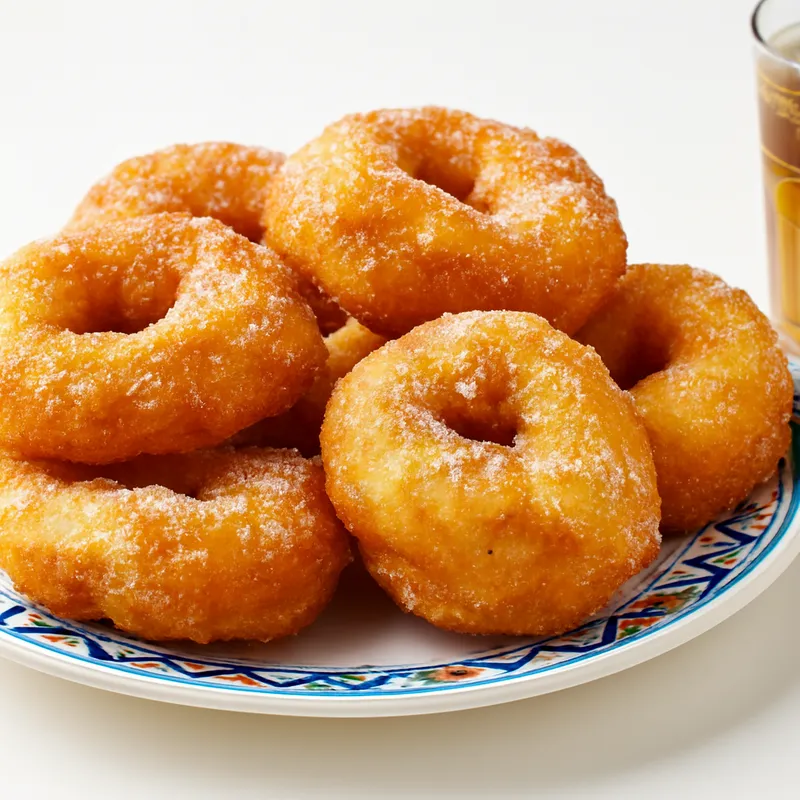
Moroccan deep frying is used to achieve the crisp textures of dishes like sfenj, a popular street food doughnut.
Kindred Kitchens
Cuisines built on the same signature ingredients
Signature Dishes (132)
Browse all 132 dishes›
Drinks
8Starters
7


Soups
7


Mains
58