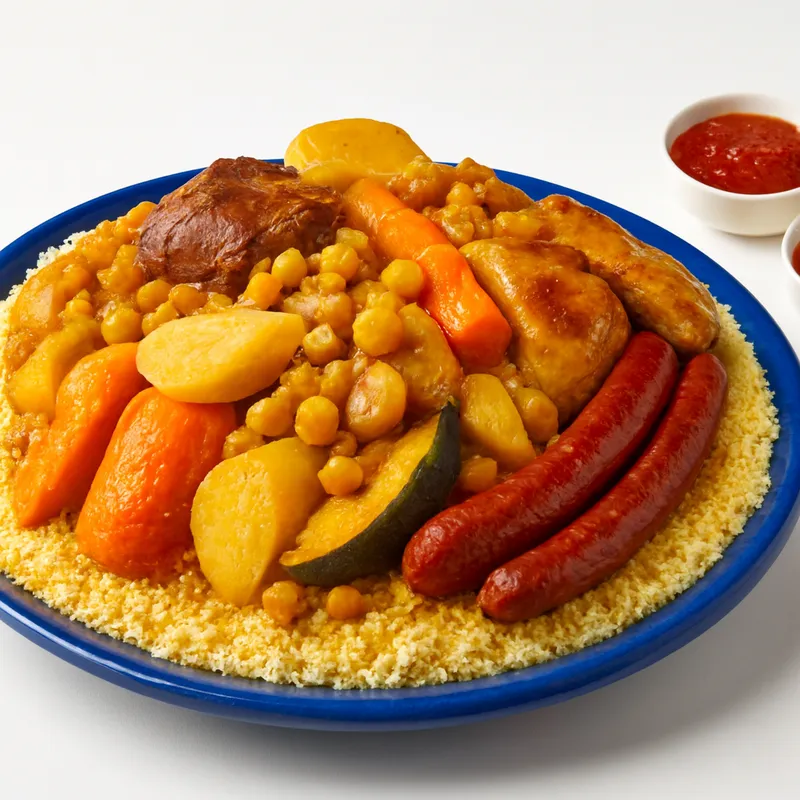
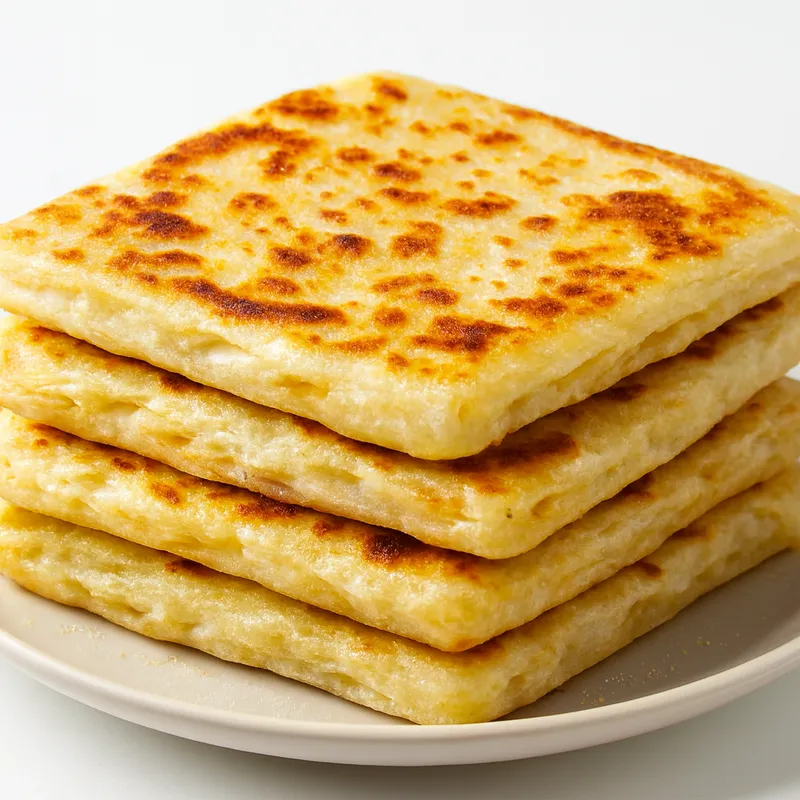
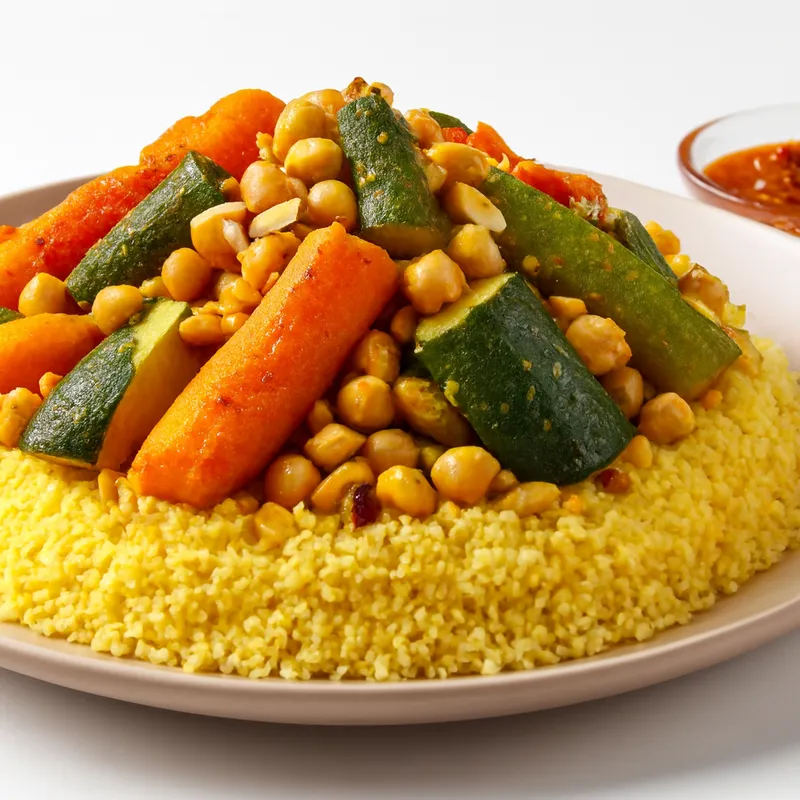
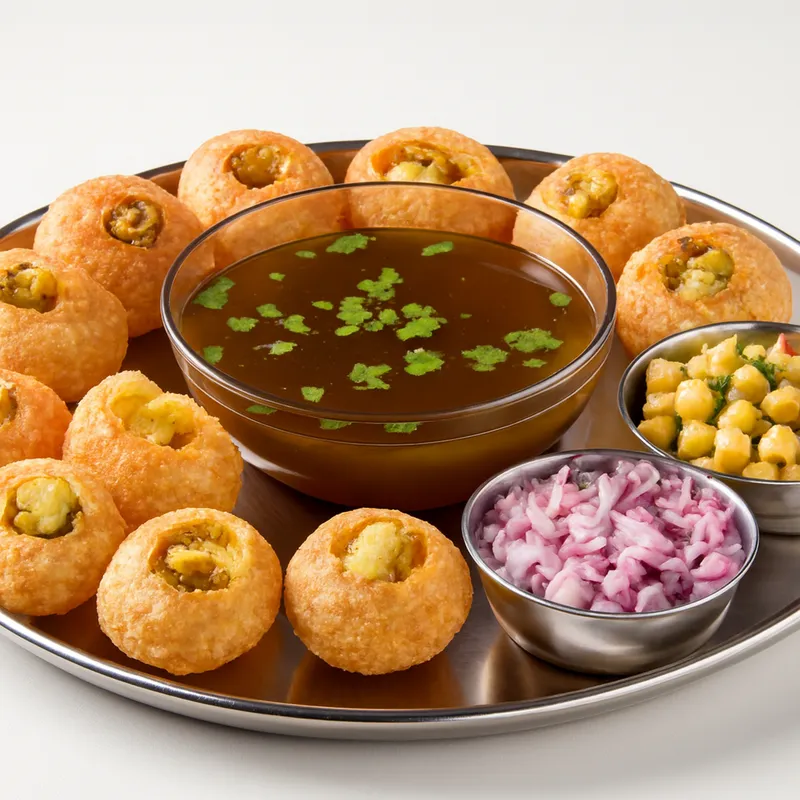
Fine and gritty, semolina presents a unique texture that lends itself to a variety of culinary applications, from pasta to desserts. Its slightly nutty flavor enriches both sweet and savory dishes.
Where it comes from
Semolina is derived from durum wheat, a staple in Mediterranean and Middle Eastern cuisines, where it has been used for centuries to create pasta and sweet confections.
In the kitchen
Essential in pasta-making for its firm texture, it can also be used in puddings and cakes, providing structure and a unique mouthfeel.
Across cuisines
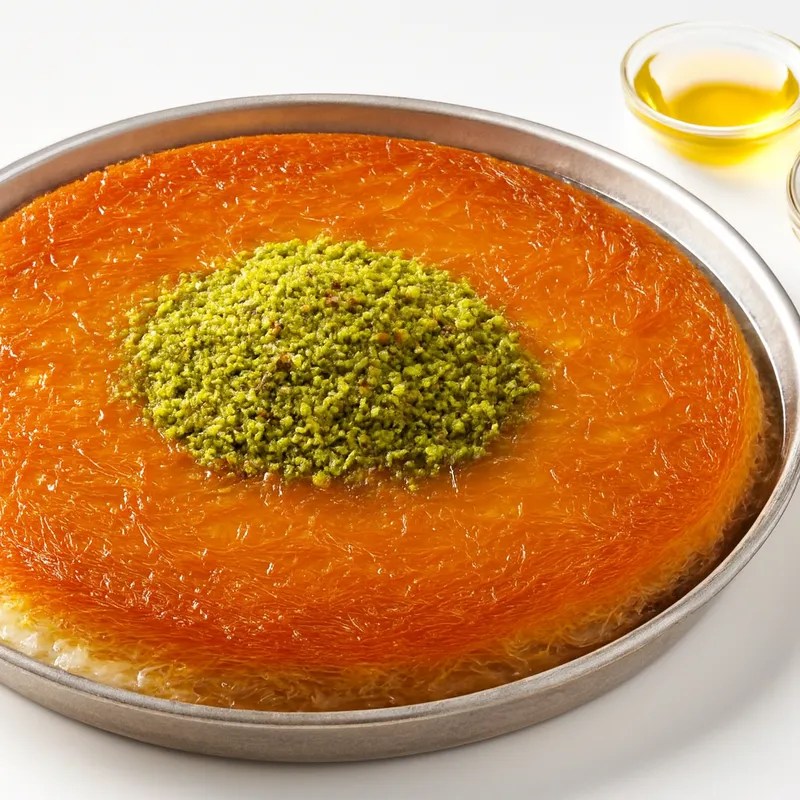
In Middle Eastern cuisine, semolina is a key ingredient in desserts. It is often used in combination with sugar and butter to create a moist, grainy texture in sweets like Knafeh and Basbousa. The semolina is sometimes soaked in syrup after baking to enhance its sweetness and moisture.
In Middle Eastern cuisine, semolina is a key ingredient in desserts. It is often used in combination with sugar and butter to create a moist, grainy texture in sweets like Knafeh and Basbousa. The semolina is sometimes soaked in syrup after baking to enhance its sweetness and moisture.
In Middle Eastern cuisine, semolina is a key ingredient in desserts. It is often used in combination with sugar and butter to create a moist, grainy texture in sweets like Knafeh and Basbousa. The semolina is sometimes soaked in syrup after baking to enhance its sweetness and moisture.
Nutrition (per 100g)
AI-estimated; model and run unavailable.