
Lebanese
Mezze: shared small-plate canon.
Mezze
A selection of small dishes served as appetizers, reflecting the communal and diverse nature of Lebanese dining.
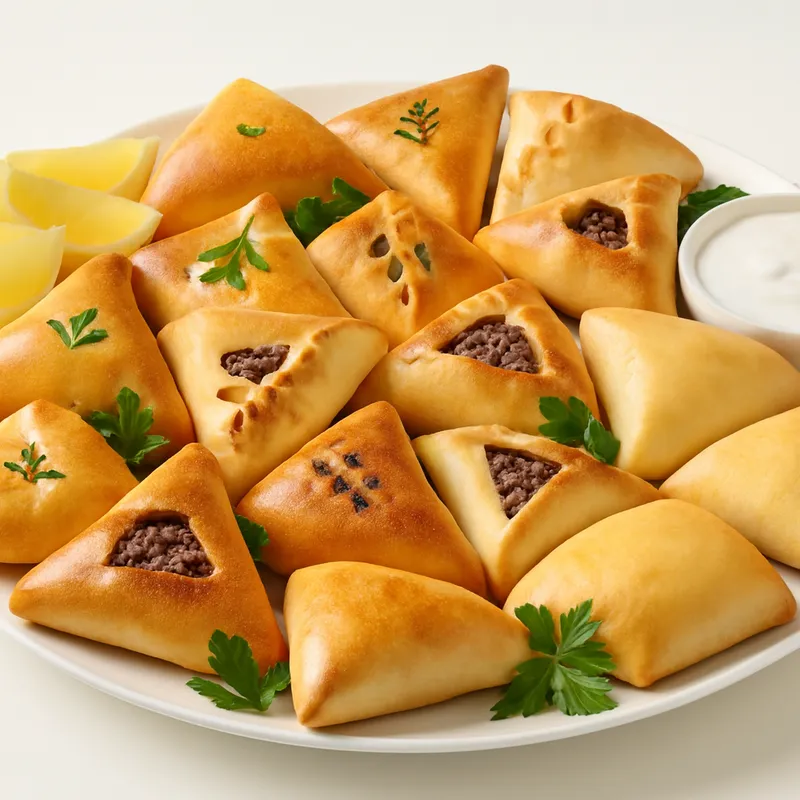
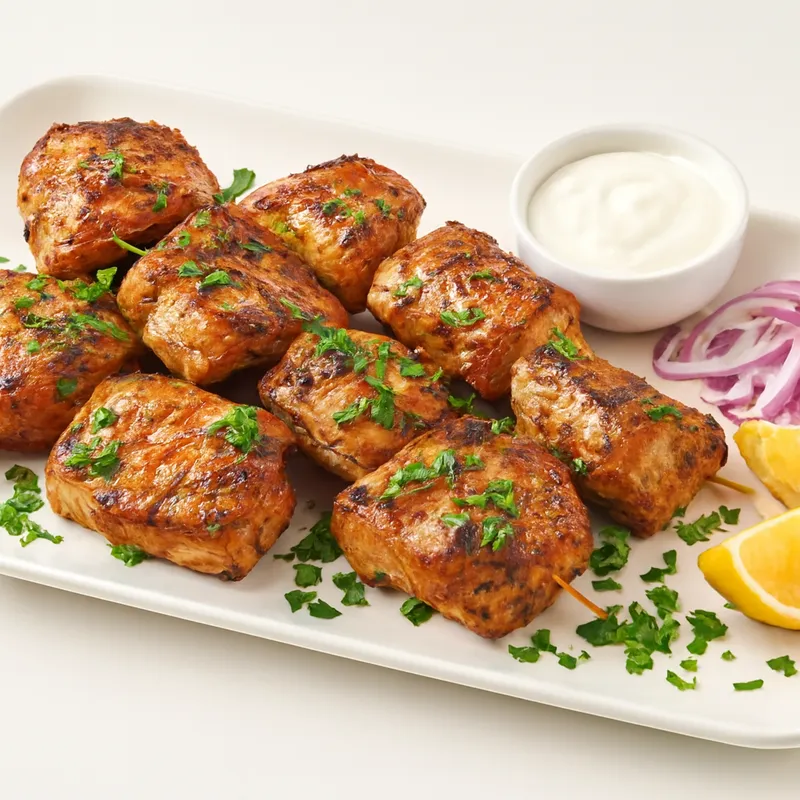
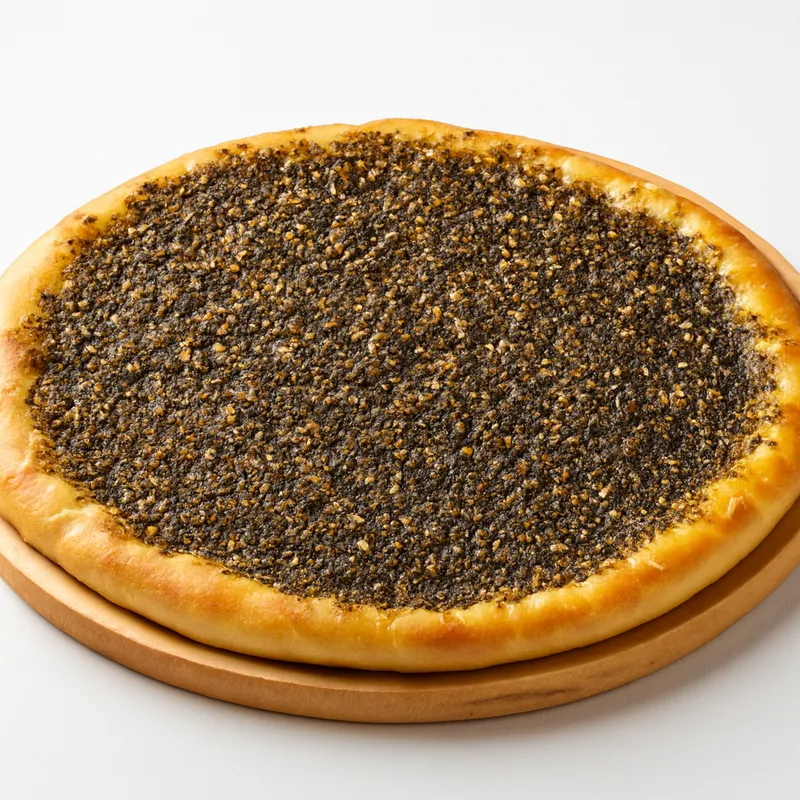
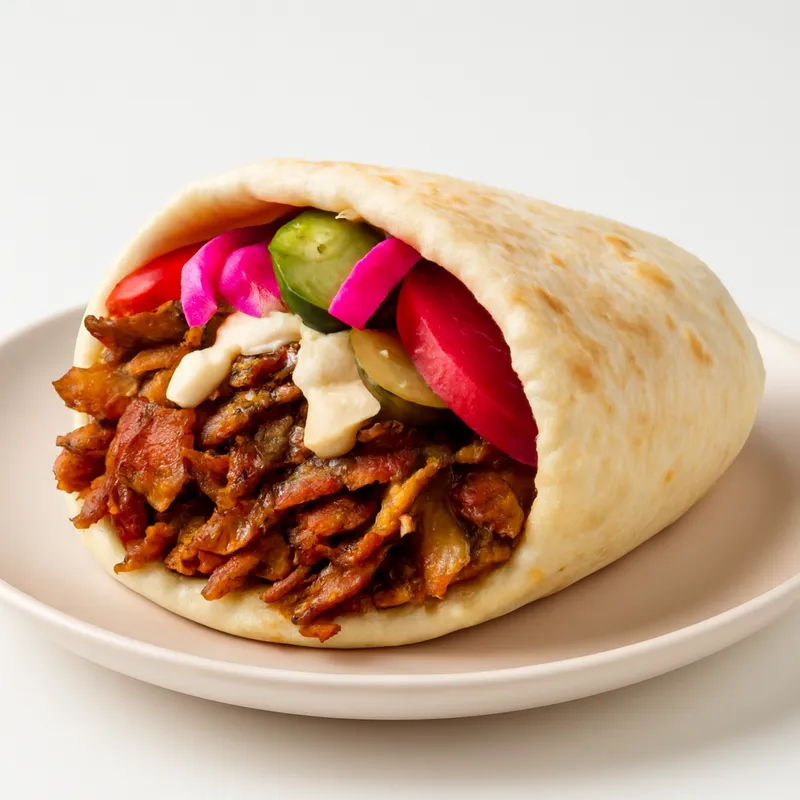
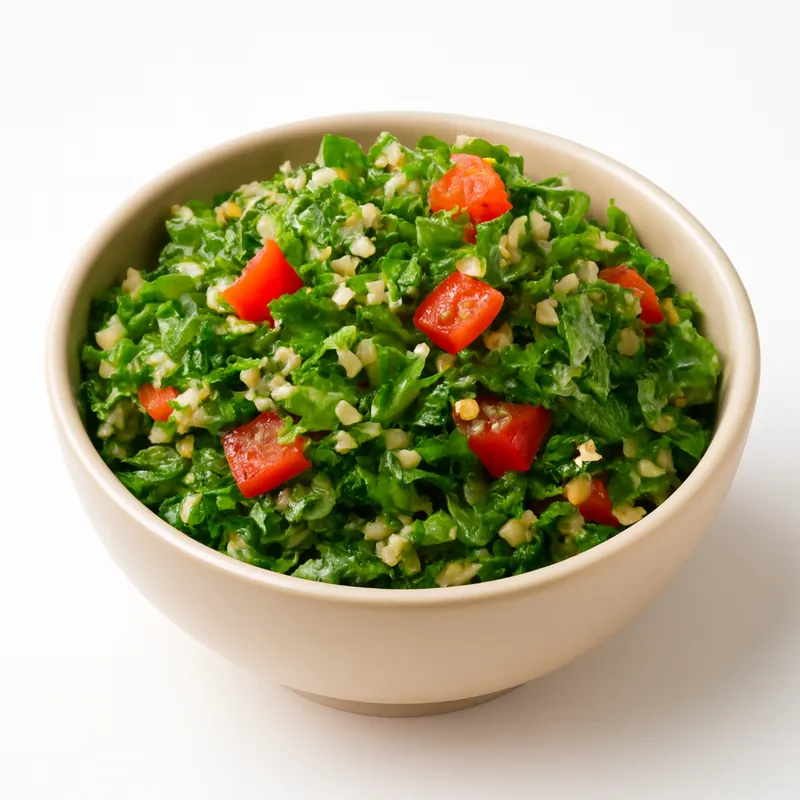
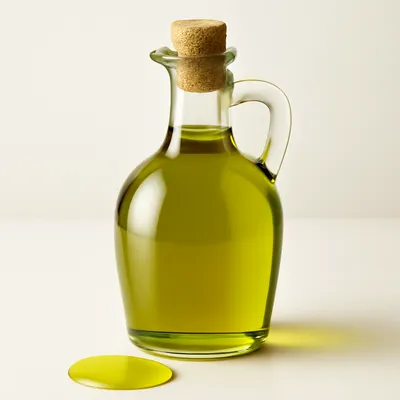
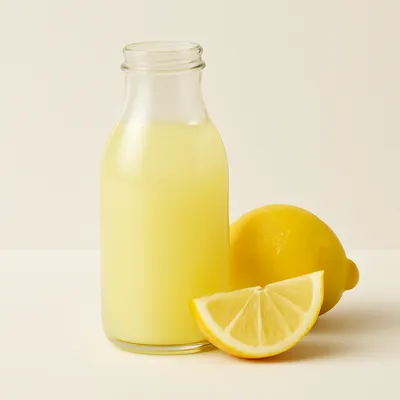
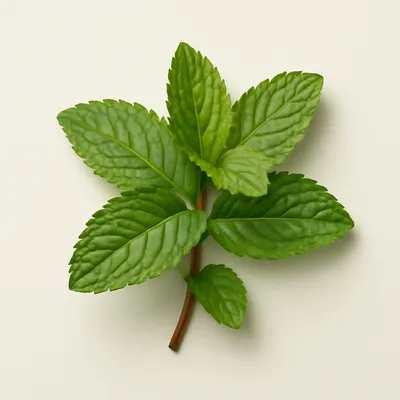
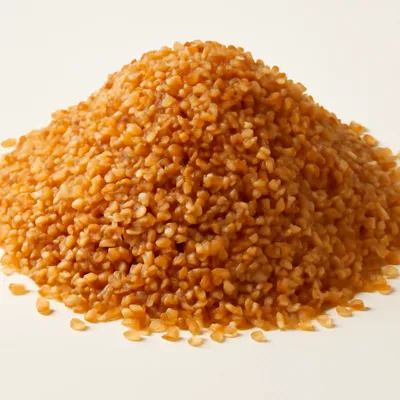
View page →Lebanese cooking is the best-known of the eastern Mediterranean, centered on a spread of small dishes called mezze meant to be shared. The staples are hummus (pureed chickpeas with tahini, lemon, and garlic), baba ghanoush (smoky mashed eggplant), and tabbouleh — which is mostly chopped parsley and mint with bulgur, tomato, and lemon, not a grain salad. Falafel (fried chickpea-and-herb balls) and kibbeh (spiced minced lamb and bulgur, fried or eaten raw) are everywhere, and meat is grilled as shish taouk (marinated chicken skewers) or shawarma carved off a spit. Flatbread and olive oil are on every table, with fresh herbs, sumac, and za'atar tying the flavors together. Arak, an anise spirit that turns cloudy with water, is the customary drink.
The Palate
Start Here
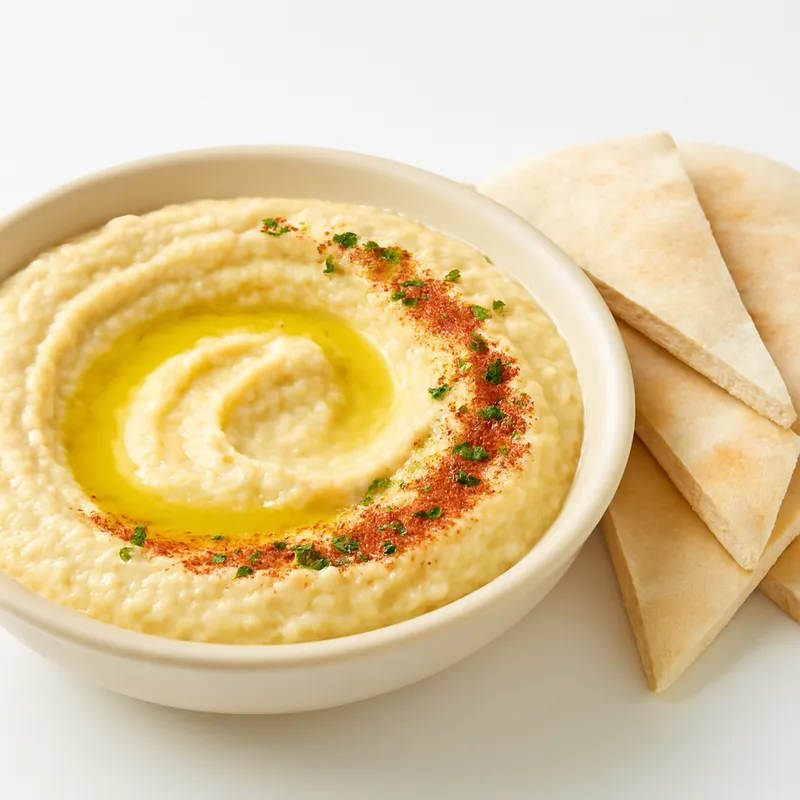
The dish everyone thinks they know but almost nobody makes right.
Why start here · Teaches you the Lebanese fundamentals: tahini, lemon, garlic, patience with chickpeas.
Lamb and bulgur pounded into something greater than either.
Why start here · The national dish — shows how Lebanese cooking transforms simple ingredients through technique.
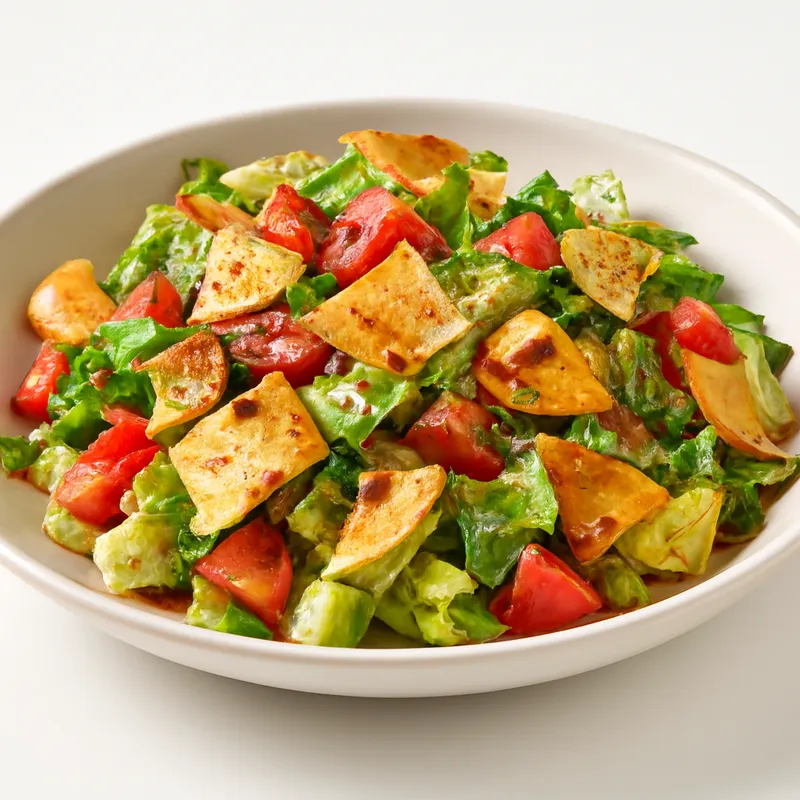
Stale bread, fresh vegetables, sumac. Waste nothing.
Why start here · The Lebanese philosophy of turning leftovers into something better than the original.
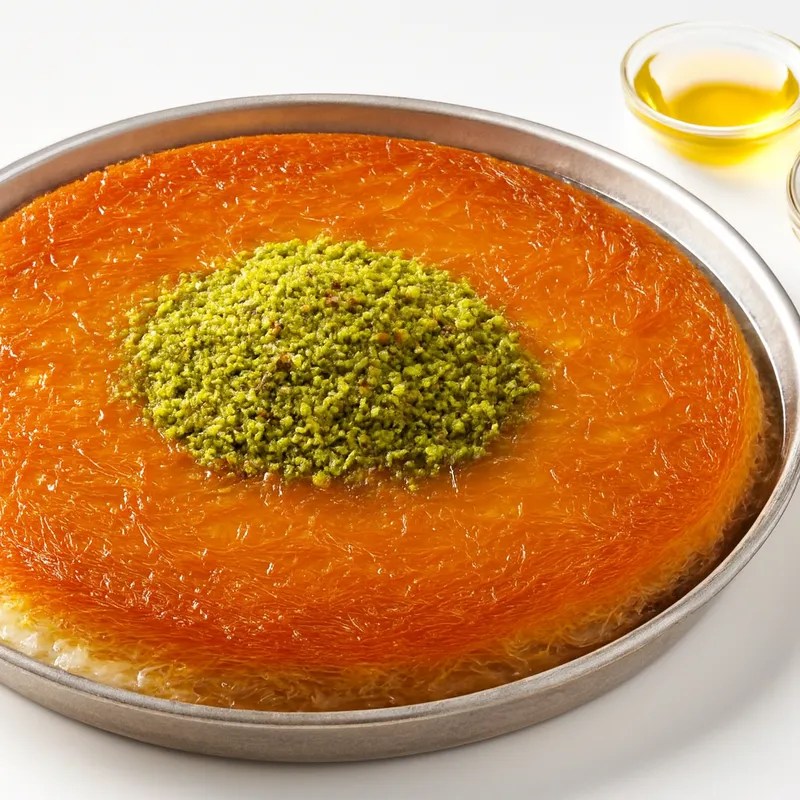
Cheese, syrup, and shredded pastry — dessert as spectacle.
Why start here · Understand the Lebanese sweet tooth and the role of rosewater in dessert.
Cook First
The easiest way in


The Pantry




See all 164 ingredients›
































On the Map
Where this cuisine is found
Regional Styles
How They Cook
Techniques that define this cuisine
Kindred Kitchens
Cuisines built on the same signature ingredients