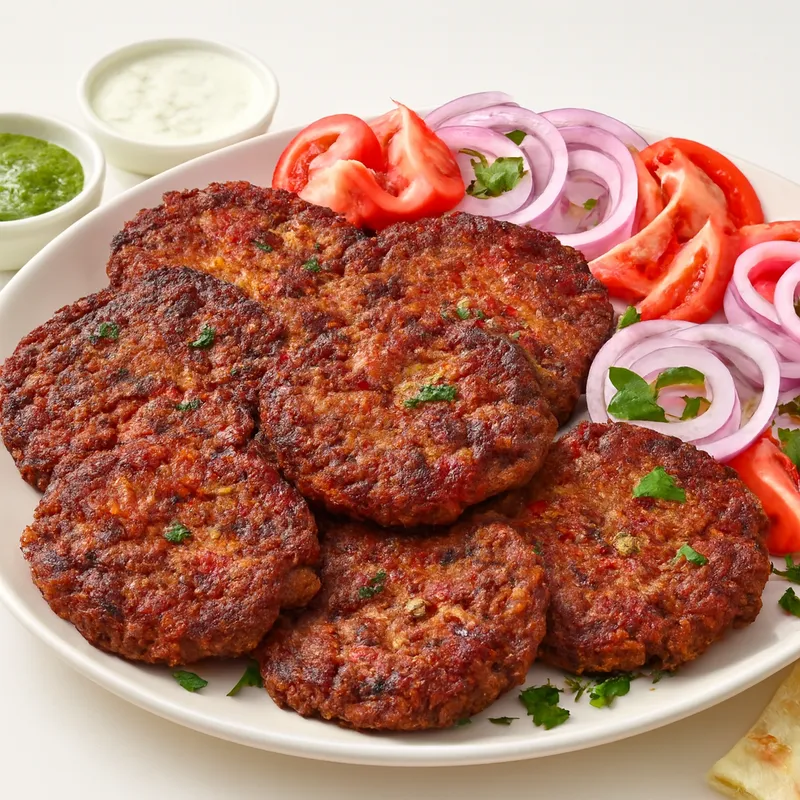
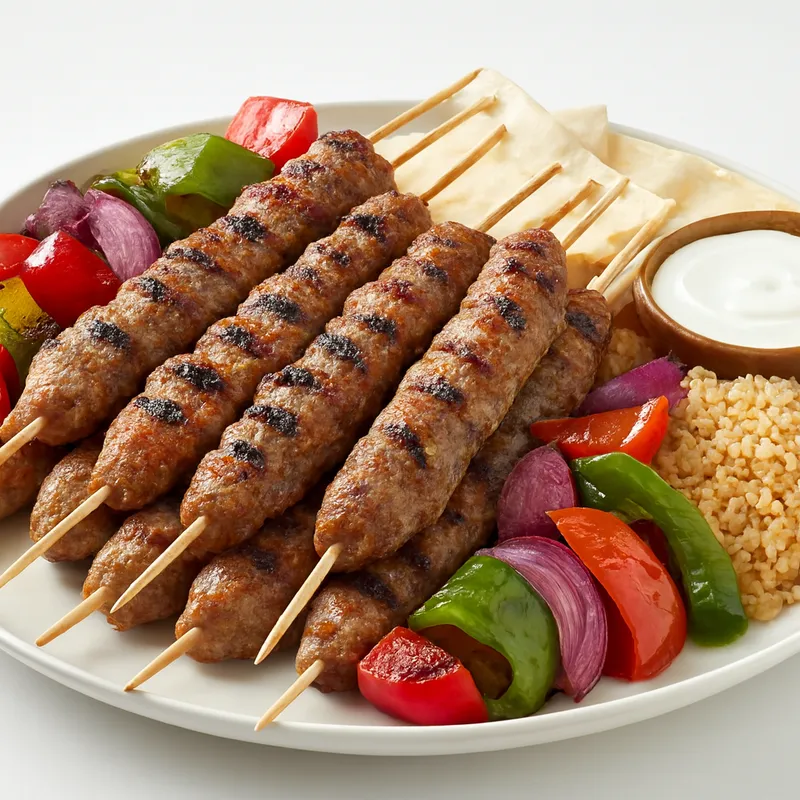
Grilled meat patties made with ground lamb or beef mixed with spices.



Kafta (kufta, kefta) appears across Persian, Arab, Ottoman and South Asian cuisines, with spiced ground-meat dishes recorded in a 13th-century Arab cookbook from Baghdad, though that text does not yet use the name kufta; the word itself derives from the Persian for to pound, and the named dish first appears explicitly in later Ottoman Turkish manuscripts. The Lebanese version stabilized in the Mount Lebanon region in the late Ottoman period as a charcoal-grilled skewer form, distinct from the meatball or stew kufta of Iran and Turkey. Charcoal availability in Beirut's mangal culture set the technique.
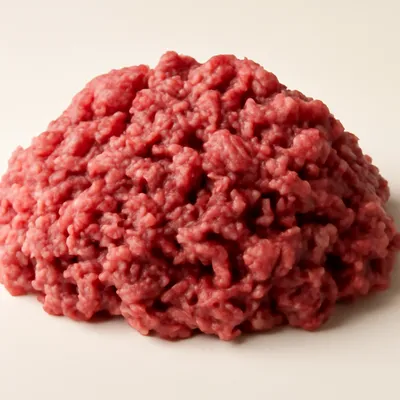
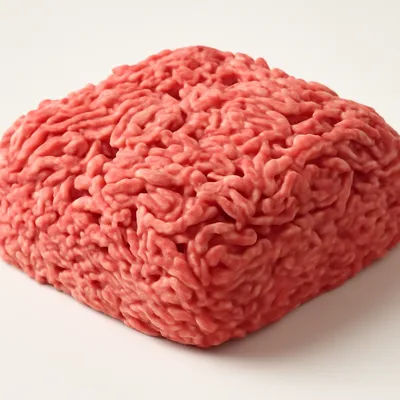
Lebanese kafta is lamb-and-beef with parsley, onion, and seven-spice baharat. Mince must be hand-chopped twice or run through a fine plate; food-processor mince turns the skewer spongy on the grill.
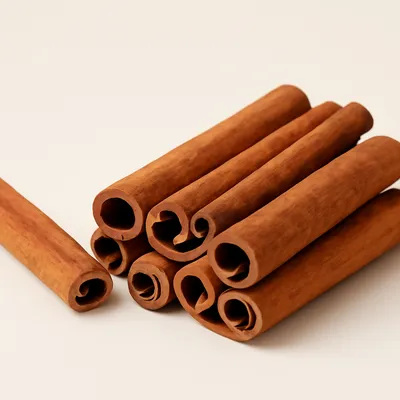
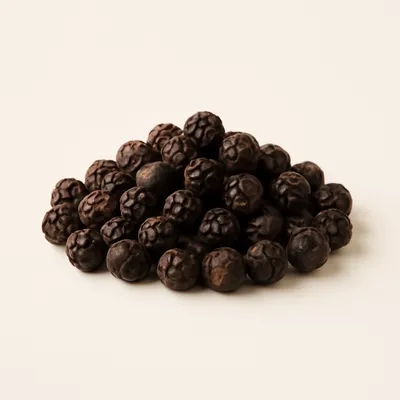
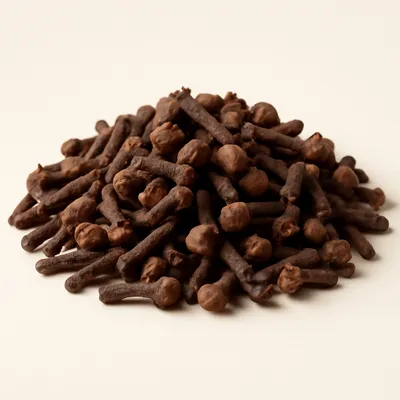
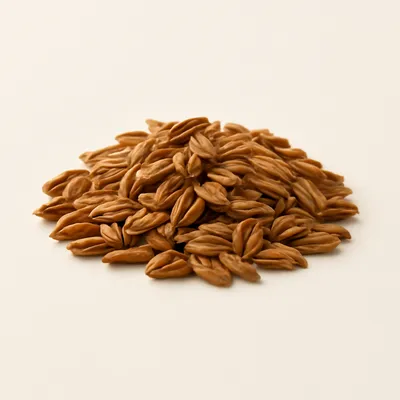
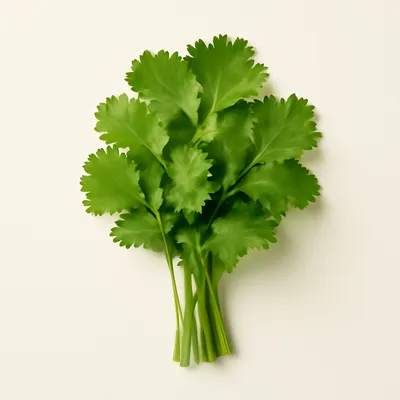
Coarse-ground lamb (or lamb and beef) hand-mixed with finely chopped onion, parsley, and a Levantine seven-spice (allspice, black pepper, cinnamon, nutmeg, clove, cumin, coriander), pressed onto flat skewers and grilled over charcoal. The exterior chars; the interior stays pink and loose. The onion is the moisture engine — without enough, kafta dries out at the first turn of the skewer.
The hand-mix is non-negotiable: the meat must be worked just until tacky, never paste. Over-kneaded kafta turns into kibbeh-textured rubber. The salt is added late, after shaping, to prevent the proteins from binding too tightly before they hit the grill. Flat skewers (not round) keep the meat from spinning when turned — round skewers are why home kafta falls into the coals.
Variations
Lebanese kafta is hand-chopped and parsley-heavy; Syrian kibbeh-mishwiyya is closer to a torpedo with bulgur; Turkish köfte adds bread crumb and is pan-fried (sulu köfte) or grilled (Adana); Egyptian kofta is heavier on cumin.
On the Palate
Where Kafta sits in the Lebanese flavor cloud
Work the meat only until it's tacky and just holds together, never to a smooth paste — over-kneaded kafta grills up dense and rubbery like a bad kibbeh.
Ingredients


How it's made
4 steps · 20 min
- 15 min
In a large bowl, combine ground lamb, ground beef, finely chopped parsley, minced onion, and spices. Mix until well combined.
Watch outMix just to tacky and cohesive — the meat should cling to your fingers but still look coarse, not smooth and pasty.
- 25 min
Shape the mixture into small patties or logs about the size of golf balls.
- 38 min
Heat a grill or skillet over medium-high heat. Add a touch of oil and sear the patties until browned on all sides, about 8 minutes.
Watch outTurn only when a deep brown crust has set and the meat lifts cleanly — poke too soon and it tears and sticks.
- 42 min
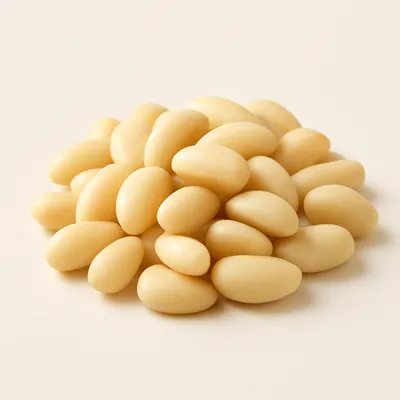
Remove the kafta from the grill and let them rest for a few minutes. Serve warm, garnished with pine nuts if desired.
Watch outRest a few minutes off the heat so the juices settle back in before serving — cut straight away and they run out.
Archive tool suggestions — not reviewed
These legacy suggestions have not been evidence-reviewed and are not presented as required tools.
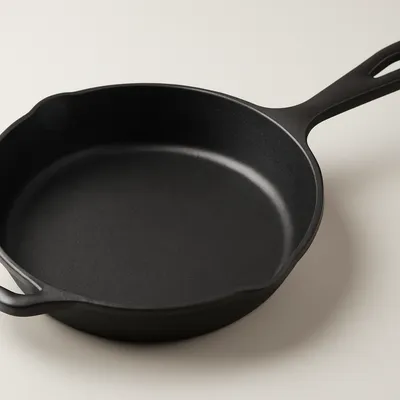
A heavy, single-piece cast iron pan, 25-30 cm across, weighing 1.5-2.5 kg. Once preheated, the thick mass holds 230°C+ even when a cold steak hits the surface — that's the secret to a deep crust. A well-seasoned skillet (multiple thin layers of polymerized oil baked into the iron) is essentially nonstick, gets better with use, and lasts a century. Lodge skillets from Tennessee have been in continuous production since 1896.
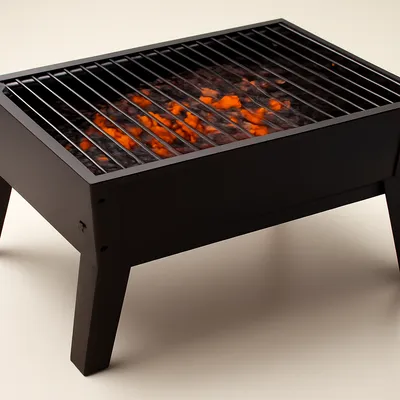
An open or hooded metal frame holding a bed of glowing charcoal embers, with a grate above. Charcoal burns at 700°C+ on the surface and emits short-wave infrared, which cooks proteins faster and with deeper Maillard browning than gas. Hardwood lump charcoal (oak, mesquite, fruitwood) lends its own smoke; cheap briquettes do not. Mastery is mostly heat zoning — direct over coals for searing, indirect off-coals for slow-roasting.