Kibbeh
Billy Parisi — fried lamb kibbeh
Method sources: Billy Parisi: Kibbeh · FoodSafety.gov: minimum internal cooking temperatures
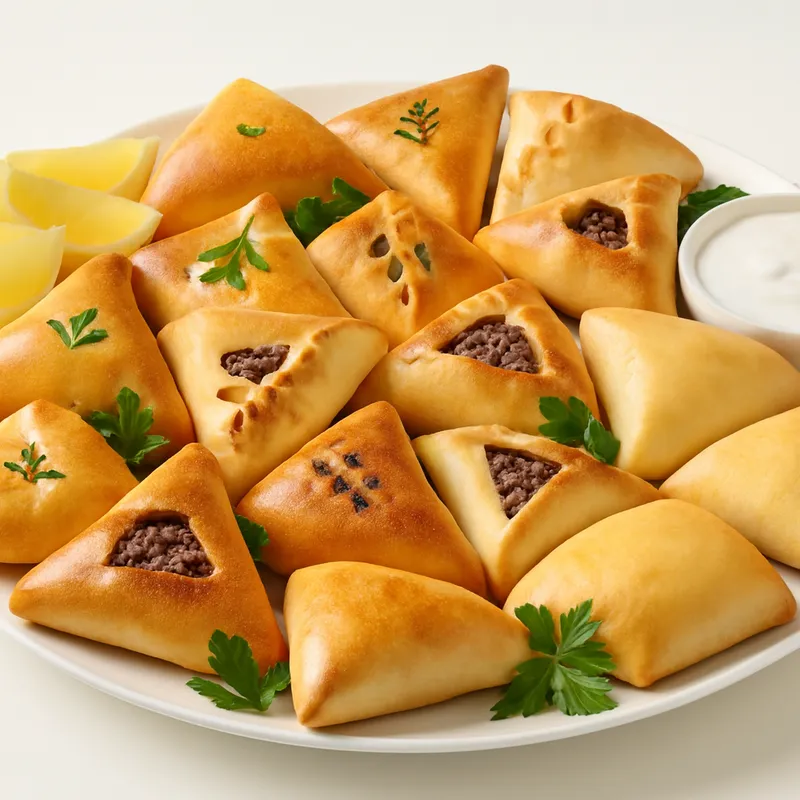
Lebanese fried bulgur-and-meat croquettes shaped like footballs, filled with spiced ground lamb, onions, and pine nuts.
Levantine, with strongest claim to Aleppo, Syria — the city famous for kibbeh in dozens of forms. The pounded-meat-and-grain technique predates Arab cuisine, traceable to ancient Mesopotamia where stone mortars and grain were both daily kitchen equipment. The football-shaped fried version (kibbeh maqliyeh) is the Lebanese-Syrian standard; raw kibbeh nayyeh is a separate northern Lebanese tradition.
Lebanese national dish, mentioned in 13th-century Damascus cookbooks — bulgur-and-meat shells stuffed with spiced lamb, pine nuts, onion. The torpedo-shape is shaped one-handed by experienced cooks; learning that shape is a generational handoff.
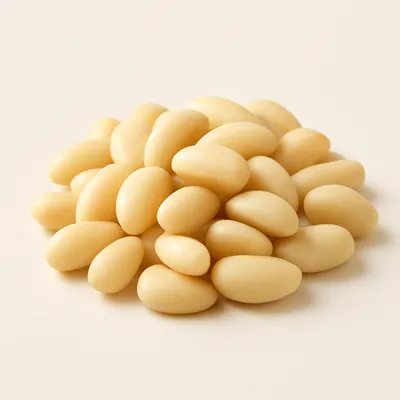
Football-shaped fried shells of fine bulgur and pounded raw lamb dough, hollowed and stuffed with spiced minced lamb, onion, and pine nuts, then deep-fried until the shell goes deep mahogany. Bite through and the outer shell is crisp-thin, the inner meat is moist with rendered fat. Squeeze of lemon, served with yogurt or a side of tabbouleh. Cracked shells before frying mean the bulgur paste was too dry.
On the Palate
Where Kibbeh sits in the Lebanese flavor cloud
Ingredients
24 pieces; not 24 dinner guests



How it's made
5 steps · About 70 min; frying batches vary · Author's 30 min preparation + 40 min cooking budget; soaking overlaps filling, not measured hands-on time.
- 115–20 min soak; filling in parallel
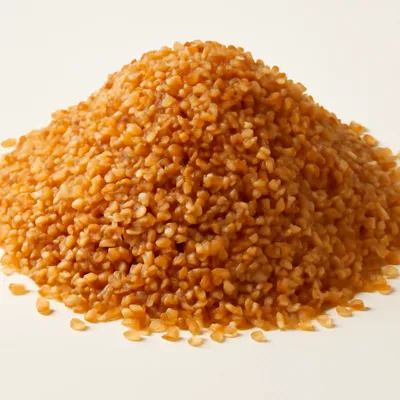
Start soaking the bulgur in the 1½ cups of cold water for 15–20 minutes. While it hydrates, prepare the filling.
- 2About 20 min onions, then 4–6 min meat
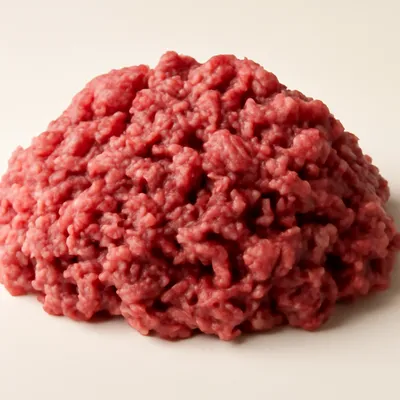
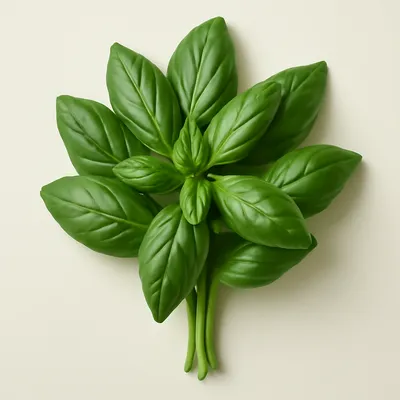
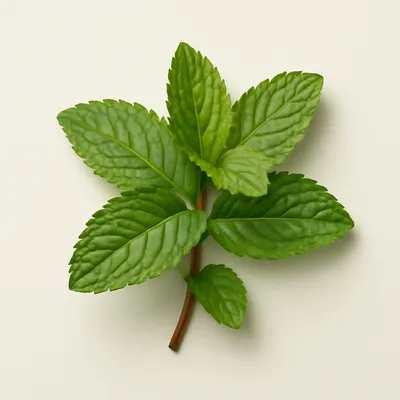
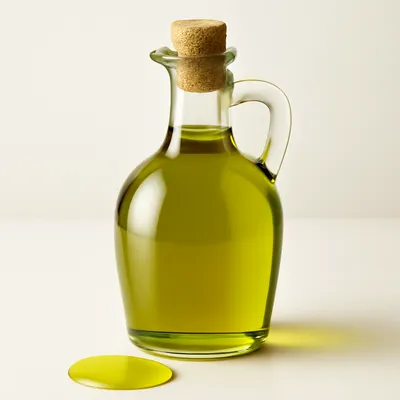
In 2 tbsp olive oil, brown the two diced onions over low-to-medium heat for about 20 minutes. Increase the heat, crumble in the filling's 1 lb lamb and cook for 4–6 minutes, until cooked through. Mix in its seven-spice, chopped basil and mint, salt and toasted pine nuts; set aside.
- 3Until ready
Process hydrated bulgur with the two roughly chopped onions. Add the shell's separate 1 lb raw lamb, seven-spice, herb leaves and 2 tsp salt; process into a cohesive paste. If dry, add a few tbsp water as needed. Keep raw shell and cooked filling separate.
- 4Until ready
With damp hands, hollow golf-ball-sized shell portions, add cooked filling, seal and shape pointed ovals. Repeat to use the shell and filling; the author's batch makes 24 pieces.
- 52½–3 min per side, per batch
Heat enough neutral oil to half-cover the kibbeh to 350°F (about 175°C). Fry in batches for about 2½–3 minutes on each side, until browned and cooked through. Check the meat centre reaches 71°C with a thermometer; colour alone is not a doneness test. Drain on a rack and serve; parsley or prepared yogurt sauce is optional.
Archive tool suggestions — not reviewed
These legacy suggestions have not been evidence-reviewed and are not presented as required tools.
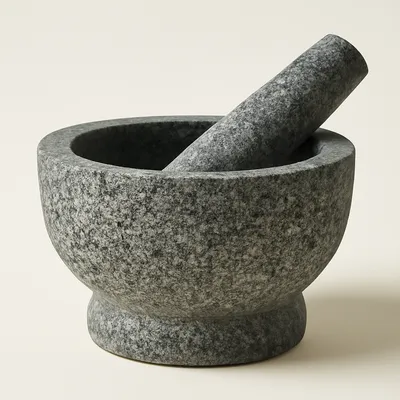
The simplest tool in any kitchen: a heavy bowl and a club to bash things in it. Different cuisines use different stones — Thai cooks pound green papaya in a tall granite mortar (krok hin); pesto Genovese requires the soft-pored Carrara marble; Indian masalas grind down on rough basalt. The bash-don't-cut motion releases volatile oils that a blade keeps sealed in the cell wall.
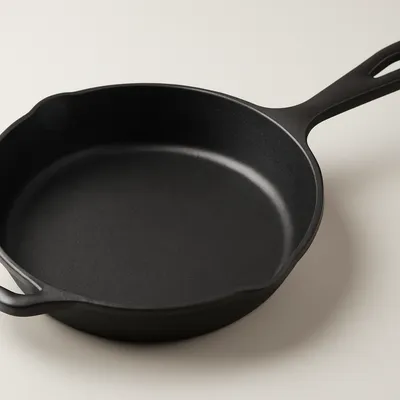
A heavy, single-piece cast iron pan, 25-30 cm across, weighing 1.5-2.5 kg. Once preheated, the thick mass holds 230°C+ even when a cold steak hits the surface — that's the secret to a deep crust. A well-seasoned skillet (multiple thin layers of polymerized oil baked into the iron) is essentially nonstick, gets better with use, and lasts a century. Lodge skillets from Tennessee have been in continuous production since 1896.