

The stuffed-leaf technique was perfected in the Ottoman court as a prestige dish, though it built on an older Greek precedent (stuffed fig and vine leaves, thria); by the 17th century Istanbul had some fifty specialist dolma shops (dolmacı). Dolma referred broadly to anything stuffed (the verb dolmak means to fill). The olive-oil cold version (zeytinyağlı yaprak sarma) is Aegean and Istanbulite, distinct from the meat-and-broth hot version (etli) of inland Anatolia. Greek dolmades, Levantine warak enab, and Caucasian tolma are all branches of the same Ottoman trunk.
Codified in 16th-century Ottoman palace records — the verb dolmak means to fill, so dolma originally covered anything stuffed. Currants and pine nuts aren't decorative; the sugar offsets leaf tannin, the nuts carry the only fat in an otherwise lean rice.
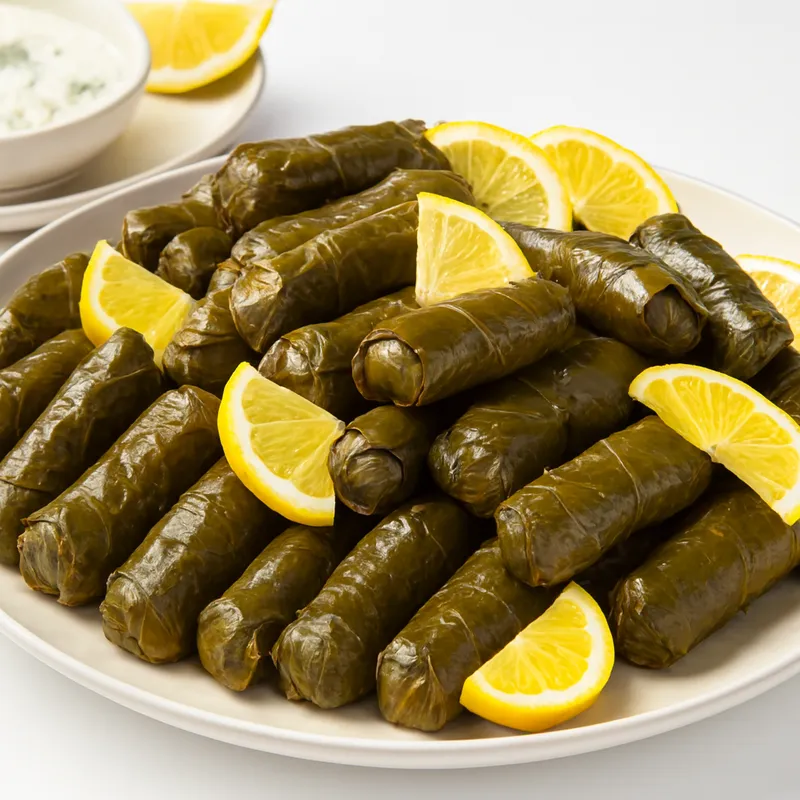
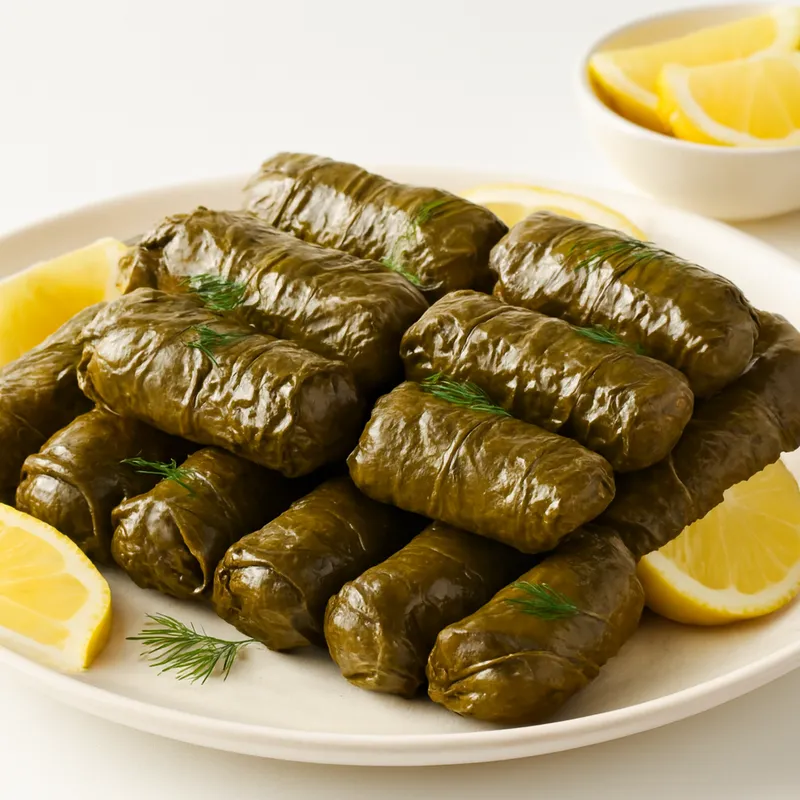
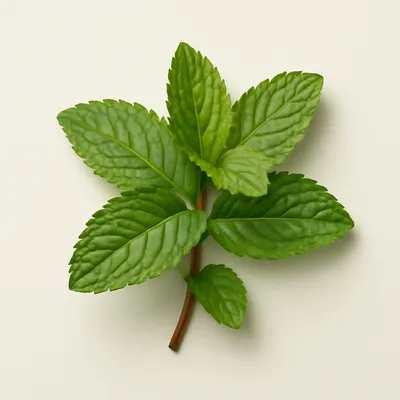
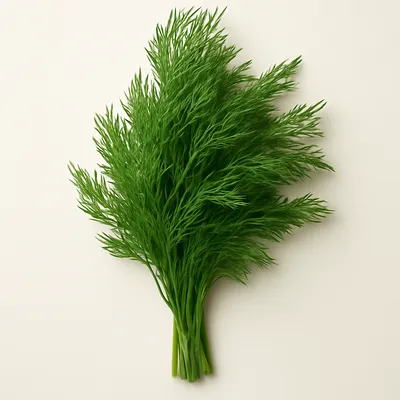
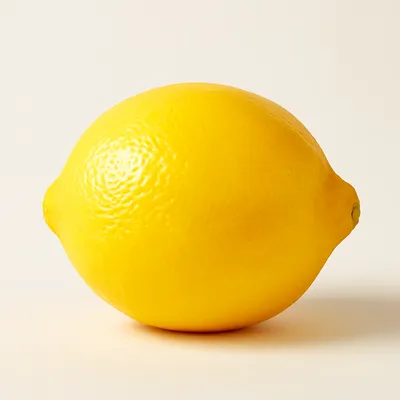
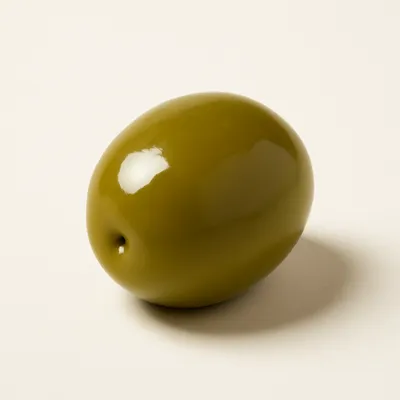
Cigar-shaped grape leaves, each one rolled tight around rice cooked with onion, pine nuts, currants, dill and mint, then braised in olive oil and lemon. Served cold or room temperature, never hot. The leaf should be tender enough to bite through cleanly but firm enough to hold its shape — slimy leaves mean over-blanching, tough leaves mean under.
The currants and pine nuts aren't decorative — currants supply slow-release sugar that balances the leaf's tannin, pine nuts add the only fat texture in an otherwise lean filling. The braising liquid should reduce until the rolls glisten but don't sit in liquid; lemon goes in twice — once during braising for penetration, once at finish for brightness, since acid dulls with prolonged heat.
Variations
Zeytinyağlı yaprak sarma (Aegean cold, olive-oil only); etli yaprak sarma (Anatolian hot, with lamb and yogurt); Greek dolmades drop the currants; Lebanese warak enab adds pomegranate molasses to the braise.
On the Palate
Where Dolma sits in the Turkish flavor cloud
Ingredients





How it's made
5 steps · 1 hour 30 min
- 110 min
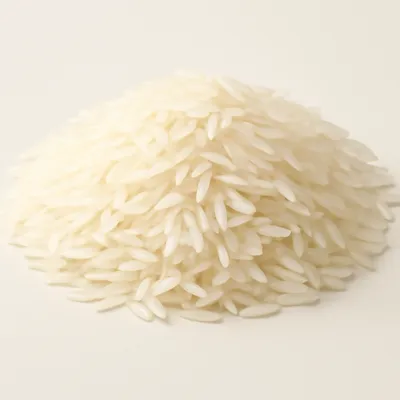
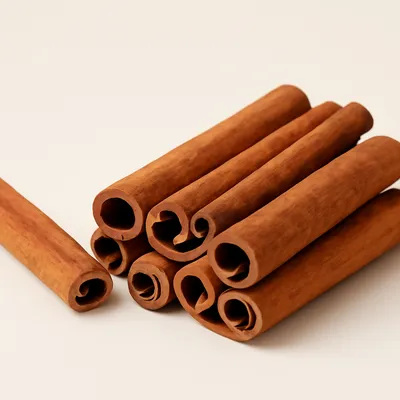
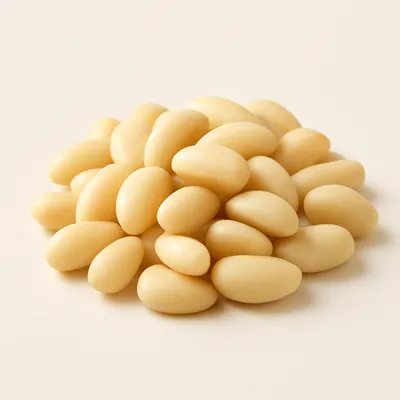
Rinse the grape leaves under cold water, removing any brine. Pat them dry gently with a clean kitchen towel and set aside. In a large bowl, combine the rice, currants, finely chopped onion, mint, dill, pine nuts, allspice, and cinnamon. Mix until the ingredients are evenly distributed.
- 220 min
Lay a grape leaf flat and shiny side down. Place a tablespoon of the rice mixture near the stem end. Fold the sides over the filling and roll up tightly like a cigar. Repeat with the remaining leaves and filling.
Watch outRoll it firm enough to hold but with a hair of give — a parcel that feels rock-hard will split as the rice swells.
- 35 min
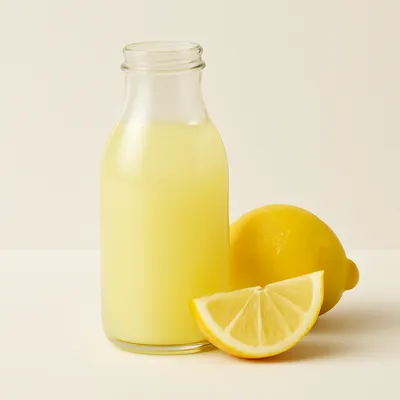
Arrange the stuffed grape leaves seam side down in a single layer in a large pot. Pour olive oil and the juice of one lemon over the top. Add enough water to almost cover the dolmas.
Watch outPack them seam-down and shoulder to shoulder so they can't unroll — a loose pot lets them float open.
- 450 min
Bring the pot to a gentle simmer over medium heat. Cover and cook for 40-50 minutes until the rice is tender and the flavors have melded. The aroma of spices should fill your kitchen.
Watch outKeep it at a whisper of a simmer — just the faintest bubbles — and stop when the rice is tender, not mushy.
- 55 min
Once cooked, allow the dolmas to cool in the pot. Serve at room temperature, drizzled with a little extra olive oil and a squeeze of fresh lemon juice.
Archive tool suggestions — not reviewed
These legacy suggestions have not been evidence-reviewed and are not presented as required tools.