


Origin is contested between Tunisia, Libya, and Yemen, but the Tunisian claim is strongest — the word likely comes from the Maghrebi Arabic shakshek, meaning a mixture or shake-up, and Tunisian Jewish cooks brought it to Israel in the 1950s after expulsion. It became Israeli breakfast canon by the 1990s. Tomatoes only entered the dish after the Columbian exchange — the pre-tomato version used pomegranate or sour grape juice as the acid.
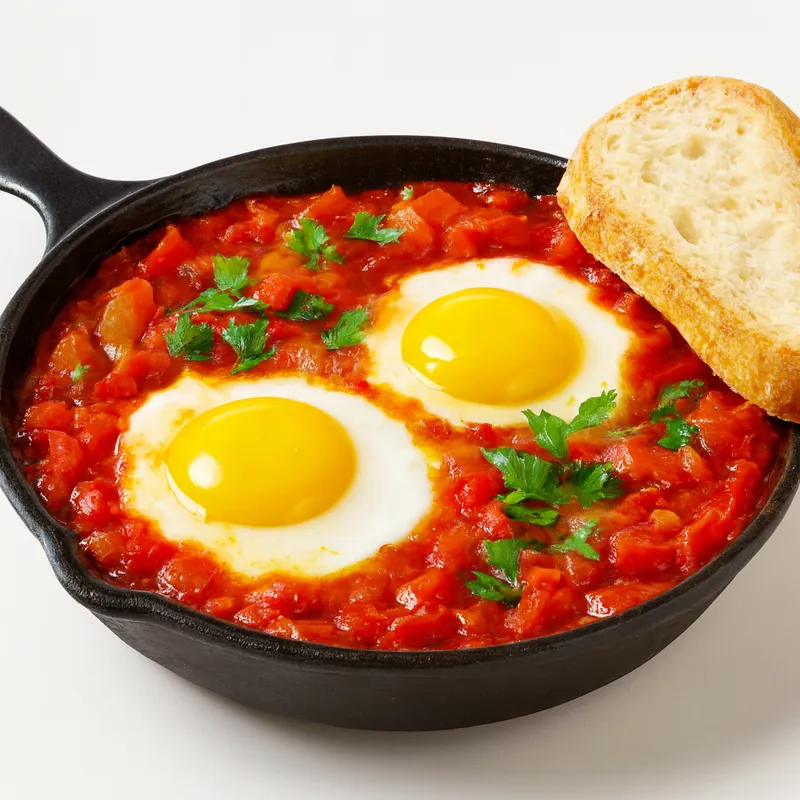
North-African-via-Tunisia tomato-and-pepper braise with eggs poached in the sauce, brought to Israel by Tunisian and Libyan Jews mid-20th century. The eggs go in last; whites just set, yolks runny. Eaten with bread, never a fork.
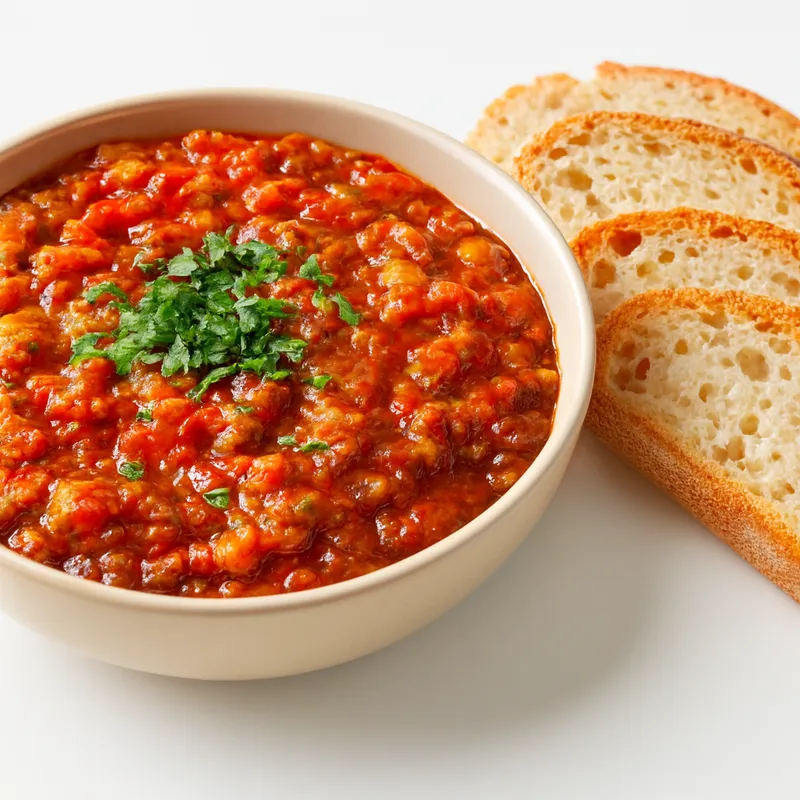
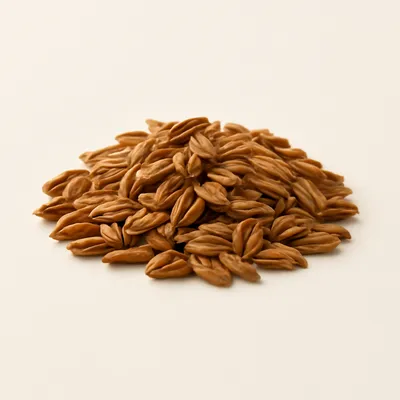
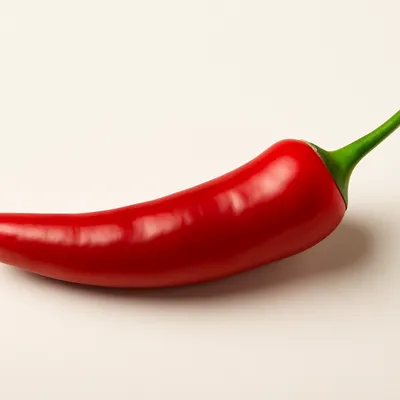
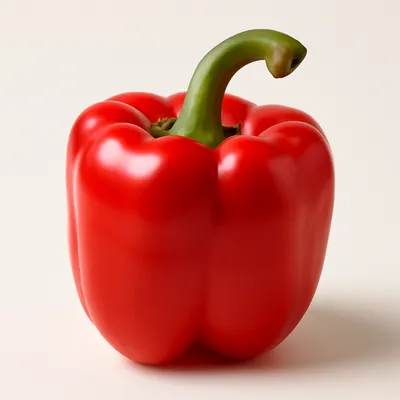
Eggs poached directly into a skillet of tomato-pepper sauce, whites set, yolks still soft. The sauce is chunky — onion, red bell pepper, garlic, cumin, paprika, sometimes harissa — and stained orange-red by the long cook. Tear off crusty bread and dredge straight from the pan. The yolk should break under the bread, not the spoon.
Sauce reduction comes first — the tomato base must be cooked down until a wooden spoon parts it cleanly before eggs go in, otherwise the egg whites bleed into a watery sauce and never set right. Eggs go in cold from the fridge into hot sauce, lid on, low heat — the sauce cooks the bottoms, the trapped steam cooks the tops. About four minutes for runny yolks.
Variations
Tunisian original uses harissa; Libyan-Jewish version is closer to a tomato-stew with sausage (shakshuka mafrouma); Israeli cafés add feta or labneh on top; the Yemenite-Israeli version uses zhug; green shakshuka swaps tomato for spinach, kale, and tomatillo (modern restaurant invention).
On the Palate
Where Shakshuka sits in the Israeli flavor cloud
Cook the tomato base down until a wooden spoon parts it cleanly before the eggs go in — a watery sauce lets the whites bleed out and they never set right.
Ingredients




How it's made
4 steps · 22 min
- 15 min
In a large skillet, heat olive oil over medium heat. Add chopped onions and garlic, sautéing until the onions are translucent and the garlic is fragrant.
Watch outEnsure the oil is not too hot to avoid burning the garlic.
- 210 min
Add chopped tomatoes, chili pepper, and cumin to the skillet. Stir and cook until the tomatoes break down into a thick sauce, about 10 minutes. The sauce should be rich and aromatic.
Watch outKeep reducing until the tomatoes stop looking wet and a spoon-drag leaves a lasting track across the pan bottom.
- 35 min
Make small wells in the sauce with a spoon and crack eggs into each well. Cover the skillet and cook until the egg whites are set but the yolks remain runny, about 5 minutes. The eggs should jiggle slightly when the pan is shaken.
Watch outWhites just barely set and the whole pan gives a soft jiggle when you shake it — that's runny yolks, pull it now.
- 42 min
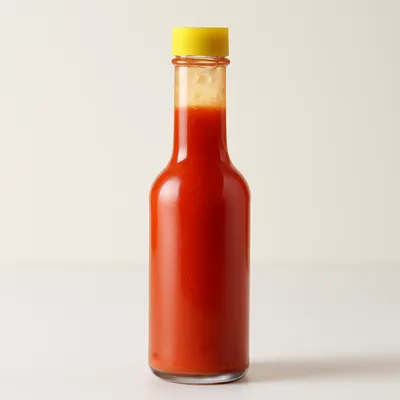
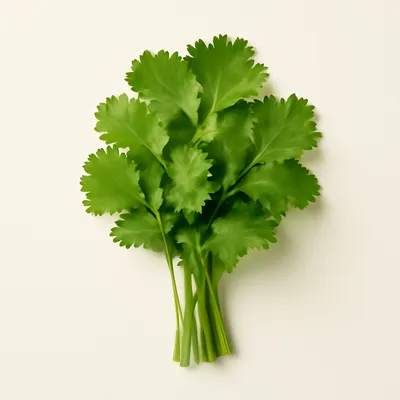
Sprinkle with chopped cilantro and a dollop of harissa before serving. The dish should be vibrant with a hint of spice from the harissa.
Watch outBring the pan straight to the table and scoop it up with warm bread — that's how it's meant to be eaten. The chili paste is fierce, so add it to taste.
Archive tool suggestions — not reviewed
These legacy suggestions have not been evidence-reviewed and are not presented as required tools.