
Israeli
Sabich: eggplant-egg pita.
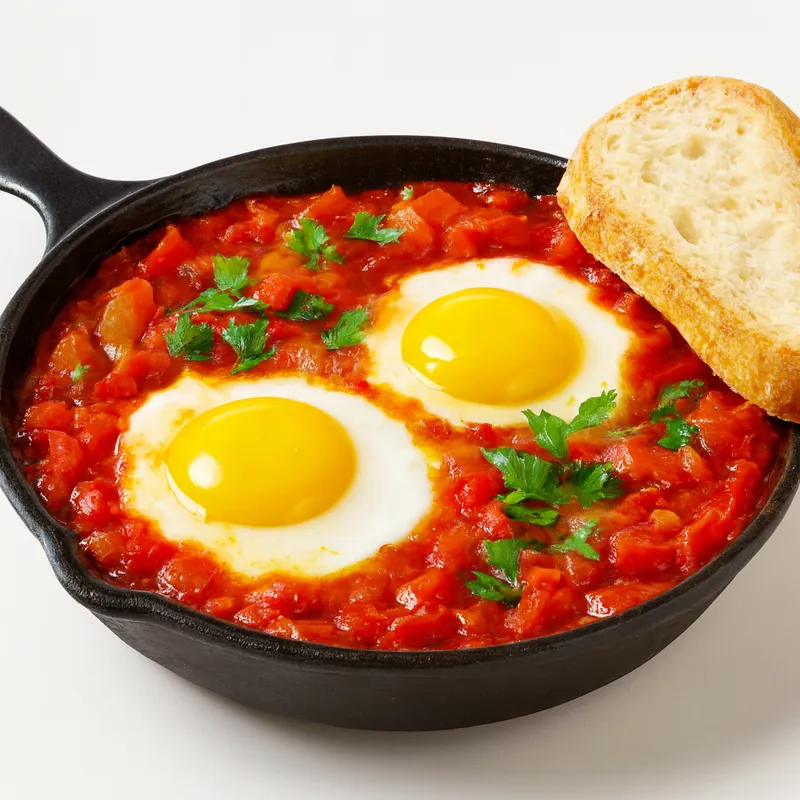
Shakshuka
Shakshuka, poached eggs in a spicy tomato sauce, reflects the vibrant and diverse flavors of Israeli cuisine.
View page →An Israeli meal is younger than it looks — the country is barely seventy-five years old, but the food arrived from everywhere at once. Yemenite Jachnun baked overnight on a Shabbat hot plate. Iraqi-born Sabich folded into pita on a Tel Aviv street corner. Polish Ashkenazi kugel beside Tunisian couscous. Mahane Yehuda market stall owners shouting over trays of Bourekas, pickled turnips, and olive-oil-soaked labneh.
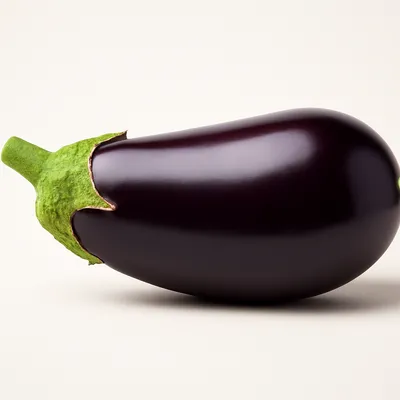
What the country's cooks have done is wrap all of those diasporas around the Mediterranean pantry they arrived into — olive oil, tahini, za'atar, sumac, fresh tomato, cucumber, and herbs by the bunch — and turn it into a loud, breakfast-heavy, vegetable-forward food culture that starts before work and keeps going well past dinner. Breakfast is Shakshuka in a cast-iron pan. Lunch is a Sabich layered with fried eggplant, hard-boiled egg, and amba mango pickle. Dinner is a long table, plate after plate, someone always bringing one more thing out of the kitchen.
The Palate
Start Here
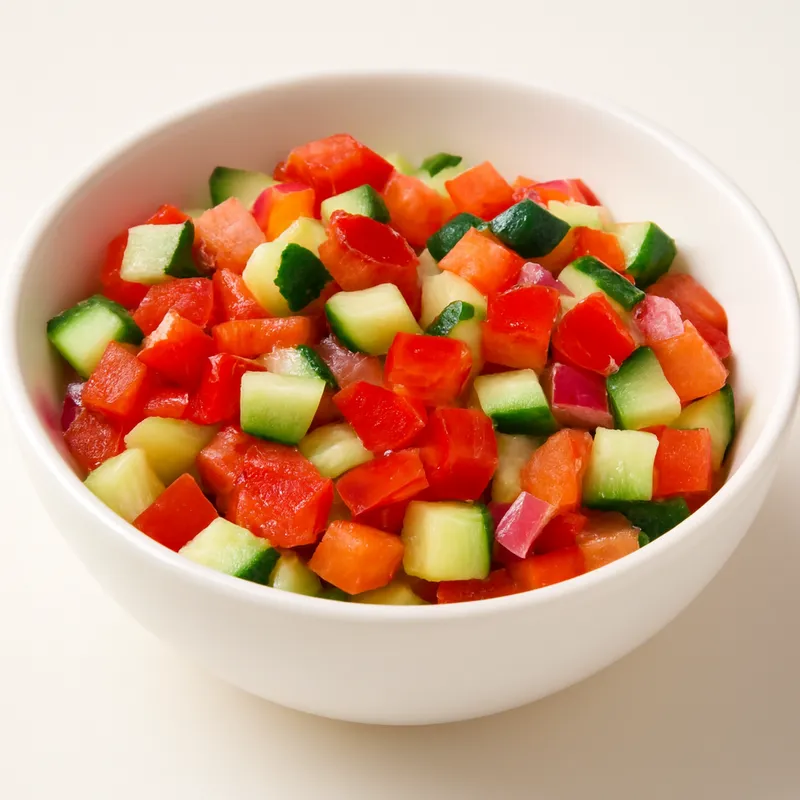
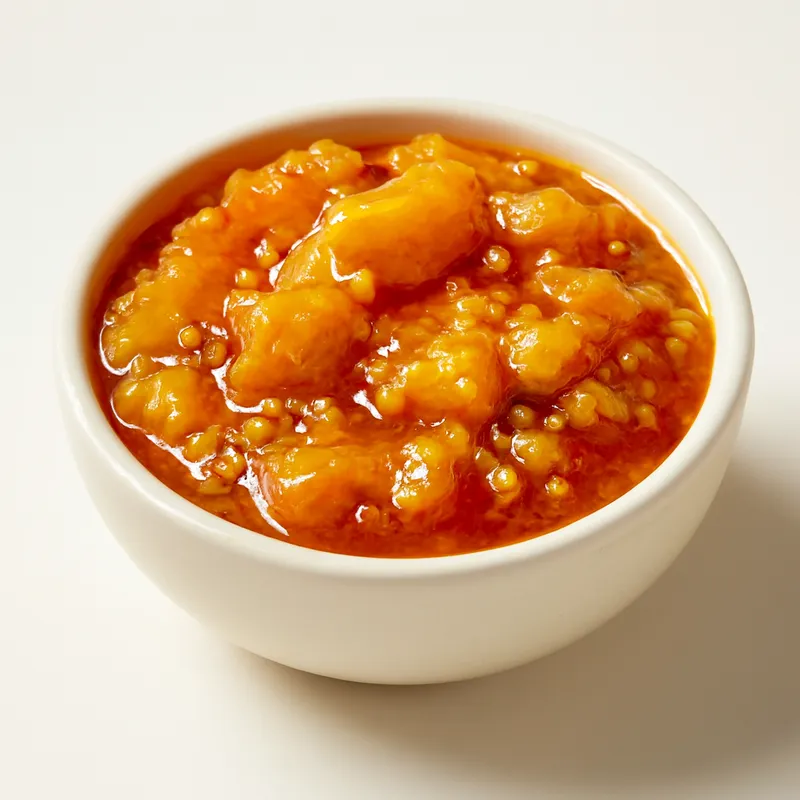
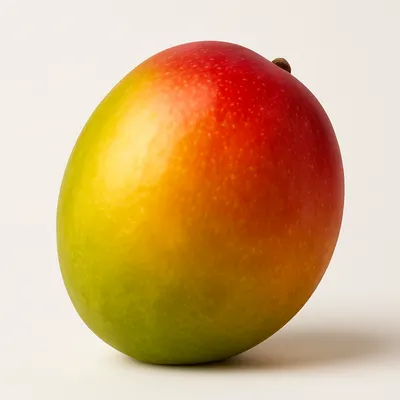
Pita stuffed with fried eggplant, hard-boiled egg, Israeli salad, tahini, and amba — a fermented mango pickle. An Iraqi-Jewish sandwich that got reinvented on Tel Aviv streets.
Why start here · The most Israeli of sandwiches — takes a Shabbat-morning Iraqi-Jewish breakfast and turns it into street food. Shows the diaspora-becomes-Israel story in one pita.
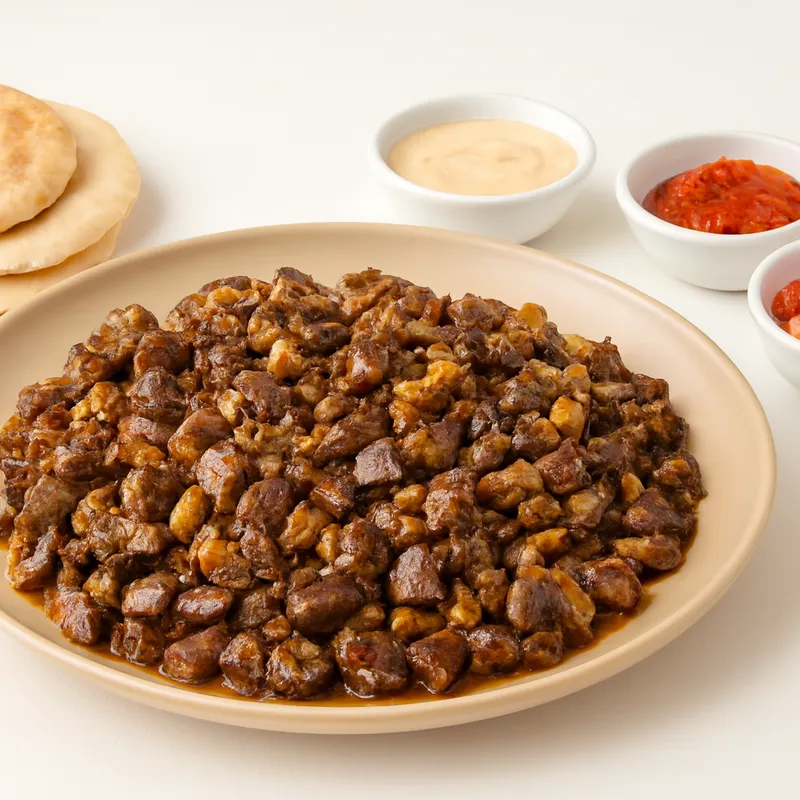
Chicken hearts, livers, and spleens griddled fast with onion, olive oil, and baharat spice, wrapped in pita with pickles and tahini. A late-1970s Jerusalem market invention.
Why start here · A purely Israeli dish — born in Machane Yehuda, not inherited from anywhere else. Teaches high-heat griddle cooking and the Israeli love of organ meat.
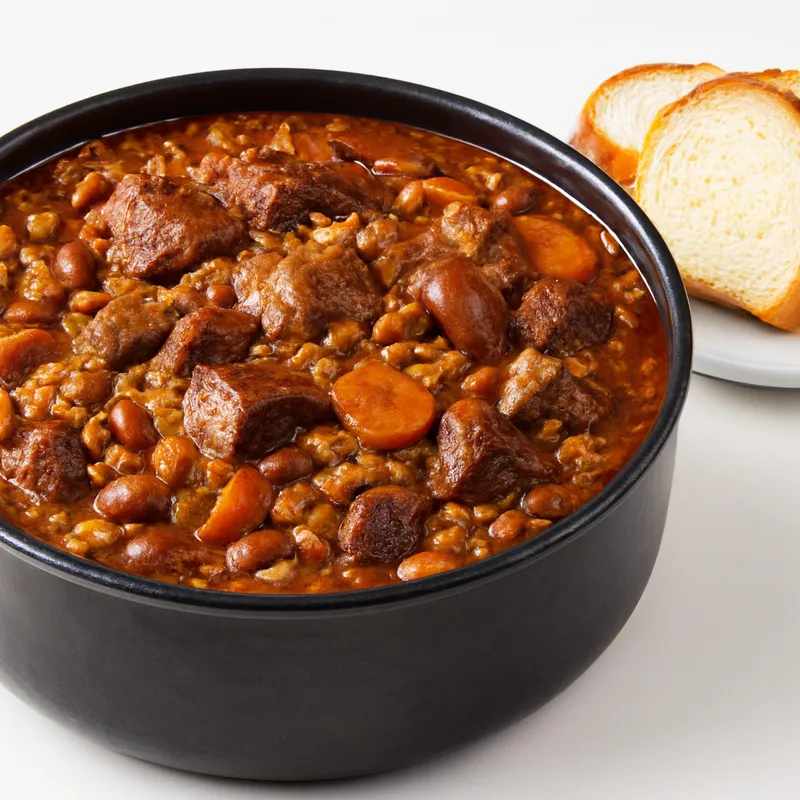
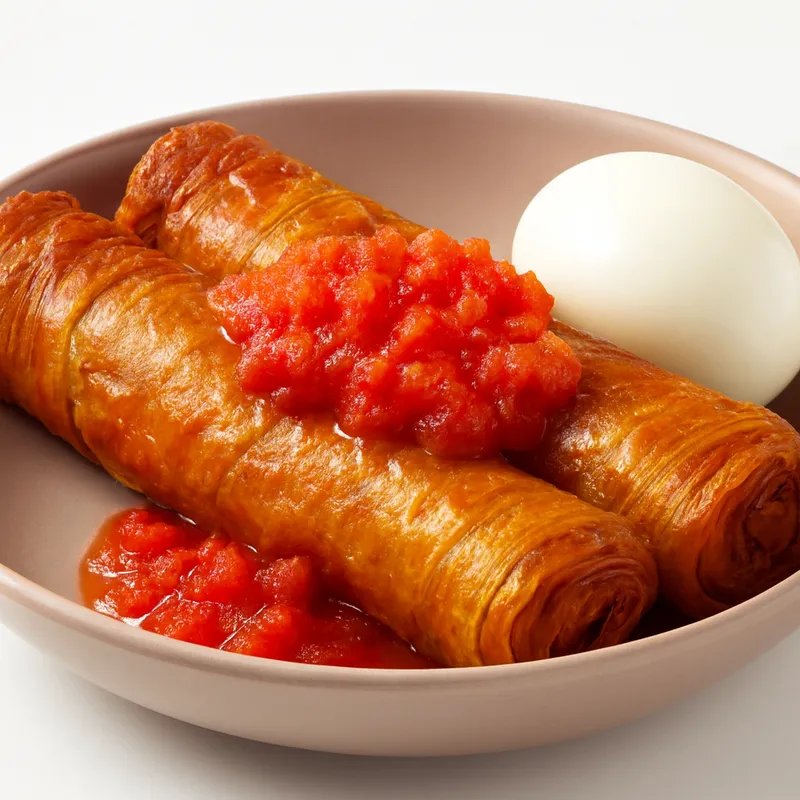
Yemenite-Jewish slow-baked bread, rolled tight with butter and baked overnight until the layers turn dark, sweet, and lamination-flaky. Served with tomato dip, zhug, and hard-boiled egg.
Why start here · The Shabbat-morning dish that proves what slow heat can do to dough — and shows how Yemenite cooking shaped the Israeli weekend table.
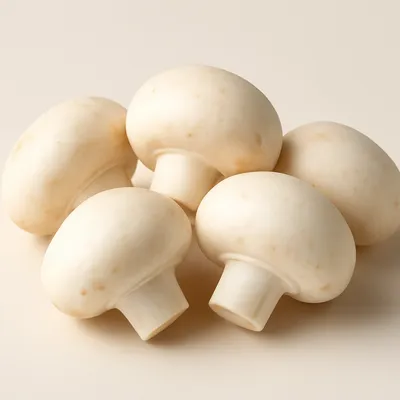
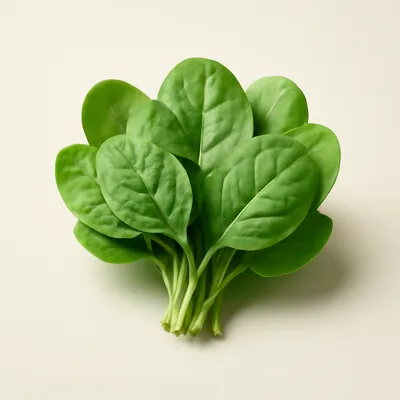
Sephardi filo or puff-pastry turnovers stuffed with cheese, potato, mushroom, or spinach. Baked until the layers shatter on first bite.
Why start here · The most Israeli of pastries — Sephardi origin, ubiquitous at bakeries, bus stations, and bar mitzvahs. A fast entry into the country's Balkan-Sephardi inheritance.
The Pantry





See all 80 ingredients›










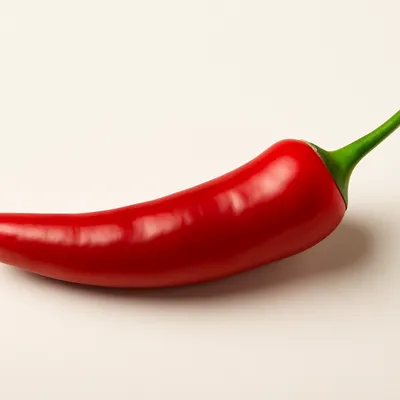
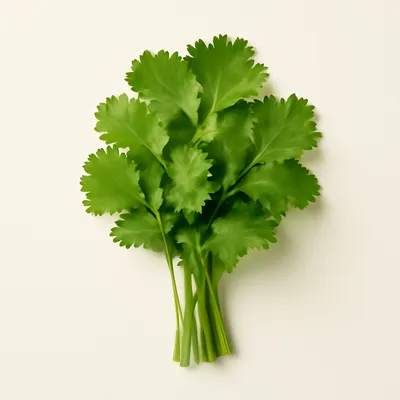


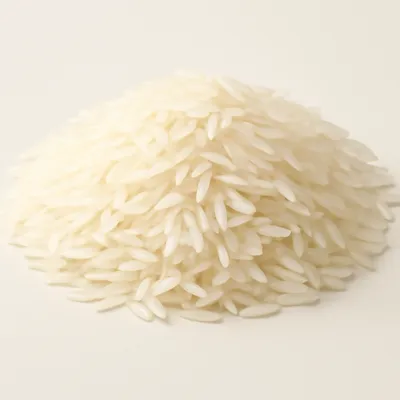

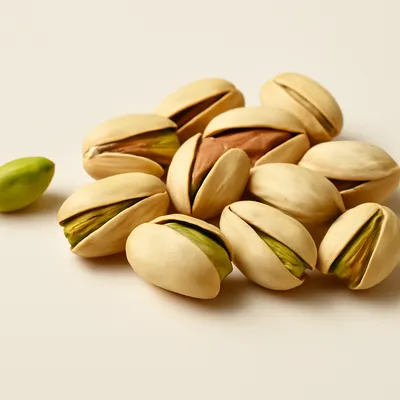






Sauces & Condiments





On the Map
Where this cuisine is found
Regional Styles
Tel Aviv
The culinary capital runs on breakfast cafés, hummus joints, and midnight Sabich bars — younger, more experimental, and heavier on Mizrahi-Iraqi street food than on tradition.
Jerusalem
The older kitchens lean Ashkenazi, Yemenite, and Sephardi — home of Jerusalem Mixed Grill from Machane Yehuda market, the Shabbat overnight Cholent, the Yemenite Jachnun, and the stuffed-grain Kubbeh floating in sour soup.
How They Cook
Techniques that define this cuisine
See 9 more techniques›
Kindred Kitchens
Cuisines built on the same signature ingredients