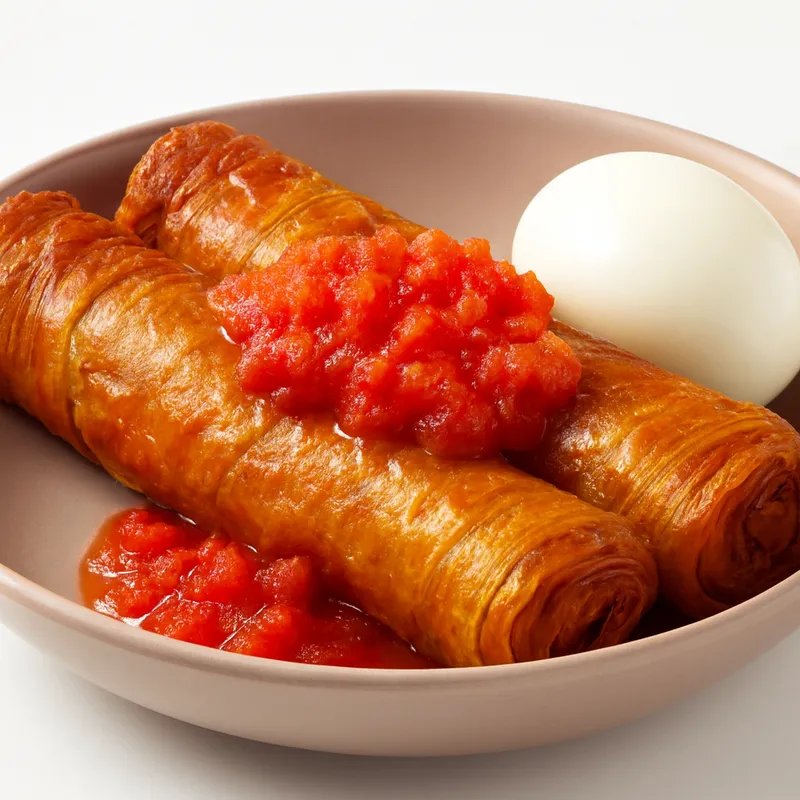
Semolina dumplings filled with spiced meat, often served in soup.


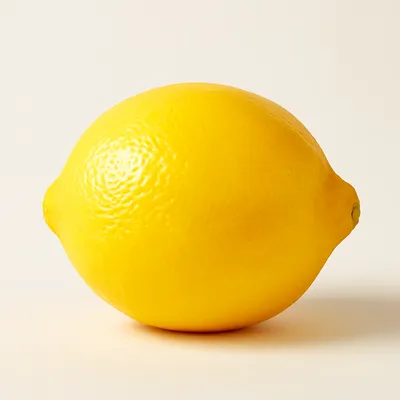

Iraqi-Kurdish Jewish soup dumplings, distinct from the Levantine fried kibbeh of Lebanon and Syria. The kubbeh-in-soup format belongs to the Kurdish Jews of Zakho and Mosul, who arrived in Israel in 1950–52. Jerusalem's Mahane Yehuda market remains the kubbeh capital — a few family-run kitchens pleat the dough by hand for the lunch rush.
Iraqi-Kurdish Jewish soup dumplings — distinct from the Levantine fried kibbeh — brought by the Kurdish Jews of Zakho and Mosul in 1950–52. Dough is bound only with water and a little flour, no egg; gluten development from kneading is what survives the simmer. Jerusalem's Mahane Yehuda market remains the kubbeh capital.
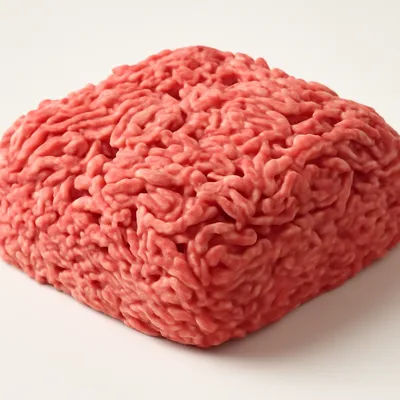
A torpedo or sphere of semolina-or-bulgur shell wrapped around spiced minced beef or lamb, dropped into a colored soup — beet-red kubbeh selek, golden squash kubbeh hamusta with chard and lemon, or clear stock. The shell must hold through the simmer then yield to a spoon; if it dissolves into the soup, the dough was too wet.
Semolina shells (Kurdish-style) are pliable and slightly chewy; bulgur shells (Syrian-influenced) are denser and crack more easily. The dough is bound only with water and a little flour — no egg — so it survives the simmer through gluten development from kneading, not from binders. Beet soup gets its acidity from lemon plus the beet's own oxalic notes, which keep the meat reading lighter than a tomato base would.
Variations
Kubbeh selek (beet-red, sour, Iraqi-Kurdish); kubbeh hamusta (chard, lemon, golden squash, the summer one); kubbeh adom (red, tomato base); Syrian-influenced bulgur shells crack more easily; Aleppo's fried kibbeh nayyeh is the raw ancestor; Mahane Yehuda mainstays Morduch and Azura set the Jerusalem benchmark.
On the Palate
Where Kubbeh sits in the Israeli flavor cloud
Ingredients
How it's made
5 steps · 45 min active + 15 min waiting
- 15 min
Combine the cracked wheat with warm water in a bowl and let it sit until the grains absorb the water and soften. This should take about 20 minutes.
- 210 min
In a large bowl, mix the soaked cracked wheat with finely ground meat, semolina, and spices. Knead the mixture until smooth and cohesive, like a dough.
Watch outEnsure the mixture is smooth and cohesive — any lumps will make shaping difficult.
- 310 min
Shape the mixture into ovoid forms, about the size of an egg. Use wet hands to prevent sticking as you work.
- 45 min
In a pot, bring the broth to a simmer over medium heat. Gently add the kubbeh, ensuring they are submerged in the broth.
- 515 min
Simmer the kubbeh in the broth until they are cooked through and tender, about 15 minutes. The kubbeh should float to the surface when done.
Watch outMake sure the broth stays at a gentle simmer — a rolling boil might break the kubbeh apart.
Archive tool suggestions — not reviewed
These legacy suggestions have not been evidence-reviewed and are not presented as required tools.