The unassuming hero that brightens and lifts any dish with a whisper of green.
Bright and fresh with a peppery bite, parsley has a crisp texture and a clean, herbal flavor that lifts dishes from mundane to memorable. Its vibrant green hue adds visual appeal to any plate.
Where it comes from
Widely used in Mediterranean cuisine, parsley has ancient roots, often associated with death and rebirth in Greek culture, where it was used to honor heroes.
In the kitchen
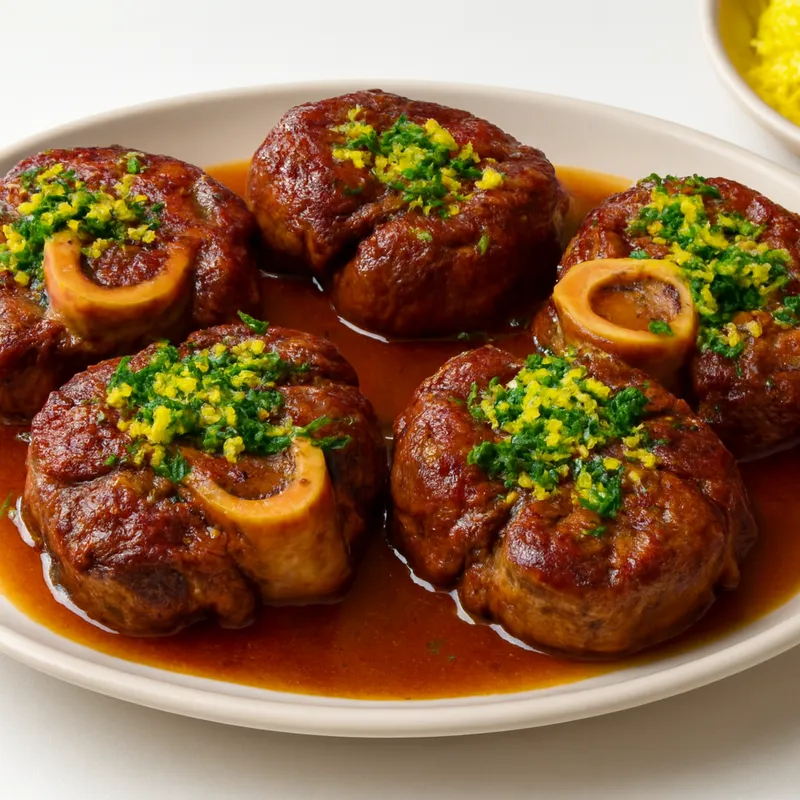
Parsley is a versatile garnish and flavor enhancer, commonly used in salads, sauces, and as a finishing touch to elevate the presentation of a dish.
Across cuisines
In Turkish cuisine, parsley is a staple in herb mixes like 'maydanoz' used in salads, pilafs, and as a garnish. It is often combined with mint and dill to create a fresh and aromatic base. Parsley is frequently used raw to retain its bright flavor and is a key component in dishes like kisir and lahmacun.
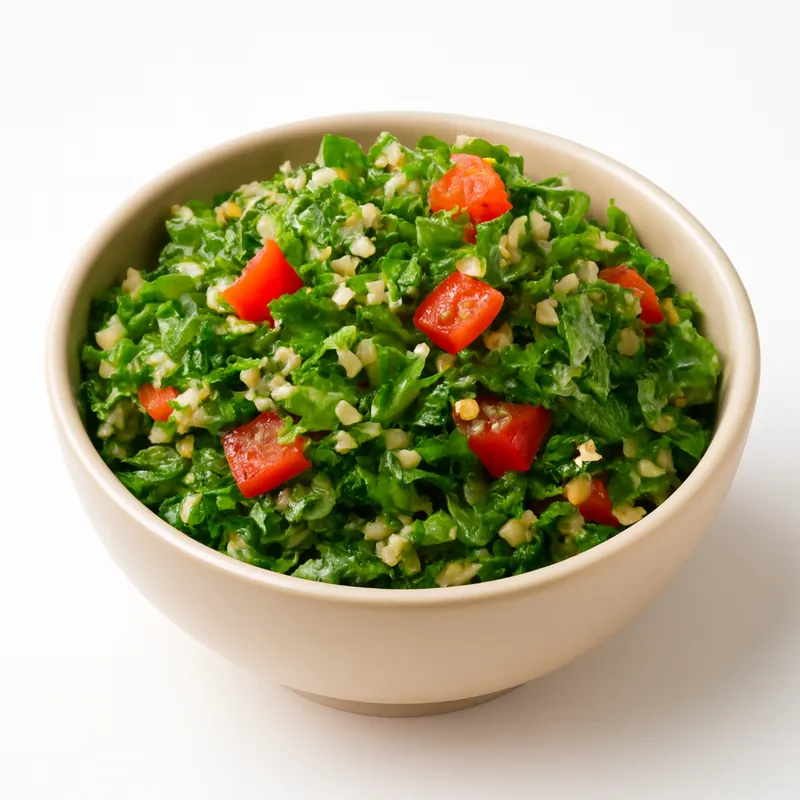
In Middle Eastern cuisine, parsley is used in large quantities, especially in tabbouleh where it is the primary ingredient. It is finely chopped and mixed with bulgur, tomatoes, and mint, forming a refreshing salad. Parsley is also integral to falafel, where it is blended into the chickpea mixture for flavor and color.
In Middle Eastern cuisine, parsley is used in large quantities, especially in tabbouleh where it is the primary ingredient. It is finely chopped and mixed with bulgur, tomatoes, and mint, forming a refreshing salad. Parsley is also integral to falafel, where it is blended into the chickpea mixture for flavor and color.
Nutrition (per 100g)
AI-estimated; model and run unavailable.
Pairs well with