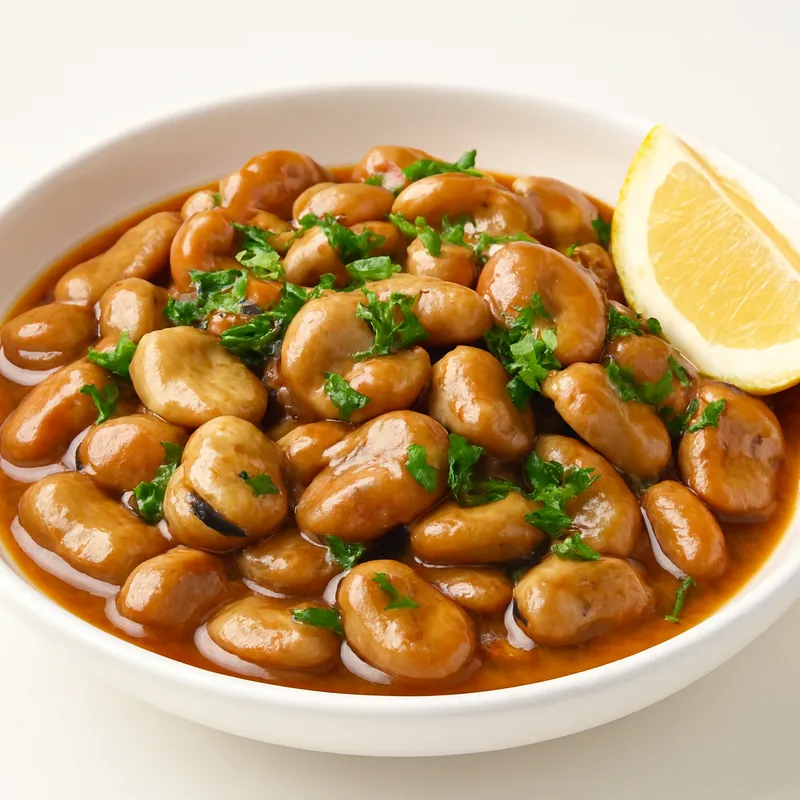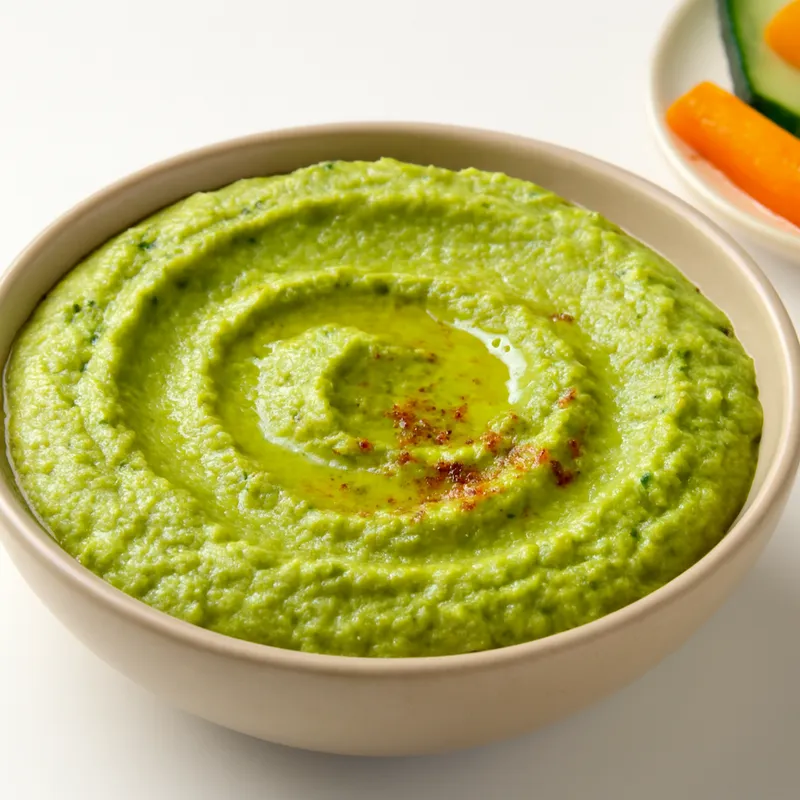



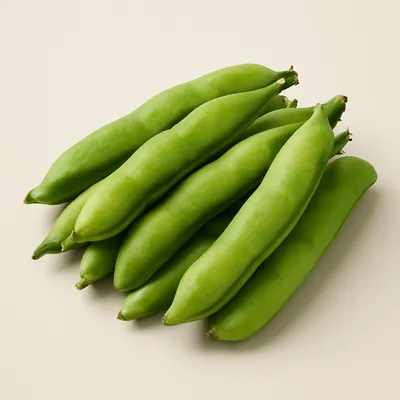
Disputed origin — claims range across the Levant, Palestine, Syria, Turkey and Greece, but most accounts point to Egypt, where the local version (ta'ameya) remains fava-bean-based to this day. A popular story credits Egypt's Coptic Christians, who used fava-bean fritters as a meat substitute during Lent fasts, but there is little hard evidence for it and 'falafel' is not a Coptic word. The often-repeated claim that the dish dates to Pharaonic Egypt is likewise doubted: the earliest written references appear only in the 19th century, and deep-frying oil would have been costly in antiquity. What is clear is that falafel spread out of Egypt to the Levant only after World War I — fava beans were swapped for chickpeas or a mix of both, and a dedicated falafel shop had opened in Beirut by 1933; both versions coexist. Israel adopted falafel as a national symbol after its 1948 independence, which has fueled fierce regional debate since the dish predates the state by centuries.
Levantine fried chickpea ball — Egyptian version (ta'amiya) uses fava beans, Lebanese-Palestinian-Israeli versions use chickpeas. The chickpeas must be soaked, never cooked, before grinding; cooked chickpeas turn it to mush.
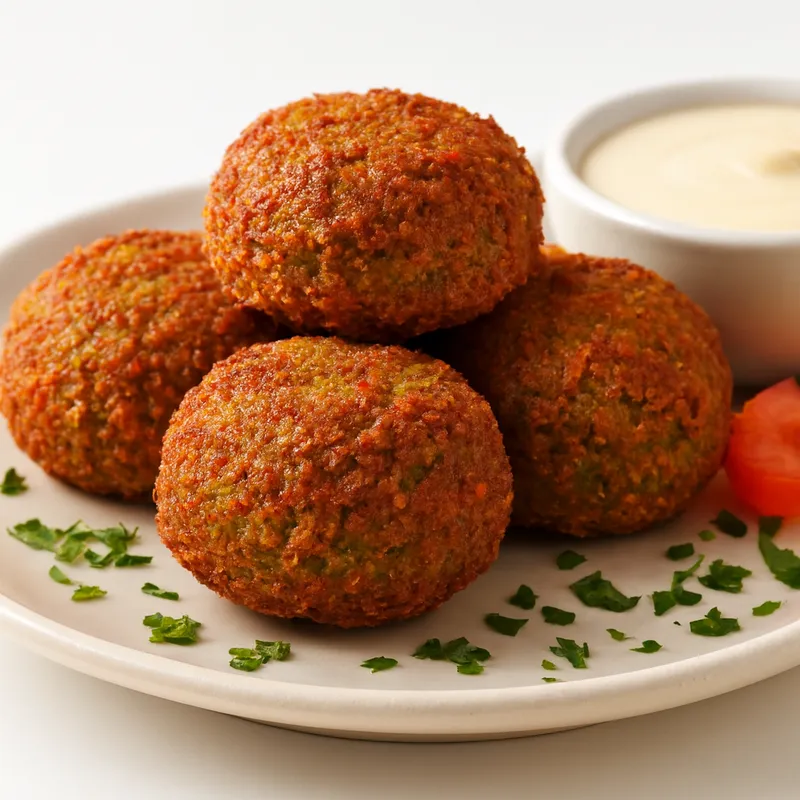
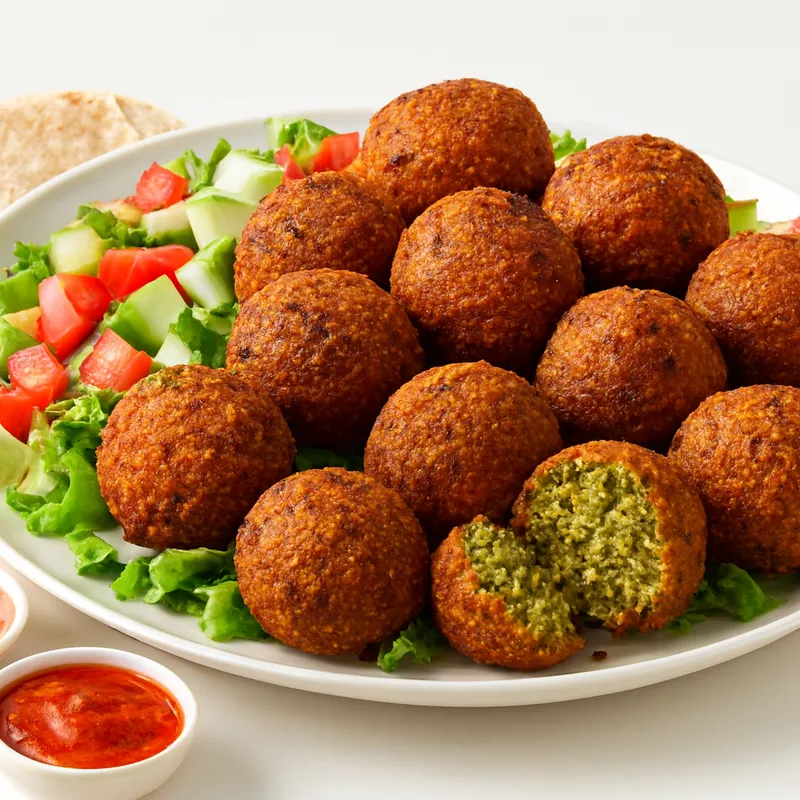
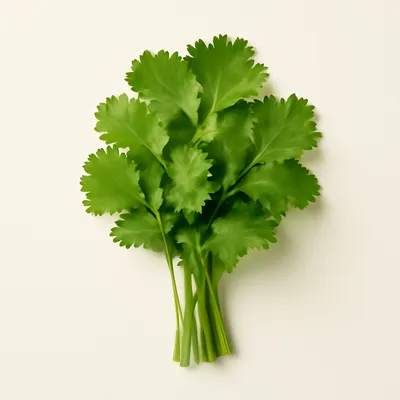
Crunchy outside, herbaceous green inside — the green comes from raw parsley and cilantro pounded into the chickpea (or fava) paste before frying. Stuffed in pita with tahini sauce, tomato, cucumber, pickle, fresh chili, sometimes amba. Eat one-handed, leaning forward so the sauce drips on the plate, not the shirt.
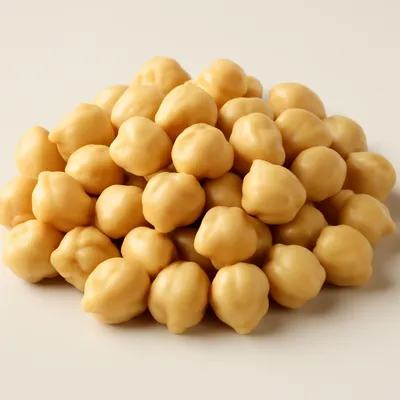
Raw chickpeas — soaked overnight, never cooked — are the structural foundation. Cooked chickpeas have too much moisture and the falafel falls apart in the fryer. The soaked-and-ground texture must be coarse, not paste-smooth, to trap air pockets that crisp during frying. Frying temperature is also critical: 175°C exactly. Cooler and the falafel absorbs oil; hotter and the inside stays raw while the outside burns.
Variations
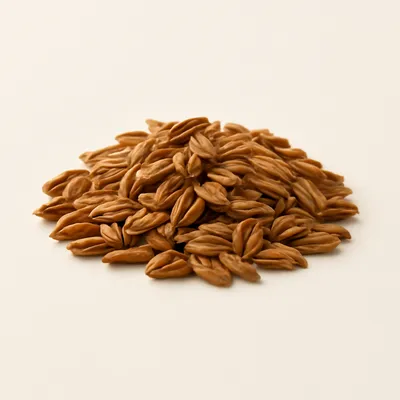
Egyptian ta'amiya uses fava and is greener inside; Lebanese version is heavier on cilantro; Palestinian style adds more cumin; Israeli versions sometimes mix chickpea and fava; Yemeni-Israeli cooks add hawaij; the Tel Aviv pita-stuffed format is the diaspora's contribution.
On the Palate
Where Falafel sits in the Egyptian flavor cloud
Use raw soaked chickpeas ground coarse — never cooked — because cooked beans hold too much water and the falafel disintegrates in the oil.
Ingredients





How it's made
4 steps · 28 min
- 15 min
In a food processor, combine chickpeas, onion, garlic, parsley, cilantro, and cumin. Pulse until the mixture is coarse and holds together when pressed. The aroma should be herbaceous and slightly spicy.
Watch outPulse to a coarse crumble that clumps when you squeeze a handful — if it won't hold, it's still too dry to shape.
- 210 min
Form the mixture into small balls or patties, about the size of a walnut. They should be compact but not overly dense.
- 35 min
Heat oil in a deep pan over medium heat until it shimmers. Carefully lower the falafel into the oil; they should sizzle upon contact.
Watch outThe oil is ready when a falafel dropped in sizzles briskly at once — a lazy bubble means it's too cool.
- 48 min
Fry the falafel in batches, turning occasionally, until they are golden brown and crispy on all sides. The exterior should be crunchy, while the inside remains tender.
Watch outFry to a deep even golden and crisp all over; cut one open — the inside should be cooked through but still tender green.
Archive tool suggestions — not reviewed
These legacy suggestions have not been evidence-reviewed and are not presented as required tools.