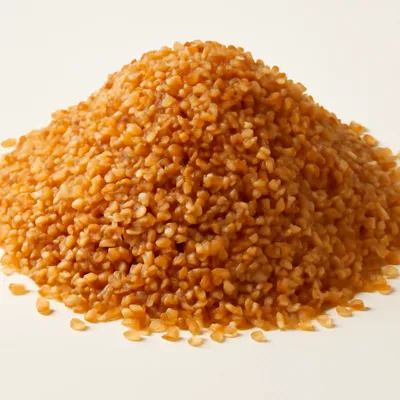
Nutty and chewy, bulgur offers a hearty texture and a subtle earthy flavor that enhances salads and grain dishes. It’s a wholesome ingredient that provides a satisfying bite, often used in Mediterranean cuisine.
Where it comes from
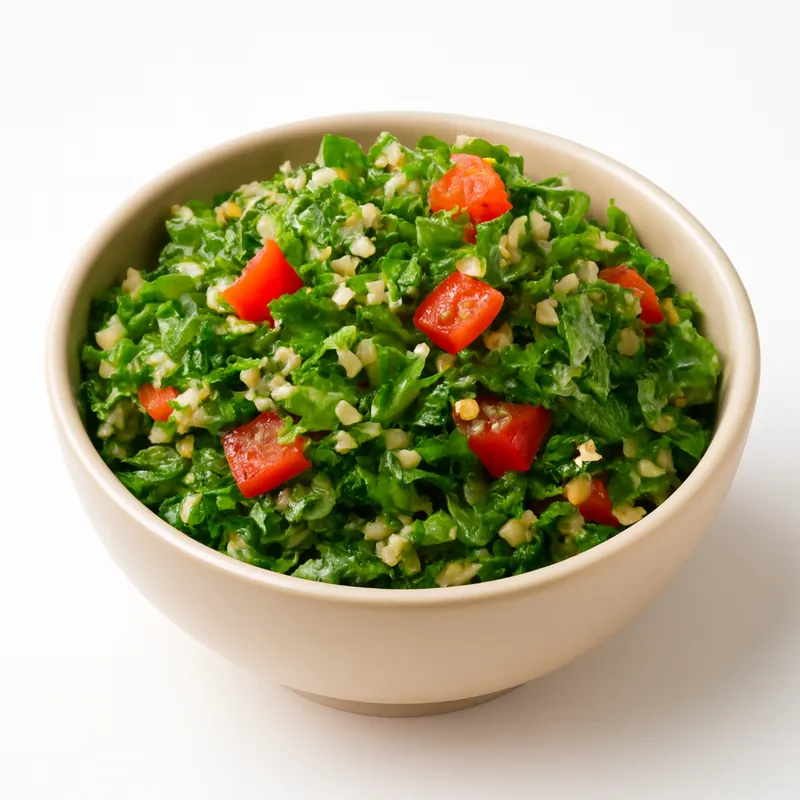
Bulgur has ancient origins in the Middle East, where it has been a dietary staple for thousands of years, often incorporated into dishes like tabbouleh and pilafs.
In the kitchen
Typically soaked or cooked before serving, bulgur adds a delightful chew to salads, soups, or grain bowls, complementing vegetables and proteins beautifully.
Across cuisines
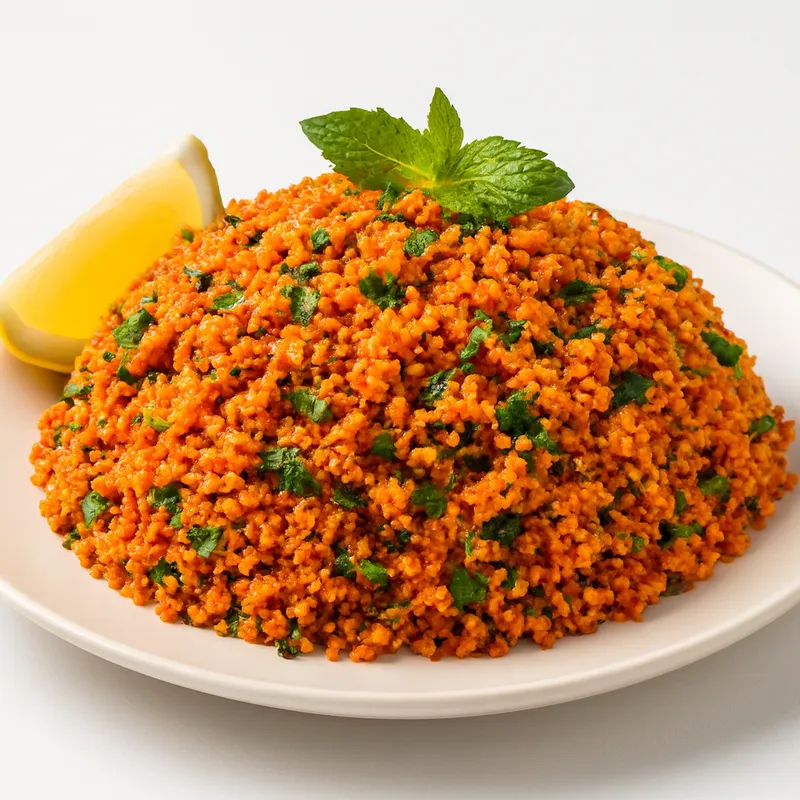
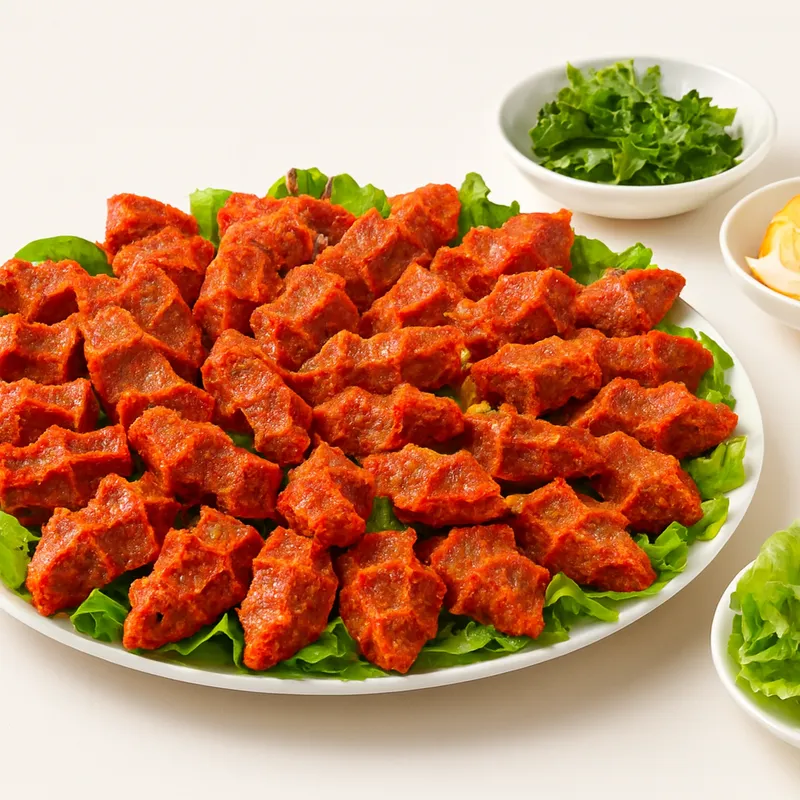
Bulgur (cracked wheat, parboiled and dried) is the Anatolian grain staple — cooked into pilavs as an alternative to rice, kneaded into kısır salad and içli köfte (the stuffed bulgur dumpling), and folded into mercimekli köfte (lentil-and-bulgur balls). Eastern Turkey lives on bulgur where the west leans on rice; the grain is the marker of where you are in the country.
Bulgur — cracked parboiled wheat. The Armenian highland grain alternative to rice; central to kufta, pilavi, and bulgur-and-lamb stews.
Bulgur (pourgouri) — the cracked-wheat pilaf that is Cyprus's everyday carbohydrate, more than rice. Source: Wikipedia (Cypriot cuisine).
Nutrition (per 100g)
AI-estimated; model and run unavailable.
Pairs well with