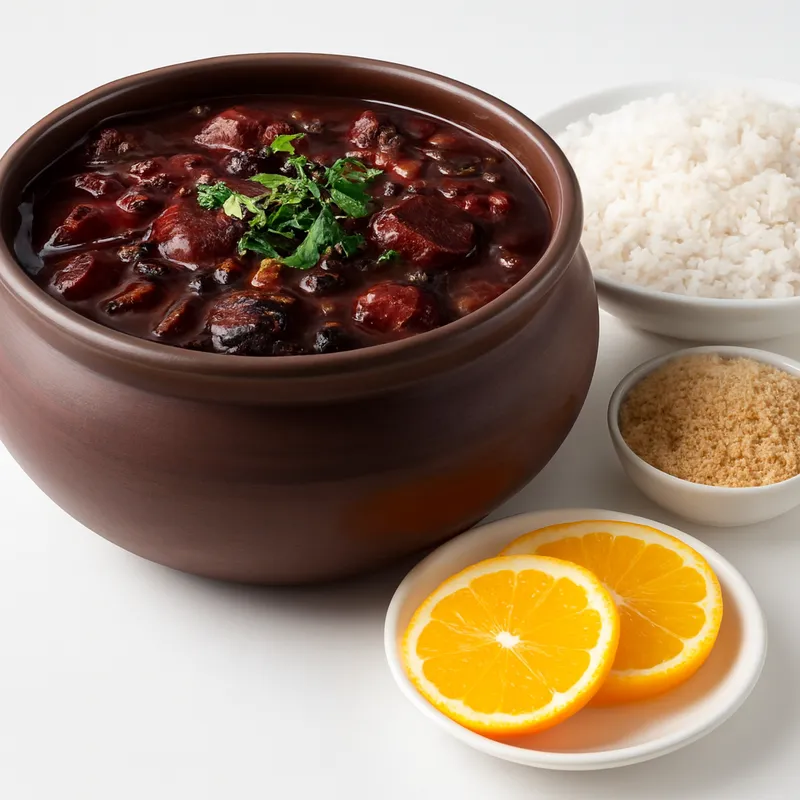




Distinct from the Brazilian feijoada (which uses black beans), the Portuguese version is older and built on white kidney beans grown in the Trás-os-Montes and Beira regions since the 17th century. It is a winter peasant stew that used the smoked pork put up at the November matança (annual pig slaughter), and remains a Sunday lunch in northern Portugal — the thick of it served as a single course, not the multi-stage Brazilian ritual.
Older than the Brazilian black-bean version, built on white kidney beans from Trás-os-Montes and the cured pork put up at the November matança. Sausages go in twice—a chunk early for fat and paprika, slices late so they hold shape.
A dark red bean stew with white kidney beans and an arsenal of pork cuts — chouriço, morcela (blood sausage), pork ear, belly, sometimes pig's foot — slow-cooked in tomato and onion. Often a few rounds of carrot and a shower of fresh parsley at the end. Served over white rice with a side of orelha (sliced pickled pork ear) or simple boiled greens. Heavy, salty, smoky.
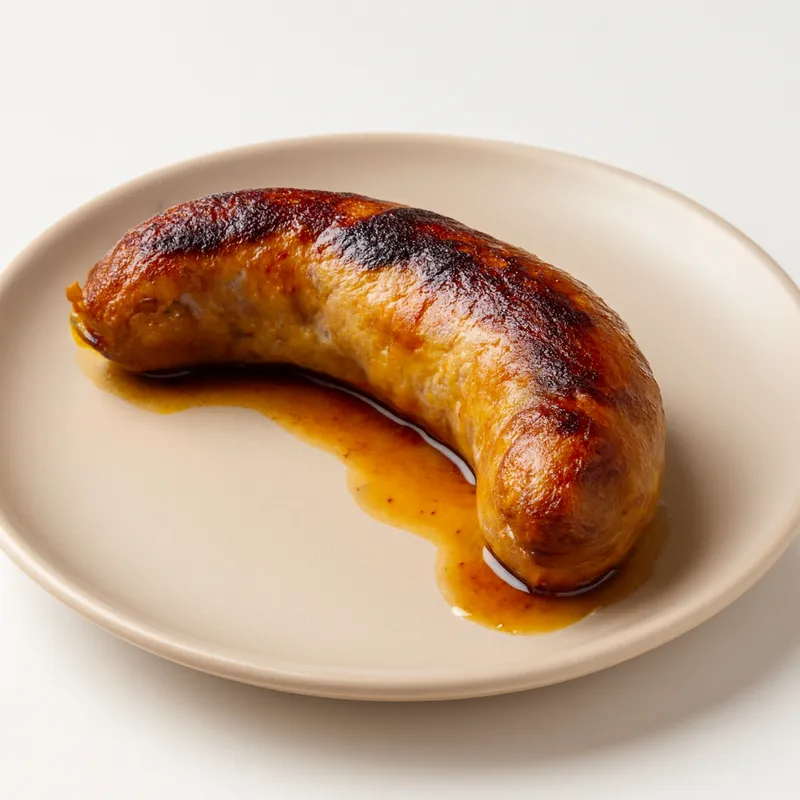
The smoked sausages (chouriço, morcela) are added in two stages: a chunk goes in early to release fat and paprika oil into the broth, the rest goes in for the last 20 minutes so the slices stay structurally whole. Beans must be soaked overnight and started cold — boiling-water shock toughens the skins. The stew benefits from resting overnight; same-day feijoada tastes thinner.
Variations
Trás-os-Montes version is the canonical baseline, traditionally built on red kidney beans (white beans belong more to the northwest, Minho and Douro); Beira cooks lean heavier on morcela; Algarve coastal kitchens sometimes add clams, which northerners consider heresy.
- ·Lighter than Brazilian version
- ·Uses white beans instead of black
- ·Includes more pork cuts and cabbage
On the Palate
Where Feijoada à Portuguesa sits in the Portuguese flavor cloud
Stage the smoked sausage and treat the beans gently: put a chunk of chouriço in early to bleed its paprika fat into the broth, hold the rest back for the last stretch so the slices stay whole, and start the soaked beans in cold water so the skins don't seize and toughen.
Ingredients












How it's made
4 steps · 2 hours 30 min
- 110 min
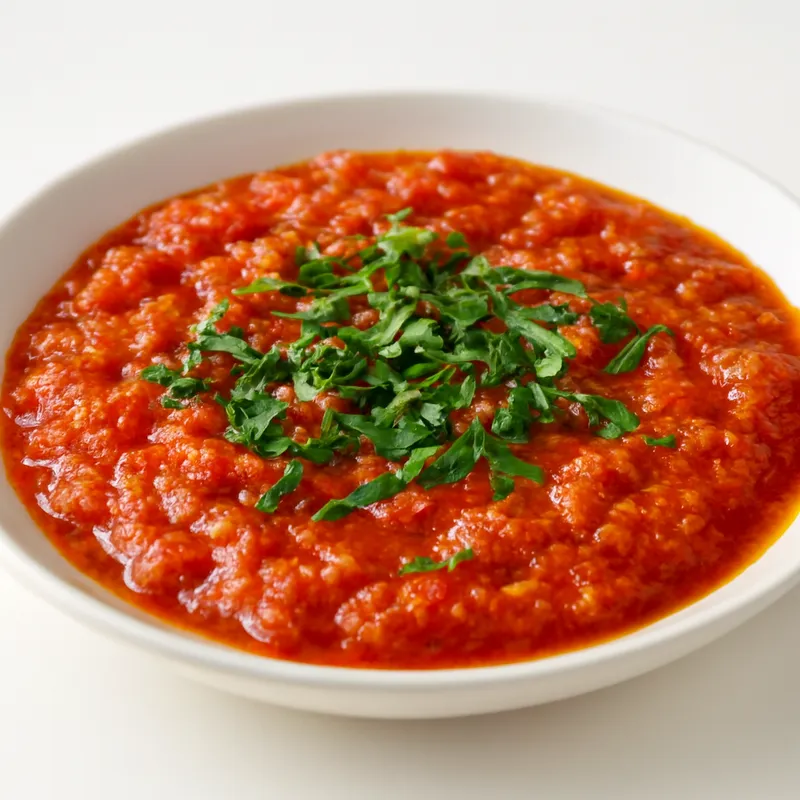
In a large pot, heat olive oil over medium heat. Add chopped onions and garlic, sautéing until the onions are soft and translucent. Stir in chopped tomatoes and cook until they break down into a sauce.
Watch outCook the onion and garlic down until soft and translucent, then let the tomato break fully into a sauce before the meat goes in — that's the flavor base.
- 215 min
Add the pork, beef, and chouriço, browning the meats on all sides. Pour in enough water to cover the meats and bring to a simmer.
Watch outBrown the meats on all sides for color and savor before you add water; pale, boiled-looking meat means the pot wasn't hot enough.
- 3120 min
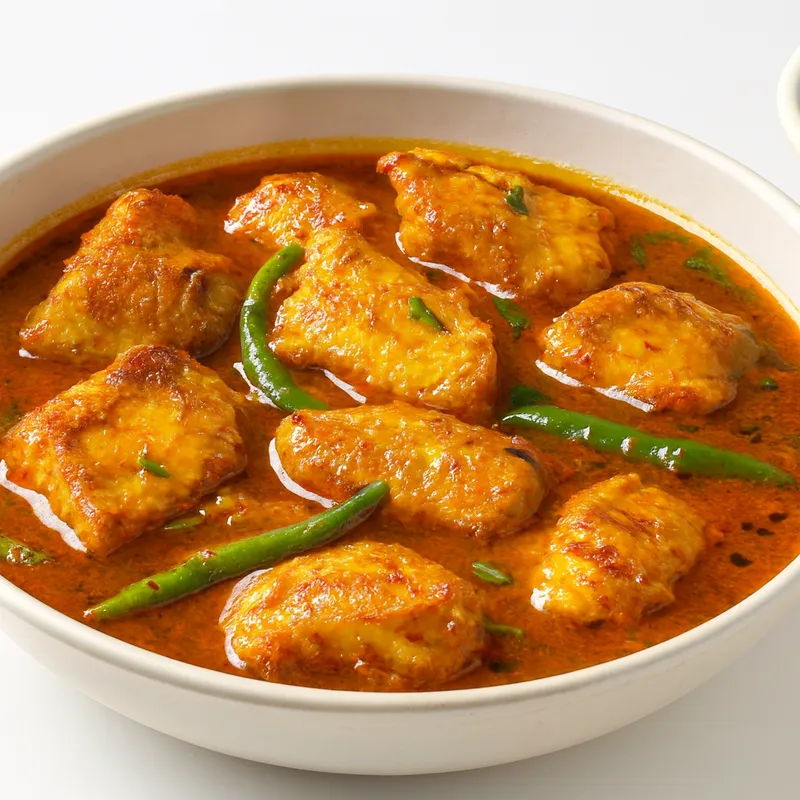
Add the beans and blood sausage to the pot. Simmer the feijoada gently for about 1-2 hours, until the meats are tender and the flavors meld. Stir occasionally and adjust seasoning with salt and black pepper.
Watch outHold it at a gentle simmer, just a few bubbles breaking the surface, until a fork slides easily into the meat and the broth has thickened.
- 45 min
Serve the feijoada hot, garnished with fresh cilantro and accompanied by rice or crusty bread.
Archive tool suggestions — not reviewed
These legacy suggestions have not been evidence-reviewed and are not presented as required tools.