




Pappa al pomodoro is Tuscan, traditionally summer food from Siena and Florence's countryside, designed around two ingredients gardens couldn't avoid: a glut of ripe tomatoes and yesterday's bread. Tomatoes, brought to Europe from the Americas, only became common in Tuscan cooking around the mid-18th century. The dish was popularized nationally by the 1912 illustrated edition of the children's novel Il giornalino di Gian Burrasca by the Florentine writer Vamba (Luigi Bertelli), in which boarding-school boys are delighted to eat it; the image of a riot comes from the later 1965 TV adaptation's song 'Viva la pappa col pomodoro,' which turned the dish into a symbol of popular revolt.
Tuscan summer thrift — stale unsalted Pane Toscano torn into ripe tomato and olive oil. Made famous nationwide by the 1912 children's novel Gian Burrasca, where the schoolboys riot for it.
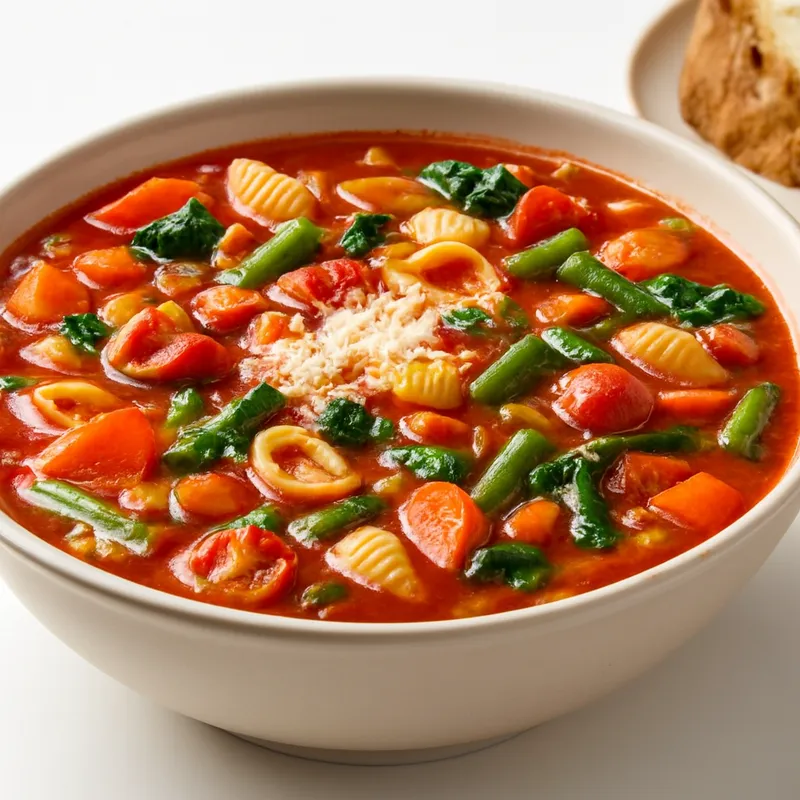
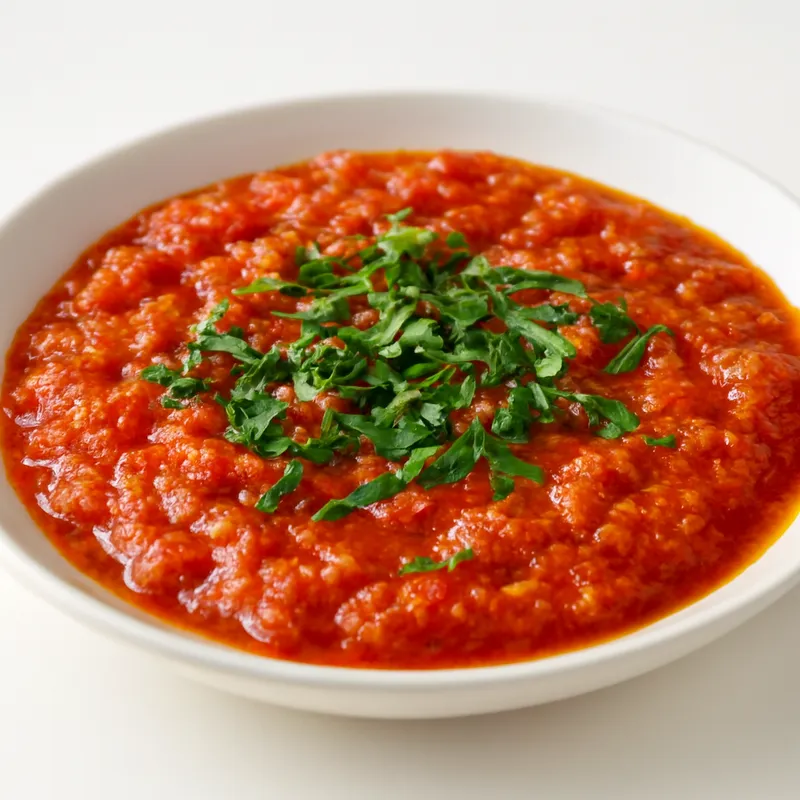
A thick orange-red porridge of tomato and bread, more spoon than slurp. Tuscan bread broken into ripe tomato, garlic, basil, olive oil and a splash of stock, cooked until the bread surrenders. Eaten warm or room temperature. Glossy from oil, not creamy from dairy. Tastes of high-summer tomato. If served piping hot it dulls; this dish needs to settle.
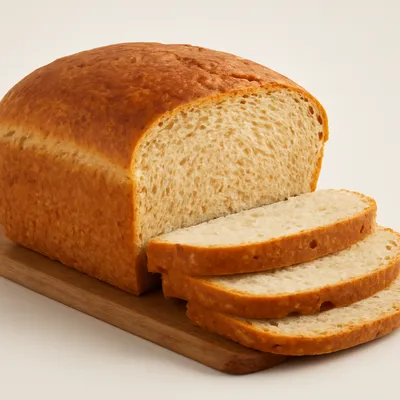
Tomato quality is the ceiling — out of season, use whole San Marzano DOP from the can; mealy fresh winter tomatoes ruin the dish. Bread must be unsalted Tuscan, stale, torn not cubed; cubes hold their edges, torn pieces fray and bind. The olive oil drizzled raw at the end is half the flavor — frying oil only would taste flat.
Variations
Sienese countryside cooks tear the bread coarse and finish raw-oil heavy; Florentine versions add a splash of stock and run smoother; modern Tuscan trattorias plate it room-temperature with a basil-oil drizzle, never piping hot.
On the Palate
Where Pappa al Pomodoro sits in the Italian flavor cloud
Nail the tomato and the bread: use ripe in-season tomatoes (or canned San Marzano out of season) and stale unsalted bread torn into rough pieces so it frays and binds the sauce into a spoonable porridge instead of soup with croutons.
Ingredients


How it's made
5 steps · 25 min
- 15 min
Briefly dip the dry bread in water, just enough to soften it slightly. Squeeze out excess water and tear into walnut-sized pieces.
- 22 min
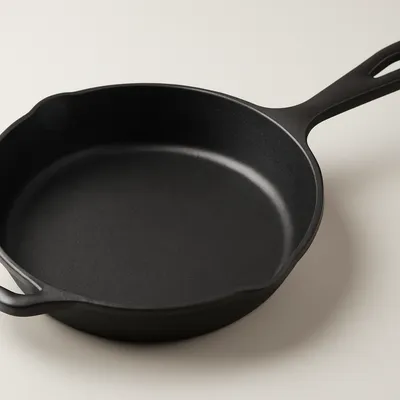
In a large frying pan, heat olive oil over medium heat. Add crushed garlic and sauté until it turns golden and aromatic, about 2 minutes.
Watch outTake the garlic only to pale gold and fragrant; brown it and the whole pot turns bitter.
- 310 min
Pour in the puréed tomato and add a pinch of salt. Stir and bring to a gentle boil, allowing the flavors to meld, about 10 minutes. The sauce should be vibrant and aromatic.
Watch outLet the sauce simmer until it smells sweet and deep, not raw and sharp, before the bread goes in.
- 45 min
Add the bread pieces to the tomato sauce. Stir continuously until the bread absorbs the sauce and turns a consistent red, about 5 minutes.
Watch outStir until the bread drinks up the sauce and everything turns one even red, thick enough to mound on a spoon.
- 53 min
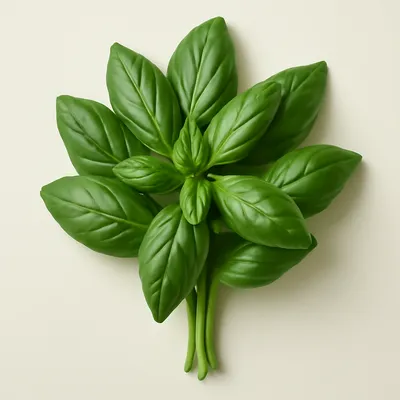
Remove from heat and let the dish rest for a minute. Serve hot, garnished with a drizzle of olive oil, freshly cracked black pepper, and basil leaves.
Archive tool suggestions — not reviewed
These legacy suggestions have not been evidence-reviewed and are not presented as required tools.