Short, curled, hollow pasta from Bologna—named after the couch-grass weed whose seeds the shape evokes—dressed with a rich, slow-simmered fresh pork sausage ragù, either red with tomato passata or white with butter and cream, finished generously with Parmigiano-Reggiano.
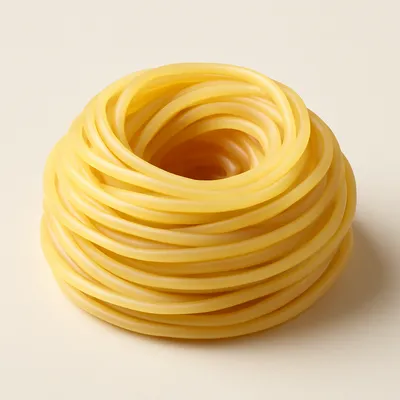
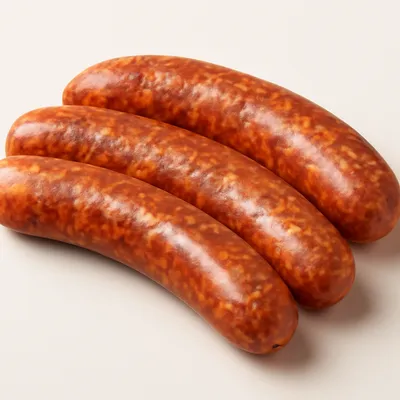


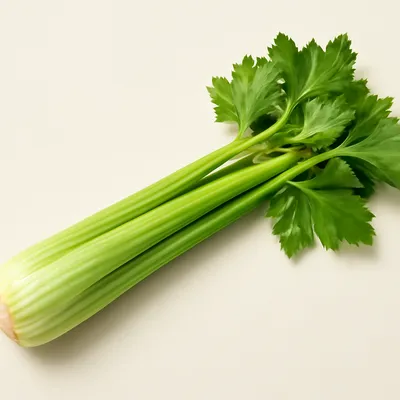

Gramigna originated in Bologna as a fresh egg-pasta format shaped to resemble the seeds of gramigna, the couch-grass weed common in Emilian fields. No founding date or inventor is recorded; it belongs to the same deep Bologna pasta tradition that produced tortellini and tagliatelle. In the 20th century industrial production distributed gramigna nationally as dried pasta, while the canonical alla salsiccia pairing—long-simmered pork-sausage ragù, either red with tomato or white with butter—became the signature preparation of Bolognese and Modenese trattorie.
The short curved tubes trap pockets of sausage ragù inside their hollow bore and coat their porous exterior with fat; each forkful delivers a concentrated burst of pork richness, gentle tomato tang and the sharpness of Parmigiano. The pasta holds its shape without becoming heavy, keeping the mouthful lively.
The hollow extruded tube creates two sauce-catching surfaces—a ridged exterior and the inner bore—maximising adhesion. The sausage ragù's long simmer (~40 minutes at low heat) renders fat from the sausage casing and emulsifies it with the tomato water through sustained agitation; Maillard reactions during initial browning contribute complex savoury compounds. Starchy pasta cooking water, added when tossing, lowers surface tension and helps emulsify the fat-tomato matrix into a glossy, unified coating. The pasta is drained one minute early so residual surface starch creates a tacky film bonding sauce to pasta.
Variations
The 'bianca' (white) version omits tomato, using only butter, a splash of white wine and Parmigiano—simpler and richer. A paglia e fieno version mixes spinach-green and plain yellow gramigna for visual contrast. Gramigna is also used in thick minestrone in place of other short pasta shapes.
On the Palate
Where Gramigna alla salsiccia sits in the Italian flavor cloud
Ingredients
Serves 4


How it's made
7 steps · 15 min
- 18 min
Finely chop the onion, celery and carrot. Melt butter in a heavy-based pan over medium-low heat; add the vegetables and sweat, stirring occasionally, until the onion is soft and translucent, about 8 minutes.
- 28 min
Crumble the fresh pork sausage into the pan, breaking it into small pieces. Cook over medium heat, stirring frequently, until the meat is uniformly browned and the fat has rendered, about 8 minutes.
Watch outBrown the crumbled sausage until evenly colored and the fat has rendered out — this Maillard step is the savory backbone; grey meat gives a flat ragù.
- 33 min
Pour in the red wine; raise the heat and stir until the wine has fully evaporated. Season lightly with salt and black pepper.
- 440 min
Add the tomato passata and a ladleful of warm water. Stir, reduce the heat to the lowest possible simmer, cover and cook for 40 minutes, stirring once or twice. Taste and adjust seasoning.
Watch outSimmer at the lowest possible heat 40 minutes so the fat emulsifies into the tomato — a fast boil splits it into a greasy, thin sauce.
- 515 min
Bring a large pot of generously salted water to a rolling boil. Cook the gramigna for one minute less than the packet directions; reserve a cup of pasta cooking water before draining.
- 63 min
Drain the pasta and transfer directly to the sausage ragù pan over medium heat. Toss vigorously for 1–2 minutes, adding splashes of pasta water to loosen and emulsify the sauce.
Watch outToss the pasta in the pan with splashes of pasta water until the sauce turns glossy and clings — the starchy water is what emulsifies it onto every tube.
- 72 min
Remove from heat; fold in a generous handful of grated Parmigiano-Reggiano. Serve immediately in warm bowls with extra Parmigiano on the side.
Archive tool suggestions — not reviewed
These legacy suggestions have not been evidence-reviewed and are not presented as required tools.



