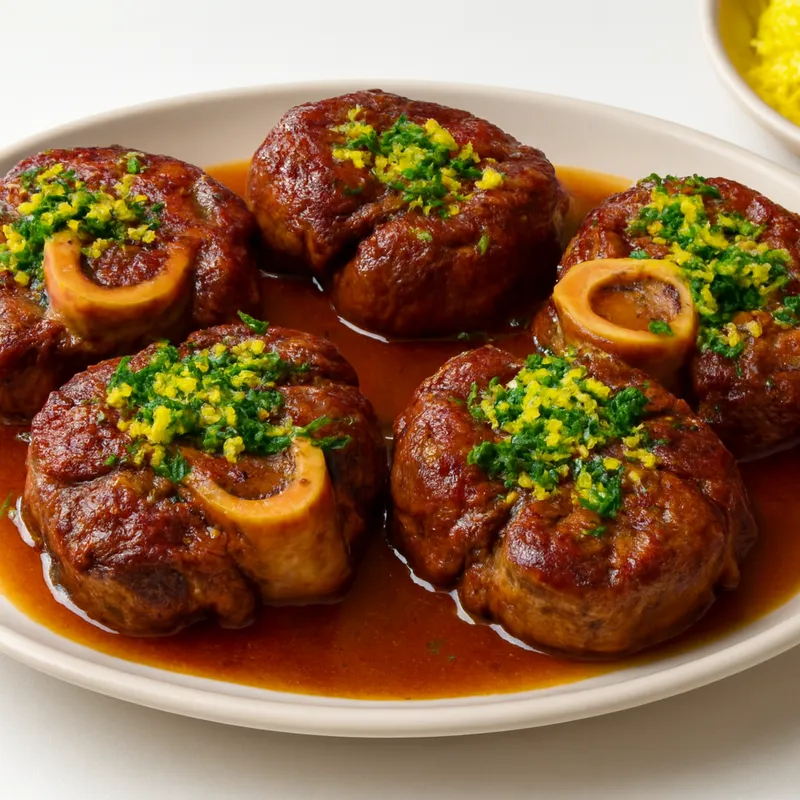
A fishermen's soup of very fresh anchovies simmered briefly in a light tomato and onion sauce and ladled over hard sailor's sea-biscuits (gallette del marinaio) that soften as they absorb the broth. Born aboard the fishing boats of Riva Trigoso on the Riviera di Levante and celebrated each July since 1960 at the beachside Sagra del Bagnun, where it is served free to thousands.
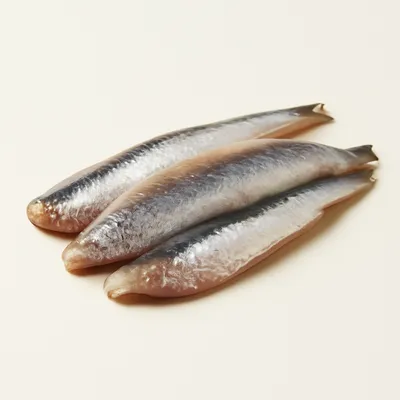




Bagnun di Acciughe was born aboard the fishing boats working out of Riva Trigoso, a small coastal hamlet of Sestri Levante on the Ligurian Riviera di Levante. The name derives from the Ligurian dialect word bagnetta, meaning little sauce, describing the fragrant tomato broth in which anchovies were briefly steeped. Because fresh anchovies were plentiful but economically marginal—too small or abundant to fetch good market prices—the ship's cook combined them with whatever was always aboard: onions, olive oil, tomatoes, and the long-keeping gallette del marinaio, the sailor's unleavened hardtack biscuits. In 1960 the Sagra del Bagnun was founded in Riva Trigoso; held annually on the beach each July, it remains entirely free of charge and serves approximately 5,000 portions prepared by over fifty volunteers using local zero-kilometre ingredients.
Bright and marine-fresh; the anchovies meld almost entirely into the tomatoey broth, leaving clean umami with gentle acidity. The gallette transition from chalky-hard to yielding and brothy, retaining a pleasant starchy backbone that holds the flavour of the fish.
Fresh anchovies contain exceptionally high concentrations of free glutamates and inosinate (IMP); the tomato sauce contributes additional glutamate, producing a pronounced umami synergy when combined. Anchovy proteins fully denature with only 8–10 minutes of gentle heat below 80℃; prolonged cooking disintegrates the flesh and oxidises the delicate polyunsaturated omega-3 fatty acids, which is why freshness and short cooking time are non-negotiable. The gallette del marinaio are dense, very low-moisture unleavened biscuits; submerged in the hot bagnun, capillary action draws the warm broth into the bread's micro-pores, where absorbed liquid triggers starch gelatinization, softening the interior while the outer surface retains slight resilience.
Variations
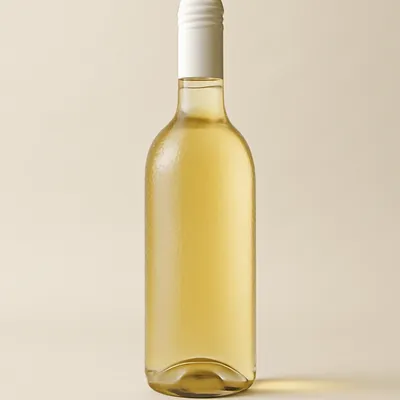
Some recipes add a splash of dry white wine to the tomato base for extra acidity. In Sestri Levante proper, thick slices of toasted bread sometimes replace the gallette. A few versions stir in chopped parsley and fresh basil at the end for added brightness.
On the Palate
Where Bagnun di Acciughe sits in the Italian flavor cloud
Ingredients
Serves 4


How it's made
7 steps · 21 min active + 28 min waiting
- 110 min
Clean the anchovies: remove heads, gut them, and rinse well under cold water; keep the fish whole.
- 28 min
In a wide, shallow pan, gently saute thinly sliced onion and garlic in olive oil over low heat until soft and translucent.
Watch outKeep the heat low and pull the onion off before it colors — you want it soft and sweet, not browned, or it muddies the clean anchovy flavor.
- 315 min
Add crushed tomatoes and a pinch of salt; simmer uncovered for 15 minutes until the sauce thickens slightly.
- 42 min
Pour in the white wine; raise the heat briefly for 2 minutes to evaporate the alcohol.
- 510 min
Lay the cleaned anchovies in the sauce in a single layer; cook gently over the lowest heat for 8–10 minutes without stirring, until just cooked through.
Watch outLay the fish flat and don't stir — they cook through in eight to ten minutes; poke and they fall apart, overcook and they turn dry and fishy.
- 61 min
Place one or two gallette del marinaio in the base of each bowl.
- 73 min
Ladle the bagnun—anchovies and sauce—over the gallette; rest 2 minutes for the biscuits to soften, then serve.
Watch outLet the biscuits sit two minutes in the hot broth so they soften just enough to bite but still hold — serve before they turn to mush.
Archive tool suggestions — not reviewed
These legacy suggestions have not been evidence-reviewed and are not presented as required tools.