
Pasta al tonno is one of Italy's great pantry pastas: spaghetti or a short cut dressed with oil-packed tuna, garlic, chili and good olive oil. The most common version is rossa, with tomato and often capers and olives; an in bianco version skips the tomato for lemon, oil and parsley. It is everyday food across the whole peninsula — the dinner of students, busy households and lean Fridays — built almost entirely from shelf-stable ingredients. By the unwritten Italian rule for seafood pasta, it is served without grated cheese.

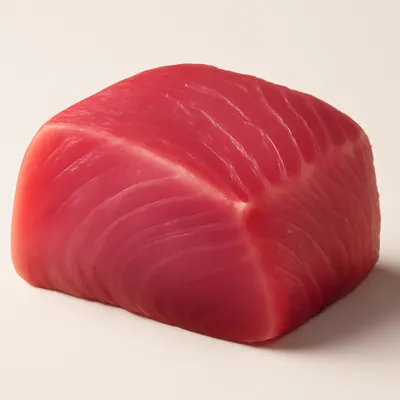


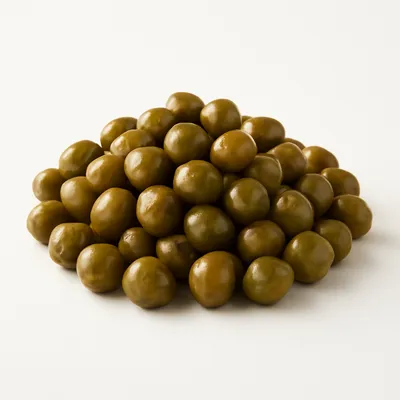

Pasta al tonno is a pan-Italian everyday dish of the cucina povera tradition, with no single inventor and no fixed date of invention. It rose with two cheap, shelf-stable staples meeting in the same kitchen: dried pasta, which spread widely through northern and central Italy in the late 19th and 20th centuries, and canned tuna in oil. The latter grew out of Italy's ancient tonnara fisheries — the trap-net tuna stations of Sicily, Sardinia and the Egadi Islands — once the industry shifted from salting to preserving tuna sott'olio (under oil). That technique was industrialised in Sicily from the mid-19th century, associated with the Florio family's canneries at Favignana, while large cannery investment followed in Sardinia from the early 1900s, notably around Carloforte. Affordable tinned tuna made a satisfying sauce possible without fresh fish, and the dish became a standby for giorni di magro, the meatless days of the Catholic calendar. As a seafood pasta it is traditionally finished without cheese, the dairy held to clash with the fish.
A forkful is savoury and briny before it is anything else: warm flakes of tuna soaked in their own oil, the tomato bright and a little sweet around them, all carried on a low hum of garlic and chili warmth. Capers and olives stab through with sharp salty bursts, parsley keeps it fresh, and the pasta itself drinks up the oily, fishy sauce. The tuna stays in soft, moist flakes rather than dry shreds, and there is no cheese to blunt the clean taste of the sea.
The choice of oil-packed tuna over water-packed is the quiet key. Oil shields the fish's delicate muscle fibres during canning and keeps the flakes moist and full-flavoured, and that packing oil — ideally olive — carries fat-soluble aromas straight into the sauce, where water-packed tuna would taste washed-out and dry. The base is built first: garlic and chili infused into warm oil, then tomato simmered until it loses its raw edge and concentrates. The tuna goes in only at the end, off direct high heat, where the residual warmth of the sauce is enough to heat it through and let it break into soft flakes. Boiled hard, fish protein contracts and squeezes out moisture, turning tuna dry, grainy and stringy; folded in gently, it stays tender. A ladle of starchy pasta water, rich in dissolved amylose, is tossed in at the finish to emulsify the oil and tomato into a sauce that clings to the pasta rather than sliding off. Capers and olives add glutamate-driven, briny umami that deepens the whole dish.
Variations
The great divide is rossa versus in bianco — red with tomato, or white with just oil, lemon, garlic and parsley. Within the red camp, alla puttanesca leanings add anchovy, capers and olives in force, while a southern habit stirs in a spoon of tomato paste for body. Any pasta works: spaghetti and linguine are classic, but penne, fusilli and other short shapes catch the chunky sauce well. Common additions are a handful of pitted black olives, a tin of cannellini beans for a fuller meal, or fresh cherry tomatoes in summer instead of passata. A crucial fix for the in bianco version is a scattering of toasted breadcrumbs in place of cheese, giving the crunch and savour that grated Parmigiano would on a non-seafood pasta.
On the Palate
Where Pasta al Tonno sits in the Italian flavor cloud
Ingredients
Serves 4

How it's made
6 steps · 20 min active + 5 min waiting
- 15 min
Bring a large pot of well-salted water to a boil for the pasta. Drain the tuna lightly, keeping a little of its oil, and break it into coarse chunks. Thinly slice the garlic and roughly chop the parsley and olives.
- 22 min
Warm the olive oil with the sliced garlic and chili flakes in a wide pan over medium-low heat until the garlic turns pale gold and fragrant, about 2 minutes; do not let it brown.
Watch outWarm the garlic in the oil only to pale gold, never brown — browned garlic turns bitter and sours the whole sauce.
- 312 min
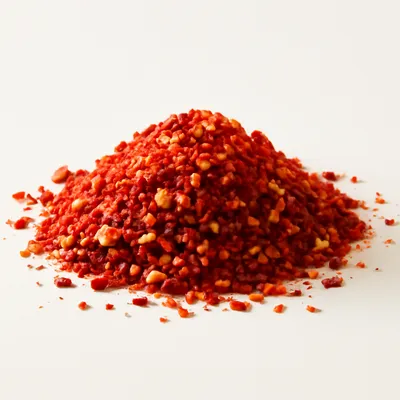
Add the tomatoes, crushing whole ones by hand, along with the capers and olives. Season lightly and simmer for 10-12 minutes, until the sauce thickens and loses its raw, sharp edge.
- 49 min
Meanwhile, cook the pasta until just shy of al dente. Reserve a cup of the starchy cooking water before draining.
Watch outPull the pasta just shy of al dente — it keeps softening as you toss it in the hot sauce, so cook-it-through and it turns mushy.
- 52 min
Lower the heat under the sauce and fold in the tuna with a little of its oil, breaking it gently into flakes; let it warm through for 1-2 minutes off a hard boil so it stays moist.
Watch outFold the tuna in off a hard boil and only warm it 1–2 minutes — high heat dries the delicate flakes out; residual warmth keeps them moist.
- 62 min
Add the drained pasta and a splash of pasta water, then toss vigorously for a minute, adding more water as needed, until the sauce emulsifies and clings. Finish with chopped parsley and a thread of olive oil; serve without cheese.
Archive tool suggestions — not reviewed
These legacy suggestions have not been evidence-reviewed and are not presented as required tools.


