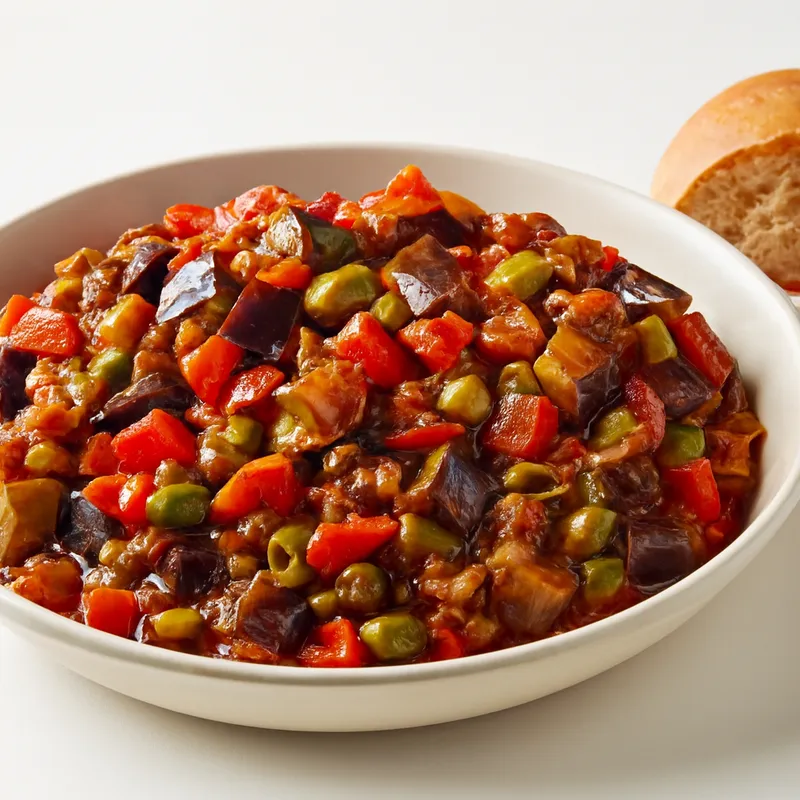
A rustic survival dish of the Sabina highlands (Rieti province, Lazio): rough irregular flour lumps formed by sprinkling droplets of water over flour—named for the wet twigs (frasche) once used to scatter the water—then simmered in broth or a tomato-guanciale soffritto until they reach a soft, polenta-like consistency, finished with aged pecorino.





Frascarelli is a survival staple of the Sabina hill country (modern Rieti province, Lazio), with cognate preparations found across Marche, Umbria, and Abruzzo—suggesting an origin predating modern regional boundaries in the central Apennine highlands. The recipe has been transmitted orally across generations with no written codification. Its name derives from 'frasche' (leafy twigs or branches): the traditional technique involved dipping bunches of twigs in water and shaking them over a flour-covered board, so that each water droplet adhered surrounding flour into an irregular pebble-sized lump. Tradition held that frascarelli was especially nourishing for postpartum women, believed to promote lactation—a reflection of its porridge-like texture and its long association with domestic sustenance.
Lumpy, soft morsels with rough edges soak up savory tomato-guanciale sauce and melt together into something between a hearty pasta and a warming porridge, finished by the sharp, salty punch of grated pecorino.
Sprinkling water droplets onto dry flour creates irregular hydration clusters—each droplet binds surrounding starch granules into a lump of varying size and density. When cooked in liquid above 60–70°C, starch granules absorb water and gelatinize progressively; the irregular shape means outer starch gelatinizes first, releasing amylose into the cooking liquid and gradually thickening it into a creamy matrix. Collagen in guanciale or pancetta hydrolyzes to gelatin during extended simmering above 70°C, adding body and gloss to the sauce.
Variations
A meatless version uses only soffritto vegetables, tomato, and marjoram for lean days. Umbrian cooks sometimes cook frascarelli in pecorino broth without tomato. Mixing durum wheat semolina with soft wheat flour yields a coarser, chewier texture.
On the Palate
Where Frascarelli sits in the Italian flavor cloud
Ingredients
Serves 4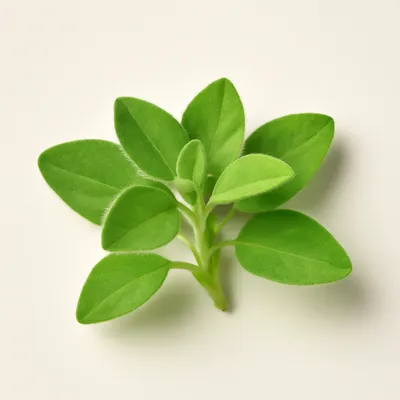

How it's made
7 steps · 20 min
- 15 min
Spread 300g of soft wheat flour in a wide shallow bowl or on a wooden board.
- 220 min
Dip a leafy twig or a pastry brush in cold water; shake droplets evenly over the flour, then work with fingertips to gather each damp cluster into a small lump. Repeat, adding water gradually, until all flour is lumped into irregular pebbles.
Watch outFlick water over the flour and gather each damp patch into a lump — work it gradually so you get irregular pebbles of all sizes; that ragged shape is what thickens the dish creamy.
- 310 min
Sift out any remaining loose flour; spread the lumps on a tray and let rest 10 minutes.
- 415 min
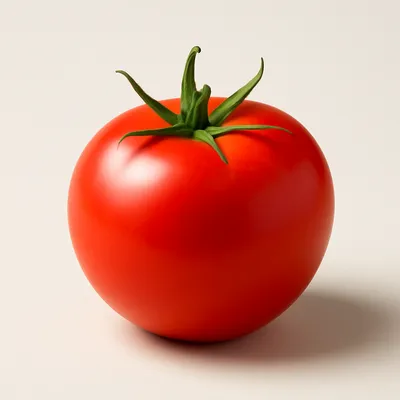
Make the sauce: cook diced guanciale in a dry pan until the fat renders; add chopped onion and garlic in olive oil, soffritto until soft, then add crushed tomatoes and marjoram and simmer 15 minutes.
- 512 min
Bring a pot of salted broth or salted water to a gentle simmer; add frascarelli and stir slowly, cooking 10–12 minutes until they reach a soft, polenta-like consistency.
Watch outSimmer the pebbles ten to twelve minutes to a soft polenta-like consistency — the outer starch dissolves out and thickens the liquid; stop before it goes gluey.
- 63 min
Fold frascarelli into the tomato-guanciale sauce and stir to coat.
- 72 min
Serve immediately, finishing with a generous grating of aged pecorino romano.
Archive tool suggestions — not reviewed
These legacy suggestions have not been evidence-reviewed and are not presented as required tools.